Table of Contents
- ASRV vs Vuori for Athletic Performance: Quick Comparison
- Fabric Technology and Material Composition
- ASRV vs Vuori Durability: Wash Performance and Seam Construction
- Compression, Support, and Range of Motion
- Best Athletic Apparel for High Intensity Training: Workout Modality Matching
- Fit and Sizing for Different Body Types
- Greatness Wins vs Vuori: Performance-First Gear That Lasts
- Frequently Asked Questions
Last Updated: September 13, 2026
ASRV vs Vuori for Athletic Performance: Quick Comparison
The global athleisure market is projected to reach $459.8 billion in 2026, according to Grand View Research athleisure market report, yet most buyers still can't tell which premium brand actually supports athletic performance versus which one just looks the part. ASRV and Vuori sit on opposite ends of that spectrum. This guide from Greatness Wins breaks down fabric technology, durability, compression, and fit so you can match gear to your training instead of your Instagram feed.
ASRV is a technical sportswear brand built around high-intensity training, compression, and structural durability. Vuori is a lifestyle-performance brand built around soft hand feel, coastal aesthetics, and everyday versatility. Both cost real money. Only one is engineered for the gym.
| Feature | ASRV | Vuori | Winner |
|---|---|---|---|
| Primary focus | Technical training gear | Lifestyle athleisure | ASRV |
| Fabric weight | Heavier, structured | Lightweight, soft | Depends on use |
| Compression | Moderate to high | Minimal | ASRV |
| Hand feel | Functional, dry | Ultra-soft | Vuori |
| Best for | Lifting, HIIT, sprinting | Yoga, recovery, daily wear | Split |
Below, we'll show you exactly where each brand wins, where it falls short, and how to decide before you spend.
Fabric Technology and Material Composition
Fabric is where these two brands stop being comparable. They are solving different problems with different fibers, and once you see the construction, the rest of the comparison falls into place.
ASRV: structure-first knits. ASRV's training tops and shorts lean on nylon-spandex and polyester-spandex blends, typically in the 180-260 gsm range for training pieces (grandviewresearch.com). The higher nylon content is the point: nylon has higher tensile strength and better abrasion resistance than polyester, which is why it shows up in gear meant to survive barbell knurling, sled pushes, and repeated floor contact. The knits are usually interlock or double-knit rather than single jersey, which gives the fabric a two-sided structure, a smoother face and a slightly textured back that manages sweat without a brushed finish that would mat down under load. Spandex content generally runs in the 12-20% band on compression pieces, which is what produces the snap-back recovery after a squat or a sprint (textileschool.com).
The trade-off is real. Higher nylon and higher spandex mean a denser, drier hand feel. The fabric doesn't drape; it holds a shape. Some athletes describe the first wear as "boardy" until it breaks in over a few wash cycles.
Vuori: hand-feel-first knits. Vuori's signature DreamKnit and similar fabrics are built around polyester-spandex and modal or cotton-blend bases with a brushed interior. Polyester is cheaper, dyes vividly, and takes a soft finish well, which is exactly why it dominates lifestyle athleisure. The brushed back creates that plush, broken-in feel out of the bag. Spandex content tends to sit lower, often in the 8-14% range on lifestyle pieces, because the goal is four-way stretch for comfort, not compression for support.
The trade-off runs the other direction. Brushed polyester pills. Lower spandex means less recovery, so a waistband or a knee panel that stretches under load stays stretched. And modal and cotton blends hold moisture rather than moving it, which is fine for a yoga class and miserable for a hot-weather interval session.
What to check on the tag. Three numbers tell you most of what you need:
- Fabric weight (gsm). Under 150 gsm is a lifestyle weight. 180-260 gsm is a training weight. Above 260 gsm is usually outerwear or heavy fleece.
- Spandex percentage. Under 10% is comfort stretch. 12-20% is performance compression. Above 20% starts to feel restrictive for anything but dedicated compression garments.
- Knit type. Single jersey is light and drapey. Interlock and double-knit hold shape and resist abrasion.
Moisture management, briefly. Neither brand uses a magic coating. Wicking comes from fiber geometry and capillary action: polyester and nylon filaments are extruded with channels or shaped cross-sections that pull liquid along the fiber surface and spread it across a wider area to evaporate faster. That's why a technical knit dries in minutes and a cotton blend stays damp. Anti-odor treatments are usually silver-ion or zinc-based finishes applied to the yarn, and they fade with washing, which is the honest reason "anti-odor" gear stops working after a season.
The bottom line on fabric. If your training involves load, friction, or repeated stretch under tension, the nylon-heavy, higher-spandex construction is doing measurable work. If your training is low-impact and your priority is how the garment feels against skin for eight hours, the brushed polyester build wins. Neither is a scam. They're just engineered for different failure modes.
ASRV vs Vuori Durability: Wash Performance and Seam Construction
Most comparisons stop at "it holds up well." That's useless. Durability is a set of specific failure modes, and you can predict which one you'll hit before you spend a dollar.
The four ways athletic apparel actually dies.
- Elastane fatigue. Spandex fibers break down from heat, chlorine, and mechanical agitation. The garment doesn't tear, it just stops recovering. Waistbands go slack, knees bag out, compression turns into a loose fit.
- Pilling and abrasion. Short fibers work loose from the yarn and ball up on the surface. Brushed interiors are the most vulnerable because the brushing process raises fibers deliberately.
- Seam failure. Flatlock seams (the interlocked, low-profile stitch used on technical gear) distribute stress across the stitch line. Standard overlock seams concentrate stress at the needle holes and fail first under load.
- Color fade and print cracking. Dye retention depends on fiber type and dye method. Solution-dyed and piece-dyed synthetics hold color far better than surface-printed or garment-dyed pieces.
How each brand maps to those failure modes.
ASRV's construction is aimed squarely at failure modes 2 and 3. Heavier interlock knits resist abrasion because there's more fiber mass to sacrifice before the fabric thins. Flatlock seam construction spreads load across the stitch rather than concentrating it. Higher spandex content means the elastane has more reserve, it can lose some recovery and still function. The realistic weak point is heat: dry ASRV on high and you'll accelerate elastane fatigue just like any other technical garment.
Vuori's construction is optimized for hand feel, which makes it more exposed to failure modes 1 and 2. Brushed polyester interiors pill faster than smooth interlock because the raised fibers are the first thing to abrade. Lower spandex content means less reserve, once recovery drops, the fit changes visibly. This is not a defect; it's the direct cost of the softness that makes the brand appealing. Vuori's own positioning treats the gear as comfort and versatility wear, not high-intensity punishment, as noted in Greatness Wins' Vuori alternatives analysis.
What 50+ wash cycles actually look like.
A common pattern reported by long-term wearers of both brands, and consistent with the fiber mechanics above:
- ASRV training pieces: shape retention holds through roughly 50-75 home wash cycles when washed cold and air-dried. Expect some softening of the hand feel and slight color dulling on darker dyes. Seams typically outlast the fabric.
- Vuori lifestyle pieces: the plush hand feel is noticeably reduced by around 30-40 washes, and pilling appears first at high-friction zones, underarm, waistband, inner thigh. Color holds well because polyester dyes deeply. Seams are rarely the failure point; the fabric surface is.
- Both brands: heat is the single biggest accelerant. Hot water plus high-heat drying can cut the useful life of either garment roughly in half.
The wash protocol that actually extends life.
- Cold water, gentle cycle, and half the normal detergent dose. Residual detergent attracts oils and holds odor.
- No fabric softener. It coats the fibers and blocks the wicking channels that make technical fabric work.
- Air-dry whenever possible. If you must machine dry, low heat and remove while slightly damp.
- Wash technical pieces inside-out and separate from cotton towels, which shed lint that clogs knit surfaces.
- Skip chlorine bleach entirely on any garment with spandex.
The honest verdict. If you're buying for a training rotation that gets washed twice a week for two years, ASRV's construction gives you more margin. If you're buying for comfort wear that gets washed once a week and never touches a barbell, Vuori's durability is entirely adequate for how it's used. The mistake is buying a lifestyle garment and expecting training-garment longevity, or paying training-garment prices for a piece you'll only wear to coffee.
Compression, Support, and Range of Motion
ASRV delivers moderate to high compression with an ergonomic fit that supports range of motion under load. Squat, press, sprint: the fabric stays put.
Vuori is the opposite. Its relaxed fit profile and soft fabrics prioritize freedom over support. For yoga, walking, or recovery days, that's ideal. For Olympic lifts or plyometrics, you'll want more structure.
| Use Case | ASRV | Vuori |
|---|---|---|
| Heavy lifting | Strong support | Limited |
| HIIT and sprinting | High compression | Minimal |
| Yoga and mobility | Adequate | Excellent |
| Recovery wear | Functional | Superior comfort |
Best Athletic Apparel for High Intensity Training: Workout Modality Matching
The best athletic apparel for high intensity training depends on your modality, not your budget. Match the garment to the movement pattern.
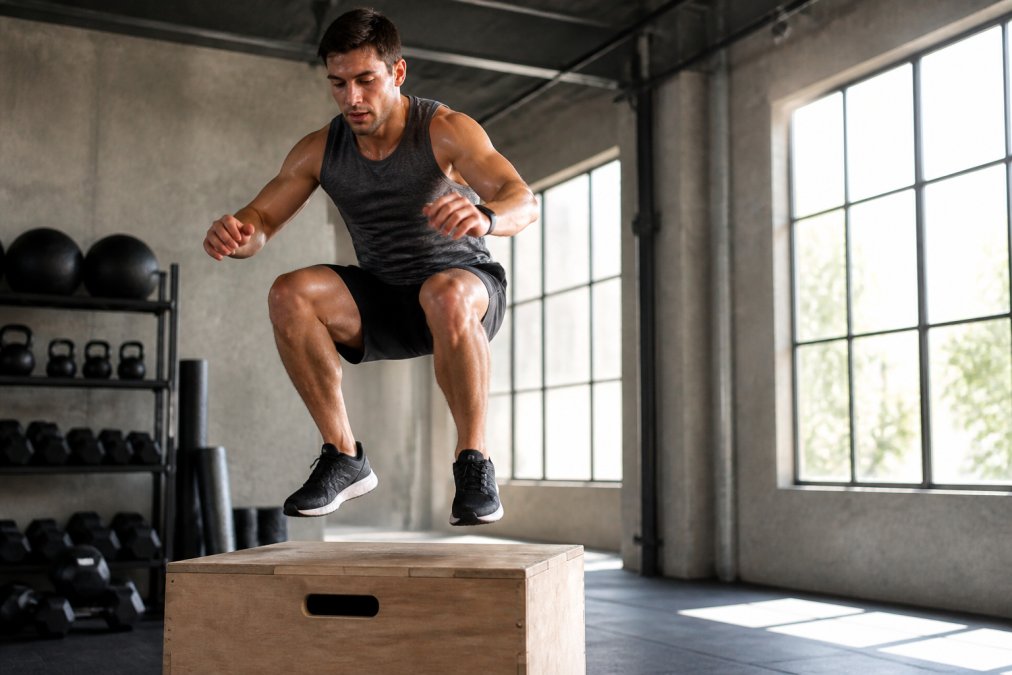
- Lifting and CrossFit: Prioritize heavier fabric weight, flatlock seams, and moderate compression. ASRV fits here.
- Sprinting and cycling: Look for moisture-wicking liners and anti-odor technology. Greatness Wins' Core Tech Training Short ($69) pairs a Coolmax liner with a 2-in-1 build made from recycled plastic bottles.
- Hot-weather runs: Featherweight breathability matters more than compression. The Performance Training Tank ($45) is built for exactly that.
- Gym-to-street transition: You want minimalist design that reads as everyday wear. This is Vuori's home turf.
Fit and Sizing for Different Body Types
Sizing consistency is where premium brands quietly fail. ASRV runs true to athletic sizing with a tapered fit profile that suits lean and muscular builds. Vuori runs slightly relaxed and forgiving, which helps broader body types but can feel loose on smaller frames.

For athletes between sizes, size up in compression gear and stay true to size in lifestyle pieces. If you've been burned by inconsistent sizing before, Greatness Wins offers free returns within the U.S. and free shipping on orders $100+, so you can test fit without risk.
Greatness Wins vs Vuori: Performance-First Gear That Lasts
Greatness Wins sits closer to ASRV's technical philosophy than Vuori's lifestyle positioning, but with a wider range built for consistent sizing and durability across training and golf. The Core Tech Tee ($55) uses an ultra-soft double-brush hand feel with the durability to survive repeated washes. The Core Tech Jogger ($105) handles low to high impact without losing shape.

For golfers and lifters who want gear that performs across modalities, the Performance Training Short ($74) adds laser-cut perforation for ventilation without sacrificing structure. Where Vuori optimizes for feel and ASRV optimizes for grit, Greatness Wins optimizes for the athlete who does both.

Frequently Asked Questions
Does ASRV or Vuori offer better moisture-wicking technology?
ASRV uses synthetic blends engineered for sweat management and high-intensity training, while Vuori prioritizes soft hand feel and breathability for low-impact movement. If you sweat heavily during lifting or sprints, ASRV's fabrics move moisture faster. For daily wear or yoga, Vuori's lighter fabrics feel cooler. Greatness Wins splits the difference with Coolmax liners in its $69 Core Tech Training Short and $74 Performance Training Short, both made from recycled plastic bottles and built for intense sweat sessions.
Which brand is better suited for heavy lifting versus yoga?
ASRV's compression and durable seam construction handle heavy lifting and CrossFit-style sessions well. Vuori's four-way stretch and minimalist design suit yoga, walking, and recovery wear. If your training philosophy mixes both, you need gear that transitions. The Greatness Wins Core Tech Tee at $55 uses a double-brush fabric that moves from barbell work to a cool-down without clinging or losing shape, and the $105 Core Tech Jogger covers low to high impact sports in one piece.
How does Greatness Wins sizing compare to Vuori and ASRV?
Greatness Wins builds every piece around a consistent fit profile, so a medium in the Core Tech Tee fits the same as a medium in the Performance Training Tank. If sizing misses, free returns within the U.S. and free shipping on orders over $100 make exchanges simple. That consistency matters when you are spending $45 to $105 per piece.
Are there premium alternatives to ASRV and Vuori for durability?
Yes. ASRV holds up well but costs more, and Vuori's softer fabrics show wear sooner under heavy use. Greatness Wins focuses on durability with double-brush fabrics, Coolmax liners, and reinforced seam construction. The Core Tech Training Short at $69 and Core Tech Jogger at $105 are made from recycled plastic bottles and tested for repeated wash cycles. For athletes who train four or more times per week, that construction extends the life of each piece.
What is the best athletic apparel for high intensity training in 2026?
For high intensity training, look for moisture-wicking fabrics, four-way stretch, and compression that supports without restricting range of motion. ASRV delivers on compression but runs expensive. Vuori leans toward comfort over training demands. Greatness Wins builds performance-driven gear with Coolmax liners and laser-cut perforation, like the $74 Performance Training Short. The global athleisure market is projected to reach $459.8 billion in 2026, per Grand View Research, and technical apparel is driving much of that growth.
Premium athletic apparel only pays off when the gear matches your training. If you're tired of replacing soft leggings that roll down or tees that lose shape after ten washes, Greatness Wins builds performance-first apparel with consistent sizing, moisture-wicking fabrics, and free returns within the U.S. Get started with Greatness Wins and train in gear designed to help you reach your personal best.