Table of Contents
- Why Extending the Life of Workout Clothes Matters
- How to Wash Workout Clothes Correctly
- How to Remove Odor from Workout Clothes
- How to Dry Workout Clothes to Prevent Damage
- Care Instructions by Fabric Type
- How Long Do Workout Clothes Last with Proper Care
- Refresh Between Wears and Rotate Your Gear
- When to Repair, Replace, or Retire Your Gear
- Frequently Asked Questions
Last Updated: October 21, 2026
Why Extending the Life of Workout Clothes Matters
Your athletic gear takes a beating. Every sweat session, every wash cycle, every tumble in the dryer chips away at the fabrics that keep you dry and moving freely.
Extending the life of workout clothes isn't just about saving money, though that matters. Research shows that extending clothing lifespan by nine months could reduce carbon, water, and waste footprints by up to 20%.
At Greatness Wins, we design athletic gear built to perform through hundreds of workouts. But even the best-made apparel needs proper care to reach its full potential.

This guide walks you through the exact steps we recommend to extend the life of your workout clothes. You'll learn how to wash, dry, and care for your gear so it maintains its shape, moisture-wicking performance, and durability through years of training.
How to Wash Workout Clothes Correctly
The washing machine is where most damage happens. High heat, harsh detergents, and aggressive cycles break down synthetic fibers and elastic. The good news: small changes to your laundry routine make a massive difference.
Wash Inside Out and Use Cold Water
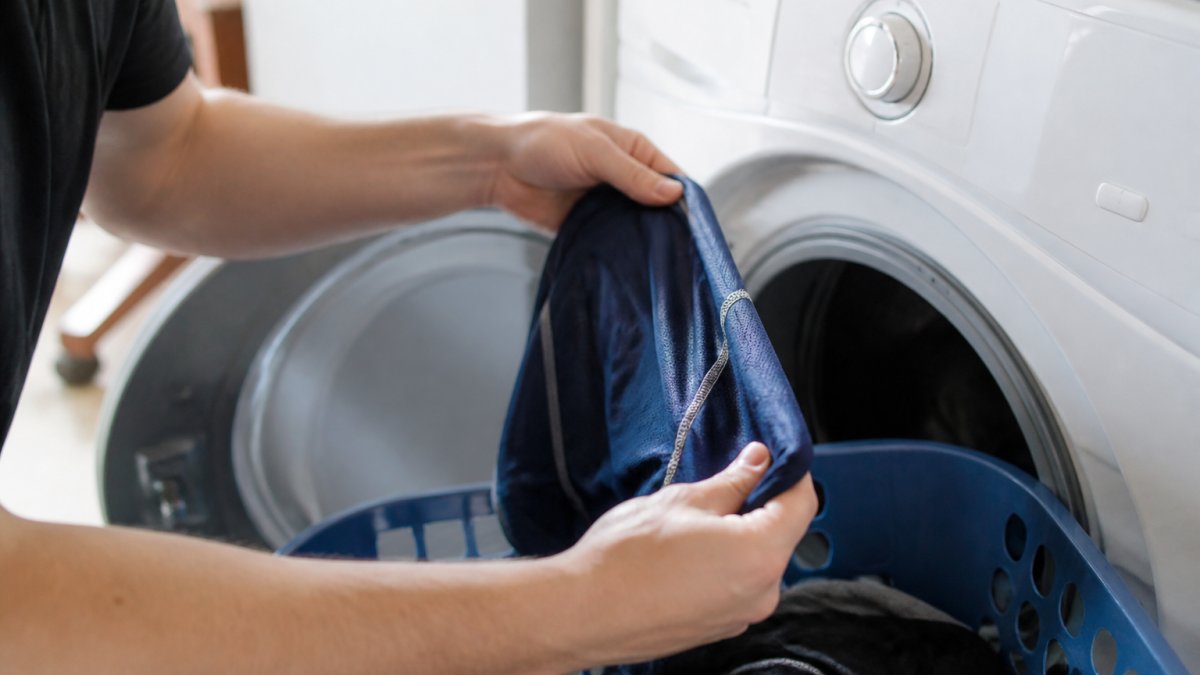
Turn your workout clothes inside out before washing. This simple step protects the outer surface where logos, color, and fabric texture live. The inside of the garment, where sweat and bacteria accumulate, faces the water and detergent directly.
Cold water is non-negotiable. Hot water breaks down elastic fibers and causes colors to fade faster. Cold water cleans just as effectively for athletic wear because sweat isn't greasy like cooking oil. Set your machine to cold water every single time.
Here's the practical difference: gear washed in hot water shows visible fading after 20-30 washes. Cold-water gear stays vibrant for 50+ washes. The elastic in waistbands and arm holes lasts noticeably longer too.
Choose Gentle Cycle and the Right Detergent Amount
Use the gentle or delicate cycle on your washing machine. This cycle uses less agitation, which means less stress on seams and elastic. Your clothes still get clean, the cycle just treats them more carefully.
Detergent amount matters more than most people think. Too much detergent leaves residue on your clothes. That residue traps odor, reduces moisture-wicking performance, and builds up over time. Use half the amount the bottle recommends.
Look for detergents made for athletic wear. These formulas are designed to clean without damaging synthetic fabrics. Avoid regular laundry detergent, which often contains additives that break down performance fabrics.
Skip Fabric Softener and Bleach
Fabric softener coats your clothes in a waxy layer. That layer sounds nice, it makes things feel soft, but it destroys moisture-wicking. Your gear stops pulling sweat away from your skin. Skip it completely.
Bleach is equally damaging. It breaks down synthetic fibers and causes permanent discoloration. Even a small amount weakens the fabric structure. Never use it on athletic wear.
How to Remove Odor from Workout Clothes
Sweat smell that won't go away usually means bacteria and sweat residue have built up in the fibers. Standard washing doesn't always remove this buildup, especially in high-sweat areas like underarms and the back.
Pre-Treat Sweat Buildup Before Washing
Soak your smelly gear in cold water for 30 minutes before washing. This loosens dried sweat and gives water time to penetrate the fibers. For stubborn buildup, soak for several hours or overnight.
Add a small amount of white vinegar to the soak water. Vinegar cuts through sweat residue without damaging fabrics. Use about one cup of vinegar per gallon of water.
After soaking, wash normally using cold water and gentle cycle. The pre-treatment does most of the work. Your regular wash just rinses away what the soak loosened.
Use Vinegar or Baking Soda for Persistent Odor
For odors that survive standard washing, add white vinegar directly to the rinse cycle. Pour half a cup into the rinse compartment. Vinegar neutralizes odor-causing bacteria without leaving a smell once clothes dry.
Baking soda works similarly. Add half a cup to your wash cycle along with your regular detergent. It absorbs odor and helps detergent work more effectively. Many athletes use both vinegar and baking soda together for stubborn cases.
Don't use both vinegar and baking soda in the same wash, they neutralize each other. Choose one per load.
How to Dry Workout Clothes to Prevent Damage
The dryer is the second biggest threat to your athletic gear. Heat shrinks synthetic fibers, weakens elastic, and causes fading. Air-drying takes longer but preserves your clothes far better.
Air-Dry Flat or on a Rack
Lay your wet clothes flat on a clean surface or on a drying rack. Flat drying prevents stretching and distortion. Hanging wet clothes pulls them out of shape, especially heavier pieces like shorts or compression wear.

Place clothes in a well-ventilated area with indirect sunlight. Direct sun can fade colors, so avoid windowsills on sunny days. A basement, laundry room, or shaded porch works well.
Flat drying takes 8-24 hours depending on humidity and air flow. It's slower than the dryer, but your clothes stay in better shape. Most gear dries completely overnight with decent ventilation.
Avoid the Tumble Dryer and Heat
Never use the dryer on athletic wear. Even low heat damages synthetic fibers over time. The constant tumbling also stresses seams and elastic.
If you must use a dryer, use the air-dry setting with no heat. This removes moisture without damaging fabric. But flat air-drying is still better.
Heat damage is cumulative. Each dryer cycle weakens fibers slightly. After 50-100 dryer cycles, elastic loses its stretch and seams start to fail. Air-dried gear lasts 2-3 times longer.
Care Instructions by Fabric Type
Different fabrics need slightly different care. Understanding your garment's material helps you protect it properly.
Moisture-Wicking Synthetics
Most modern athletic wear uses synthetic blends: polyester, nylon, spandex, or proprietary moisture-wicking fabrics. These fabrics are durable but sensitive to heat and harsh chemicals.
Wash synthetics in cold water on gentle cycle. Use minimal detergent. Skip fabric softener and bleach entirely. These fabrics are designed to shed moisture, so they don't need softening.
Air-dry flat or on a rack. Never use the dryer. Synthetics shrink easily with heat, and you'll notice fit changes after just a few dryer cycles.
The Greatness Wins Core Tech Tee and Core Tech Training Short use advanced synthetic blends designed for durability. These pieces benefit most from gentle washing and air-drying, that's how you keep them performing like new for years.

Natural Fibers and Wool Blends
Wool blends and natural fibers like merino wool are tougher than many people think. Wool actually resists odor naturally, so it needs less frequent washing. You can wear wool gear 5-10 times before washing it.
When you do wash wool, use cold water and a gentle cycle. Use a detergent made for wool or delicates. Regular detergent can damage wool fibers.
Wool shrinks in hot water, so cold is essential. Air-dry flat. Never put wool in the dryer. Wool also benefits from occasional airing out in fresh air instead of washing, this refreshes the fabric and kills odor-causing bacteria without water.
How Long Do Workout Clothes Last with Proper Care
Quality athletic wear typically lasts 2-3 years with standard care. With proper washing, drying, and storage, many pieces last 4-5 years or longer.
The lifespan depends on wear frequency, fabric type, and care consistency. Gear worn 5 days a week wears out faster than gear worn 2 days a week. But even heavily used gear lasts significantly longer when cared for properly.
Synthetic blends often outlast natural fibers if cared for correctly. The elastic in synthetics can stretch permanently over time, but the fabric itself resists wear. Wool is durable but shrinks if exposed to heat.
Most people replace gear when elastic loses stretch, colors fade noticeably, or seams start to fail. These changes happen slowly with proper care and quickly without it.
Refresh Between Wears and Rotate Your Gear
You don't need to wash your workout clothes after every single wear. Refreshing gear between wears extends the time between washes and reduces overall wear.
Hang your gear in a well-ventilated area after workouts. Fresh air kills many odor-causing bacteria naturally. Leave it hanging for several hours or overnight before putting it away. This simple step reduces the need for frequent washing.
Rotate your gear if you work out regularly. If you have three sets of workout clothes and rotate through them, each piece gets washed less often. Less washing means longer lifespan. This is especially important for expensive pieces like the Baselayer Muscle Tank or Baselayer Short from Greatness Wins.
Store clean, dry gear in a cool, dry place. Humidity and heat in storage speed up fabric degradation. A drawer or closet with good air flow works well. Avoid plastic bins, which trap moisture.
When to Repair, Replace, or Retire Your Gear
Not every problem means your gear is done. Many issues can be fixed, helping you extend the life of workout clothes even further.
Loose seams can be re-sewn. Small holes can be patched. Faded colors won't improve, but they don't affect performance.
Replace gear when seams start failing repeatedly, elastic no longer holds anything in place, or fabric tears in multiple places. These problems indicate the garment has reached the end of its useful life.
Retire gear when it no longer fits your needs, even if it's still functional. Performance changes as fabric ages. Moisture-wicking decreases slightly over time.
Consider donating or recycling gear you're retiring. Athletic wear in good condition can be worn by someone else. Some retailers and recycling programs accept worn athletic gear for proper disposal.
Research from the Design Research Society on extending clothing lifetimes shows that repair and repurposing behavior extends garment life significantly.
Extending the life of workout clothes comes down to treating your gear with the same care you give your training. These simple changes mean your investment in quality athletic wear pays off for years instead of months. When you're ready to refresh your rotation with performance-focused gear built to last, Greatness Wins offers premium athletic apparel designed for durability and performance with free returns within the U.S. so you can find pieces that fit your training perfectly.
Frequently Asked Questions
How do you wash workout clothes to make them last longer?
Wash inside out in cold water on a gentle cycle with half the recommended detergent amount. Avoid fabric softener and bleach, which damage elastic and moisture-wicking fibers. Air-dry flat or on a rack instead of using a dryer. According to WRAP research, extending garment lifespan by nine months through proper care can reduce carbon, water, and waste footprints by up to 20%.
Should you wash workout clothes after every workout?
Not always. Refresh lightly-worn gear between washes by airing it out in a well-ventilated space for 24 hours. Wash after heavy sweat sessions or visible dirt. Rotating between multiple pieces reduces wash frequency, extending the life of each garment and preserving elastic retention and color. This also cuts water and energy use.
How do you get sweat odor out of activewear?
Pre-treat sweat buildup by soaking the garment in a solution of one part white vinegar or baking soda to four parts water for 30 minutes before washing. Machine wash on gentle cycle in cold water. Vinegar and baking soda neutralize odor-causing bacteria without damaging moisture-wicking fabrics. Air-dry completely to prevent odor from returning.
Can fabric softener damage workout clothes?
Yes. Fabric softener coats fibers and clogs the moisture-wicking channels that keep you dry during training. It also breaks down elastic over time, causing stretching and loss of shape. Skip softener entirely and use only the recommended amount of regular detergent. Your gear will maintain its performance and durability longer.