Table of Contents
- What Technical Athletic Fabrics Are and Why They Matter
- Types of Athletic Fabrics: Synthetic, Natural, and Blended Options
- Polyester vs. Nylon for Activewear: Which Performs Better
- Moisture-Wicking Fabric: How Sweat Management Works
- Key Performance Features to Evaluate Before You Buy
- How to Wash High-Performance Apparel to Preserve Fabric Quality
- A Beginner's Decision Framework: Choosing Fabric by Activity and Climate
- Common Mistakes Beginners Make When Selecting Technical Fabrics
- Frequently Asked Questions
Last Updated: October 12, 2026
What Technical Athletic Fabrics Are and Why They Matter
Technical athletic fabrics are engineered to manage moisture, stretch with your body, and hold up through hundreds of washes. Unlike cotton, they combine synthetic fibers, natural materials, or blends to solve specific problems athletes face.
At Greatness Wins, we focus on performance apparel because quality fabric keeps you dry, moves with you, and lasts through seasons of use.
Why does this matter? Most beginners buy activewear based on price or looks. Then they're frustrated when it falls apart, loses its stretch, or traps sweat. Technical fabrics solve these problems by design. According to recent developments in materials and manufacturing techniques, investment in research and development has driven advances in fiber technology, fabric construction, and finishing treatments that now extend beyond sports into medical textiles and everyday wear.
The key is understanding what makes these fabrics different and how to pick the right one for your activity.
Types of Athletic Fabrics: Synthetic, Natural, and Blended Options
Athletic fabrics fall into three categories, each with distinct trade-offs.
Synthetic fibers dominate performance wear because they excel at moisture management and durability. They dry fast, stretch well, and resist wear.
Natural fibers like cotton and merino wool bring breathability and comfort, but they absorb moisture rather than wick it and wear out faster under intense training.
Blended fabrics combine both: a polyester-spandex blend gives moisture-wicking plus stretch, while a merino-synthetic mix delivers comfort with performance. They're often the smartest choice for beginners. Prioritizing these durable combinations also simplifies the process of identifying sustainable fabrics when you evaluate the environmental impact of your activewear wardrobe.
Polyester and Nylon: The Performance Standards
Polyester is the workhorse of technical athletic fabrics: affordable, durable, and excellent at moving sweat away from your skin.
Nylon offers similar moisture-wicking with extra durability, a smoother feel, and better shape retention. It costs slightly more and suits garments facing heavy friction or frequent washing.
For most beginners, either works well, pick based on activity intensity and budget.
| Fabric | Moisture-Wicking | Durability | Cost | Best For |
|---|---|---|---|---|
| Polyester | Excellent | Very Good | $ | Daily training, high heat |
| Nylon | Excellent | Excellent | $$ | Heavy use, frequent washing |
| Cotton Blend | Good | Fair | $ | Casual wear, comfort priority |
| Merino Blend | Good | Good | $$$ | Temperature regulation, odor control |
Natural Fibers and Sustainable Alternatives
Merino wool is the premium natural option, regulating temperature and resisting odor, but it costs more and dries slower than synthetics.
Cotton is comfortable but absorbs sweat instead of wicking it, so it struggles during intense workouts and dries slowly.
Recycled polyester and nylon perform identically to virgin synthetics while reducing environmental impact. The Core Tech Training Short from Greatness Wins uses recycled materials with the same moisture-wicking and durability as standard synthetics.

Bamboo fabric is trendy but inconsistent, so read reviews before committing.
Polyester vs. Nylon for Activewear: Which Performs Better
These two types of athletic fabrics dominate the market. Both wick moisture and stretch, but they're built differently.
Polyester dries faster, costs less, and is the standard for high-heat activities like running or CrossFit.
Nylon feels smoother, resists pilling longer, and holds color better through repeated washing, ideal for rough conditions or gear that rubs against equipment.
For most beginners, polyester is the smarter start: cheaper, high-performing, and a way to test synthetics before investing in premium nylon. The Performance Training Tank from Greatness Wins uses featherweight polyester for intense workouts and hot-day runs, delivering breathability without sacrificing durability.

Moisture-Wicking Fabric: How Sweat Management Works
Moisture-wicking fabric moves sweat to the outer surface where it evaporates, keeping you dry and preventing chafing. It's the most important performance feature in athletic wear.
Synthetic fibers like polyester and nylon are hydrophobic, repelling water, which is what makes them wick. Cotton and natural fibers are hydrophilic, absorbing water and staying wet and heavy during intense activity.
Construction matters as much as fiber: loose weaves allow more air circulation and faster evaporation, tight weaves trap heat but add compression. Most performance fabrics balance both.
According to a fabric-selection guide from Fabriclore, moisture-wicking, stretch, durability, and sustainability are core considerations in activewear fabric selection. The guide emphasizes that moisture management is foundational to performance across all activity levels.
Blended fabrics often outperform pure synthetics by combining moisture-wicking with breathability. An 88% polyester-12% spandex blend gives fast sweat removal plus free movement.
Key Performance Features to Evaluate Before You Buy
Before buying any technical athletic fabric, test three properties: stretch, opacity, and durability.
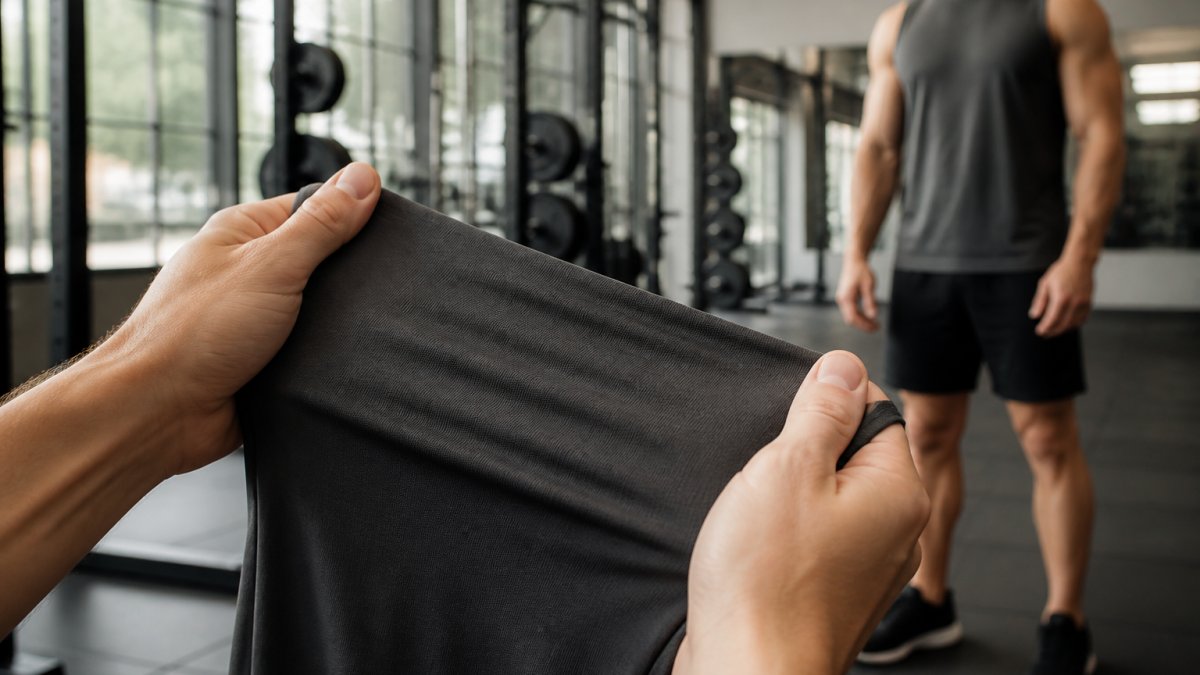
Stretch and Recovery
Stretch is how far the fabric moves with your body; recovery is whether it snaps back.
Pull the fabric firmly; it should extend 30-50% beyond resting length. If it bounces back immediately, recovery is excellent. If it stays stretched, skip it.
Four-way stretch moves in all directions; two-way moves in one or two. For most activities, four-way stretch is worth the premium for full range of motion.
Spandex (elastane) creates stretch.
Breathability and Durability
Breathability means air flows through. Hold the garment to light: if light passes through easily, breathability is good; dense fabrics block light and trap heat.
Durability shows in fabric weight, measured in GSM.
Rub the fabric firmly to check pilling. Quality technical fabrics resist pilling via stronger fibers and tighter weaves.
Opacity and Fit Consistency
Opacity matters: squat in the garment. If you see through it, it's too thin for workouts.
Fit consistency means holding shape through washes.
How to Wash High-Performance Apparel to Preserve Fabric Quality
Washing technique directly impacts how long your technical fabrics last; improper washing destroys the properties that make them perform.
Turn garments inside out to protect the outer surface from friction and pilling. Use cold water, since hot water breaks down synthetic fibers and fades color. Wash with like colors to prevent dye transfer.
Skip fabric softener entirely, it coats fibers and blocks moisture-wicking. Use a small amount of mild detergent; buildup reduces performance over time.
Wash with similar fabrics. Mixing lightweight performance wear with heavy cotton or denim damages delicate technical fibers.
Air dry whenever possible; machine heat damages synthetic fibers and causes shrinkage. Hang in shade, since direct sunlight fades colors and weakens fibers.
Wash less frequently.
A Beginner's Decision Framework: Choosing Fabric by Activity and Climate
Start by identifying your primary activity, which determines which fabric properties matter most.
High-intensity training (running, CrossFit, cycling): Polyester or nylon with 12-15% spandex for fast moisture-wicking and durable construction. Weight: 160-180 GSM.
Golf and moderate activity: Merino-synthetic blends or quality polyester for comfort, consistent fit, and odor resistance. Weight: 140-160 GSM. The Baselayer Muscle Tank from Greatness Wins uses mesh ventilation in high-heat areas for activities requiring precise movement and consistent fit.
Hot climate training: Lightweight polyester (under 150 GSM) with maximum breathability, loose weaves, and open construction.
Cold climate training: Merino wool blends or thicker synthetics (180+ GSM) for insulation plus moisture management.
Frequent washing (kids' sports, heavy use): Nylon or high-quality polyester. These resist pilling and maintain shape through 100+ wash cycles.
Sensitive skin: Merino wool or high-quality synthetic blends. Avoid cheap polyester, it can irritate skin. Test a small area first.
| Activity | Best Fabric | Key Property | Weight (GSM) | Climate |
|---|---|---|---|---|
| Running | Polyester/Nylon | Moisture-wicking | 160-180 | Hot |
| Golf | Merino blend | Fit consistency | 140-160 | Moderate |
| CrossFit | Nylon | Durability | 170-190 | Variable |
| Yoga | Nylon/Spandex | Stretch recovery | 140-160 | Moderate |
| Kids' sports | Nylon | Durability | 160-180 | Any |
| Cold weather | Merino wool | Insulation | 180+ | Cold |
Common Mistakes Beginners Make When Selecting Technical Fabrics
Mistake 1: Choosing based on price alone. The cheapest technical fabric uses low-quality synthetics that pill, lose stretch, and trap odor. The Performance Training Tee from Greatness Wins costs $42 and delivers the featherweight durability most beginners need.

Mistake 2: Ignoring fabric weight. Beginners buy fabric too light or too heavy.
Mistake 3: Assuming all synthetics feel the same. Quality polyester feels smooth and breathes well; cheap polyester feels stiff and plastic-like. If it feels rough or sticky, quality is low.
Mistake 4: Buying 100% natural fiber for intense training. Cotton and pure wool absorb sweat instead of wicking it. Save natural fibers for casual or low-intensity activities.
Mistake 5: Neglecting spandex percentage.
Mistake 6: Not testing stretch and recovery in-store. Pull the fabric; if it doesn't snap back immediately, skip it.
Mistake 7: Washing in hot water or using fabric softener. These destroy the performance properties you paid for. Use cold water and skip softener to double fabric life.
According to textile fibers research from ResearchGate, sportswear performance is shaped by fiber structure, interactions between fibers, yarn and fabric structure, and chemical treatments. Understanding these elements helps beginners make informed choices rather than guessing based on brand names or marketing claims.
Choosing the right technical athletic fabrics requires knowing what to look for. Start with polyester or quality nylon blends. Test stretch and opacity before buying. Wash properly to preserve performance.
At Greatness Wins, we build every piece with these principles in mind. Free shipping on orders over $100 and free returns within the U.S. mean you can test what works for your body with zero risk. Recent developments in materials and manufacturing techniques show that advances in fiber technology and fabric construction continue to improve performance across all intensity levels.
Frequently Asked Questions
What is the difference between technical athletic fabrics and regular cotton clothing?
Technical athletic fabrics are engineered with synthetic or blended fibers designed to manage moisture, stretch, and recover during movement. Cotton absorbs sweat and retains it against your skin, making you feel wet and heavy. Technical fabrics wick moisture away and dry quickly, keeping you comfortable during intense training. Polyester and nylon, common in technical athletic fabrics, also provide superior stretch and durability compared to cotton, which breaks down faster with frequent washing and high-impact activities.
How do I know if a moisture-wicking fabric will actually work for my sweat level?
Check the fabric composition on the label, polyester and nylon with moisture-wicking treatments are most effective. Before buying, feel the fabric; quality moisture-wicking materials feel smooth and dry to the touch, not sticky or heavy. Read customer reviews specifically mentioning sweat management and your activity type. Test the fabric's absorbency by dampening a small area; it should dry noticeably faster than cotton. Greatness Wins' Performance Training Tank and Core Tech Training Short both feature featherweight, moisture-managing fabrics designed for intense workouts where sweat management is critical.
Is polyester or nylon better for athletic wear if I have sensitive skin?
Both polyester and nylon can work for sensitive skin, but the difference lies in the fabric blend and finishing treatments. Nylon tends to be softer against the skin and less prone to pilling, while polyester is more durable and resistant to odor retention. If you have sensitive skin, look for seamless designs, flat seams, and fabrics blended with natural fibers like merino wool. Avoid rough finishes and opt for garments with mesh ventilation in high-friction areas, like Greatness Wins' Baselayer Muscle Tank, which includes targeted mesh ventilation to reduce irritation during movement.
What washing mistakes damage technical athletic fabrics the most?
The biggest mistakes are using hot water, bleach, and high heat in the dryer, all of which break down synthetic fibers and damage moisture-wicking treatments. Fabric softener coats fibers and reduces breathability. Washing with heavy detergents can leave residue that traps odor and reduces performance. Instead, use cold water, mild detergent, and air-dry whenever possible. Turn garments inside out to protect the surface, and avoid overwashing, technical fabrics stay fresher longer than cotton. Following these steps preserves the stretch, moisture-wicking ability, and durability of your high-performance apparel.