Table of Contents
- Why Sustainable Athletic Apparel Matters for Performance
- Environmental Impact of Traditional Manufacturing vs. Sustainable Production
- Benefits of Recycled Polyester in Sportswear
- Moisture-Wicking, Breathability, and Thermal Regulation in Eco-Friendly Fabrics
- Durability and Garment Longevity: How Sustainable Apparel Outlasts Conventional Gear
- How to Wash High Performance Apparel to Extend Its Lifespan
- Real-World Performance: Why Athletes Choose Sustainable Gear
- Conclusion
- Frequently Asked Questions
Last Updated: September 3, 2026
Why Sustainable Athletic Apparel Matters for Performance
The global sustainable athleisure market reached $117.37 billion in 2026 and is projected to grow to $164.11 billion by 2030 (Straits Research sustainable athleisure market analysis). Choosing sustainable athletic apparel isn't a trade-off between environmental responsibility and performance, it's the opposite.
When you select sustainable athletic apparel with the right technical specifications, you gain durability, better moisture management, and fabrics engineered for intense training. North America accounts for 34% of the global sustainable athleisure market, and 80% of consumers are willing to pay an average 9.7% premium for eco-friendly items (Ken Research consumer spending on sustainable athletic wear). This willingness reflects a deeper truth: performance-focused athletes recognize that sustainable athletic apparel delivers real technical advantages.

Environmental Impact of Traditional Manufacturing vs. Sustainable Production
Traditional synthetic manufacturing carries a heavy environmental cost. Recycled polyester requires 59% less energy and produces 32% fewer greenhouse gas emissions during production compared to virgin polyester (). Organic cotton farming reduces blue water consumption by 91% compared with conventional cotton, with up to 80% of organic cotton cultivation relying on rainwater rather than irrigation.

Synthetic clothing also sheds microplastics: a 2019 study found that synthetic clothing releases up to 700,000 microplastic fibers per wash cycle (Environmental Science & Technology microfiber shedding research). Mechanically recycled polyester reduces this burden while maintaining performance.
The real difference between traditional and sustainable production is durability. When you buy sustainable athletic apparel designed to last, you reduce the total environmental cost per wear. You buy less frequently and replace less often.
Benefits of Recycled Polyester in Sportswear
Recycled polyester holds 38.6% of the sustainable material market share in 2025. The material science is straightforward: recycled polyester undergoes the same processing as virgin polyester, delivering identical stretch, recovery, and moisture-wicking properties while cutting environmental cost dramatically.
For athletes, this means no performance compromise. Recycled polyester fabrics maintain four-way stretch, retain shape after numerous washes, and deliver the same compression and support as traditional synthetics. The Greatness Wins Core Tech Training Short uses recycled polyester with a Coolmax® liner, delivering lightweight performance and compressive feel without the traditional environmental footprint.
Recycled polyester has been tested across millions of garments. The performance data is extensive. The fabric works in cold weather, heat, and high-intensity movement, handling sweat, friction, and repeated washing without breaking down.
Moisture-Wicking, Breathability, and Thermal Regulation in Eco-Friendly Fabrics
Modern sustainable fabrics deliver thermal regulation and moisture management equal to or better than traditional synthetics. Recycled nylon performs identically to virgin nylon in stretch and recovery. Tencel blends, derived from biodegradable wood pulp, offer softness, effective moisture management, and breathability suitable for both intense training and recovery wear.
Moisture-wicking works through fabric structure and fiber properties, not material source. A well-engineered recycled polyester blend moves sweat away from skin just as efficiently as virgin polyester. High-quality sustainable athletic apparel includes features like breathable mesh panels, strategic ventilation zones, and moisture-wicking linings. The Performance Training Tank from Greatness Wins uses featherweight fabric engineered for breathability during intense workouts and outdoor runs in heat.
By 2026, activewear fabrics include multi-functional properties: thermal-adaptive capabilities adjust to body temperature changes, and anti-odor finishing reduces bacterial growth.
Durability and Garment Longevity: How Sustainable Apparel Outlasts Conventional Gear
GOTS-certified organic cotton is more durable than conventional cotton due to longer fiber staples and chemical-free processing. Organic cotton shows higher tear strength and better pilling resistance compared to conventional cotton, enduring 50+ wash cycles without significant degradation.
Conventional cotton undergoes harsh chemical treatments that weaken fibers over time. Organic cotton skips these steps, preserving fiber integrity. Recycled polyester shares this advantage: manufacturers can engineer higher-quality yarns that are more durable.
A sustainable athletic apparel piece lasting 50+ wash cycles means you replace it less frequently. An athlete buying one high-quality sustainable piece that lasts two years eliminates the need to replace it multiple times with conventional apparel. That's the math behind why sustainable athletic apparel delivers better long-term value.
| Apparel Type | Conventional Durability | Sustainable Durability | Wash Cycles (Conventional) | Wash Cycles (Sustainable) |
|---|---|---|---|---|
| Organic Cotton Blend | Standard fiber strength | Higher tear strength | 20-30 cycles | 50+ cycles |
| Recycled Polyester | Virgin polyester baseline | Engineered for longevity | 30-40 cycles | 50-60 cycles |
| Blended Performance Fabric | Standard performance | Enhanced durability | 25-35 cycles | 45-55 cycles |
How to Wash High Performance Apparel to Extend Its Lifespan
Wash sustainable athletic apparel in cold water to preserve color and stretch recovery, extending lifespan by 20-30%. Turn garments inside out before washing to protect the outer surface from friction and reduce pilling.
Use a washing bag designed to catch microfibers. Avoid fabric softeners and bleach, which break down elastic fibers and damage sustainable fabrics. Plain cold water with mild detergent is sufficient.
Dry on low heat or air dry. High heat damages elastic fibers and accelerates degradation. Air drying preserves the garment's structural integrity and often extends lifespan by 30-40% compared to regular dryer use.
Wash less frequently. Hang sweat-soaked gear to air out and wash every 2-3 wears instead of every wear. This single practice reduces total wash cycles and extends garment lifespan substantially.
Real-World Performance: Why Athletes Choose Sustainable Gear
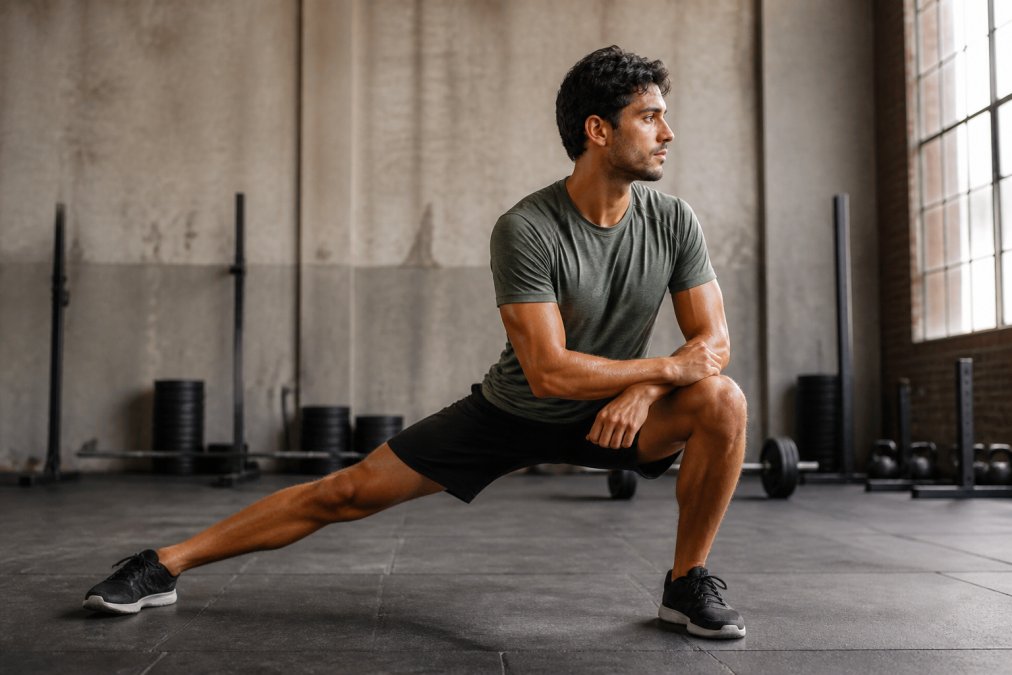
SEAAV Athletics uses fibers from recycled water bottles to create leggings, tank tops, and sports bras. Each pair of leggings uses fibers from 18 water bottles. In its first year, SEAAV Athletics diverted over 170,000 plastic bottles and repurposed them into apparel. Athletes reported the same stretch, support, and moisture-wicking as conventional brands.
Feat Clothing scaled to $10 million in sales in one year by focusing on sustainable materials without sacrificing performance. Their goal was to replace 70% of polyester with recycled polyester while pursuing a zero carbon footprint for shipping. The market response was driven by product quality, not environmental marketing.
Adidas's collaboration with Parley for the Oceans incorporates recovered plastic waste into collections while maintaining performance standards. The company plans to transition entirely to recycled materials by 2024. This is a core business strategy because sustainable materials deliver the performance athletes demand.
Athletes choose sustainable athletic apparel because it performs and lasts longer. The environmental benefit is real, but it's secondary to performance. When sustainable athletic apparel delivers superior durability, better moisture-wicking, and the same stretch recovery as conventional gear, the choice becomes obvious.
Conclusion
Sustainable athletic apparel has moved from niche to mainstream because the performance data supports it. Recycled polyester delivers identical stretch and moisture-wicking to virgin polyester while cutting environmental impact by 59% in energy use and 32% in greenhouse gas emissions. Organic cotton outlasts conventional cotton. The durability advantage means fewer total purchases over time, compounding into significant environmental and financial value.
At Greatness Wins, we've engineered sustainable performance into every piece. The Core Tech Tee combines ultra-soft double brush hand feel with durability tested by elite competitors. The Core Tech Training Short uses recycled polyester with Coolmax® liner technology, delivering lightweight performance and compression support without compromise. When you choose sustainable athletic apparel built for performance, you're investing in gear that lasts, performs, and aligns with your values.

Get started with Greatness Wins and experience sustainable athletic apparel engineered for your personal best. Free shipping on orders over $100 and free returns within the U.S. make it risk-free to discover how premium, sustainable performance gear transforms your training.
=== FAQ ANSWERS (audit these too, same rules) ===
[1] Q: What are the performance benefits of sustainable athletic fabrics? A: Sustainable athletic apparel delivers measurable performance gains. Recycled polyester performs identically to virgin nylon with the same stretch and recovery, while organic cotton offers higher tear strength and better pilling resistance than conventional cotton. Recycled materials also reduce carbon footprint by 59-70% compared to virgin synthetics. Modern sustainable fabrics now include moisture-wicking, thermal-adaptive capabilities, and antibacterial finishing, matching or exceeding traditional synthetic performance without the environmental cost.
[2] Q: Does eco-friendly athletic apparel last longer than standard gear? A: Yes. GOTS-certified organic cotton is more durable than conventional cotton due to longer fiber staples and chemical-free processing. High-quality sustainable garments can endure 50+ wash cycles without significant degradation, outperforming conventional alternatives. Additionally, advancements in recycling technology by 2026 are producing higher-quality recycled yarns with self-repairing weaves that increase durability further.
[3] Q: Why is moisture-wicking technology important in sustainable sportswear? A: Moisture-wicking pulls sweat away from your skin, regulating thermal comfort and preventing chafing during intense training. Sustainable fabrics like Tencel blends and recycled polyester deliver effective moisture management and breathability equal to traditional synthetics. This is critical for competitive athletes and fitness enthusiasts who demand consistent performance. Without proper moisture-wicking, you lose thermal regulation, which compromises both comfort and athletic output during rigorous workouts or sports like golf.
[4] Q: How does sustainable activewear compare to traditional synthetic gear in terms of microplastic shedding? A: Synthetic clothing releases up to 700,000 microplastic fibers per wash cycle, according to Environmental Science & Technology research. Recycled polyester and natural fibers shed fewer microplastics than virgin synthetics, especially when treated with sustainable dyes. Choosing sustainable athletic apparel reduces your environmental footprint during the garment's entire lifecycle, from production through washing and disposal.
Frequently Asked Questions
Q: What are the performance benefits of sustainable athletic fabrics?
A: Sustainable athletic apparel delivers measurable performance gains. Recycled polyester performs identically to virgin nylon with the same stretch and recovery, while organic cotton offers higher tear strength and better pilling resistance than conventional cotton. Recycled materials also reduce carbon footprint by 59-70% compared to virgin synthetics. Modern sustainable fabrics now include moisture-wicking, thermal-adaptive capabilities, and antibacterial finishing, matching or exceeding traditional synthetic performance without the environmental cost.
Q: Does eco-friendly athletic apparel last longer than standard gear?
A: Yes. GOTS-certified organic cotton is more durable than conventional cotton due to longer fiber staples and chemical-free processing. High-quality sustainable garments can endure 50+ wash cycles without significant degradation, outperforming conventional alternatives. Additionally, advancements in recycling technology by 2026 are producing higher-quality recycled yarns with self-repairing weaves that increase durability further.
Q: Why is moisture-wicking technology important in sustainable sportswear?
A: Moisture-wicking pulls sweat away from your skin, regulating thermal comfort and preventing chafing during intense training. Sustainable fabrics like Tencel blends and recycled polyester deliver effective moisture management and breathability equal to traditional synthetics. This is critical for competitive athletes and fitness enthusiasts who demand consistent performance. Without proper moisture-wicking, you lose thermal regulation, which compromises both comfort and athletic output during rigorous workouts or sports like golf.
Q: How does sustainable activewear compare to traditional synthetic gear in terms of microplastic shedding?
A: Synthetic clothing releases up to 700,000 microplastic fibers per wash cycle, according to Environmental Science & Technology research. Recycled polyester and natural fibers shed fewer microplastics than virgin synthetics, especially when treated with sustainable dyes. Choosing sustainable athletic apparel reduces your environmental footprint during the garment's entire lifecycle, from production through washing and disposal.
This article was written using GrandRanker