Table of Contents
- Why Athletic Wear Selection Matters for HIIT
- Best Fabric for HIIT Workouts
- Best Sports Bra for HIIT
- HIIT Leggings vs Shorts: Which Works Best
- Workout Clothes That Prevent Chafing
- Fit, Comfort, and Freedom of Movement
- Testing Your Gear Before Intense Sessions
- Durability and Care for Long-Lasting Performance
- Frequently Asked Questions
Last Updated: October 10, 2026
Why Athletic Wear Selection Matters for HIIT
Choosing the right athletic wear HIIT gear directly affects your performance. The wrong gear restricts movement, traps sweat, and distracts you from pushing harder.
During burpees, sprinting, and jumping, tight clothing limits range of motion while non-breathable fabrics trap heat and moisture, breaking your focus and slowing performance.
Proper gear keeps you dry, cool, and unrestricted so you can concentrate on the workout itself.
Best Fabric for HIIT Workouts
The fabric you choose determines whether your clothes work for or against you. High-impact exercise generates serious heat and sweat, and not all synthetic blends perform equally.
Moisture-Wicking and Breathable Materials
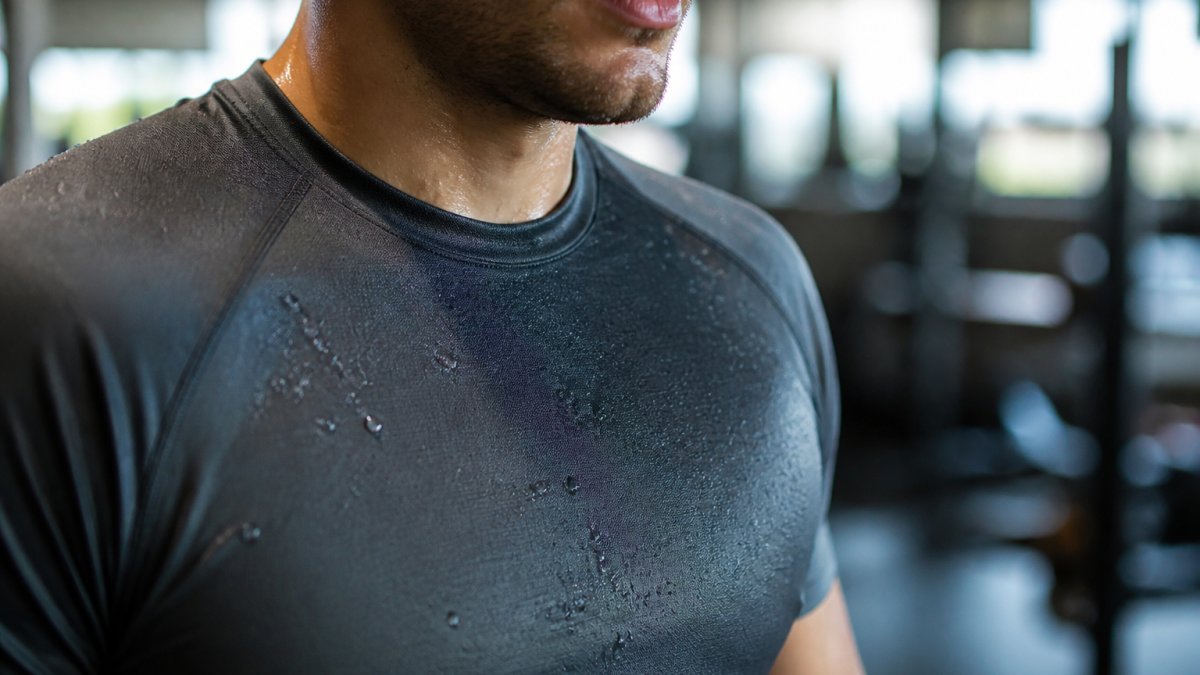
Moisture-wicking fabrics pull sweat away from your skin to the outer surface where it evaporates, while breathable materials allow air flow to prevent heat buildup. However, drying speeds vary significantly across synthetics.
Common HIIT-appropriate synthetics include:
- Polyester blends (85-100%): Excellent moisture-wicking and quick drying (typically dry within 2-4 hours of air drying). Polyester holds its shape well through repeated intense workouts. Trade-off: can retain odor more readily than nylon, requiring more frequent washing or odor-control treatments.
- Nylon blends (20-40% nylon with polyester): Lightweight, stretchy, and slightly faster-drying than pure polyester (1-3 hours). Nylon resists odor better than polyester. Trade-off: less durable in high-friction areas; seams may fray or pill after 50+ intense workouts.
- Spandex (elastane) blends (5-20%): Provides stretch and shape recovery while wicking moisture. Essential for garments that must recover after being stretched during burpees, lunges, and sprints. Trade-off: spandex degrades faster under heat and UV exposure; avoid high-heat drying.
- Specialty performance blends (e.g., polypropylene-polyester, or proprietary moisture-management weaves): Some brands layer different synthetics to optimize wicking speed and breathability. These often dry fastest (1-2 hours) but cost more and may require gentler care.
Fabric Trade-Offs: Drying Speed, Odor, and Durability
When selecting HIIT wear, consider the full lifecycle of the garment. Polyester-dominant blends dry fastest and suit frequent training. A 70% polyester / 30% nylon blend balances faster drying with better odor resistance.
Why Cotton Fails During High-Impact Exercise
Cotton absorbs sweat instead of wicking it, becomes heavy and uncomfortable. It also loses shape quickly and chafes easily. For HIIT training, avoid pure cotton and blends with less than 20% cotton content. Stick with synthetic or synthetic-dominant blends for reliable performance, quick drying, and durability.
Care Considerations by Fabric Type
Proper washing extends garment life and maintains moisture-wicking performance.
- Polyester-dominant blends: Wash in cold water; avoid fabric softener (it coats fibers and reduces wicking). Air-dry preferred; low-heat dryer acceptable. Polyester resists shrinkage.
- Nylon blends: Wash in cool water; nylon is sensitive to heat. Air-dry strongly recommended. High heat can cause permanent damage.
- High-spandex blends: Wash in cool water, inside-out, with mild detergent. Air-dry only; machine drying degrades spandex. Avoid chlorine and salt water exposure.
Best Sports Bra for HIIT
A proper sports bra is non-negotiable for high-impact exercise. The wrong bra creates discomfort, limits your movement, and can lead to pain or injury over time. Choosing the right bra requires understanding support levels, testing fit under movement, and recognizing when a bra isn't working for your body.
Support Levels and Impact Considerations
For HIIT, you need high-support bras that minimize breast movement and impact stress. Look for these structural features:

- Encapsulation design: Each breast has its own cup (not a compression-style bra that flattens). Encapsulation reduces bounce and provides individual support.
- Reinforced straps: Wide straps (at least 1 inch) that won't slip during movement. Straps should be angled slightly inward (not straight vertical) to stay in place during jumping and sprinting.
- Structured underwire or structured cups: Provides lift and shape, reducing vertical and lateral breast movement. Underwire bras typically offer more support than wireless designs.
- Wide band under the bust: Distributes weight and reduces shoulder strain. A band that's too narrow concentrates pressure and can dig in during intense movement.
- Minimal bounce and movement during jumping or sprinting: The gold standard is less than 1 inch of vertical breast movement during high-impact activity.
Fit and Comfort During Movement: Detailed Testing
Test your bra's fit with specific movement checks before committing to it for serious training. The band should sit parallel to the ground with one finger fitting comfortably underneath; jump to ensure it doesn't ride up. Cups should have no spillage or wrinkles; do burpees to confirm breasts stay fully contained. Straps should sit on your shoulders without slipping; run in place to verify they stay in place. Jump and perform burpees and lateral lunges to confirm minimal bounce and stable support.
Signs Your Sports Bra Isn't Right for HIIT
Watch for red flags: excessive bounce, slipping straps, band riding up, shoulder or back pain, chafing, underwire digging in, or breast discomfort. If you experience these issues, try a different size, style, or support level. The right bra should feel barely there during intense movement.
Body-Specific Fit Considerations
Bra fit is highly individual. Narrow or sloped shoulders need inward-angled or convertible straps. Wider ribcages may need a larger band with smaller cups. Larger cup sizes need underwire or structured cups. Smaller cup sizes can use compression or wireless styles if the band is snug. Asymmetrical breasts may need inserts or asymmetrical designs. Try on multiple sizes and styles; the right fit directly impacts your comfort, performance, and injury risk.
Testing Your Bra Before Intense Sessions
Don't wear a new sports bra for the first time during a serious HIIT workout. Test it first:
- Wear it for light activity. Do a 10-minute easy walk or light jog. Notice how the fabric feels, whether anything shifts, and if there are any irritation points.
- Try moderate intensity next. Do a 20-minute workout at medium intensity. Include some jumping and faster movements. This reveals fit issues that don't show up during light activity.
- Go full intensity. Once you're confident the bra works, use it for a full HIIT session. Push hard and see how everything performs under real conditions.
- Check for problems. After the workout, look for any chafing, irritation, red marks, or areas where the bra shifted. Note any discomfort or restriction.
This testing process takes a few workouts but saves you from wasting money on a bra that doesn't work for your body and training style.
HIIT Leggings vs Shorts: Which Works Best
Both leggings and shorts work for HIIT. Leggings offer full leg coverage, reduce chafing, and work well in cool environments; choose four-way stretch with high-waisted designs. Shorts provide maximum airflow and cooling for warm environments; look for built-in compression liners. The Greatness Wins Core Tech Training Short combines lightweight fabric with a Coolmax® liner for gentle compression. Choose based on your climate and comfort.

Workout Clothes That Prevent Chafing
Chafing happens when fabric rubs repeatedly against your skin. Prevent it by choosing synthetic fabrics (polyester, nylon, spandex blends) over cotton, ensuring a snug fit without excess fabric, wearing seamless or flat-seam garments, and washing new gear before wearing. The Performance Training Tank from Greatness Wins uses featherweight fabric that minimizes friction while delivering maximum breathability.

Fit, Comfort, and Freedom of Movement
Your athletic wear HIIT must allow your body to move naturally. Restrictive clothing limits your performance and increases injury risk.
Test your gear's fit with these movement checks:
- Raise your arms overhead. Your top should move with you, not pull or bind.
- Do a full squat. Your shorts or leggings shouldn't ride up or restrict your hips.
- Perform a lateral lunge. Check that your clothing doesn't limit side-to-side movement.
- Jump several times. Everything should stay in place without shifting.
- Rotate your torso. Your top shouldn't twist or restrict your core.
The best athletic wear for HIIT feels like a second skin. It moves with you, not against you. You shouldn't think about your clothes during the workout. You should only focus on the training.
Fit is personal. What works for one person might not work for another. Body type, proportions, and movement patterns all affect how gear fits. This is why trying on multiple options and testing them with actual movements matters.
Testing Your Gear Before Intense Sessions
Don't wear new gear for the first time during a serious workout. Test everything first.
Here's how to test new athletic wear:
-
Wear it for light activity first. Do a 10-minute easy walk or light jog. Notice how the fabric feels, whether anything shifts, and if there are any irritation points.
-
Try moderate intensity next. Do a 20-minute workout at medium intensity. Include some jumping and faster movements. This reveals fit issues that don't show up during light activity.
-
Go full intensity. Once you're confident the gear works, use it for a full HIIT session. Push hard and see how everything performs under real conditions.
-
Check for problems. After the workout, look for any chafing, irritation, or areas where the fabric shifted. Note any discomfort or restriction.
-
Wash and evaluate durability. Wash the gear according to care instructions. See if it recovers its shape and how the fabric responds to washing.
This testing process takes a few workouts but saves you from wasting money on gear that doesn't work for your body and training style.
Durability and Care for Long-Lasting Performance
Quality athletic wear is an investment. Proper care extends its lifespan and maintains performance.
Washing and drying:
- Wash in cold water with mild detergent
- Avoid fabric softener (it reduces moisture-wicking)
- Wash inside out to protect the fabric surface
- Air dry when possible (heat damages elastic and synthetic fibers)
- If you must use a dryer, use low heat
Storage:
- Fold rather than hang to prevent stretching
- Store in a cool, dry place
- Keep away from direct sunlight
- Don't store while damp
Signs your gear needs replacing:
- Loss of elasticity (waistbands don't recover their shape)
- Pilling or fuzzing on the fabric surface
- Reduced moisture-wicking (fabric feels wet instead of dry)
- Visible wear in seams or high-stress areas
- Persistent odor even after washing
Greatness Wins athletic wear is built to withstand frequent intense training. Proper care keeps your gear performing at its best for longer.
Selecting the right athletic wear for HIIT training directly impacts your performance and comfort. The wrong gear distracts you from your workout and can limit your results. Greatness Wins offers premium athletic apparel engineered for high-intensity training, with moisture-wicking fabrics, maximum support, and unrestricted movement. Our High Output Sports Bra and Core Tech Training Short are specifically designed to handle the demands of intense interval training. Get started with Greatness Wins and experience how proper gear elevates your training.
Frequently Asked Questions
What specific fabric technology should I look for in athletic wear for HIIT?
Look for polyester and nylon blends with four-way stretch and moisture-wicking properties. These fabrics pull sweat away from your skin and dry quickly, keeping you comfortable during intense sessions. Double-brushed jersey interlock knit and similar high-performance materials provide breathability and durability. Avoid cotton entirely, as it absorbs sweat and retains moisture, making you feel heavy and uncomfortable during jumping, sprinting, and burpees.
How do I know if a sports bra provides enough support for HIIT?
A supportive sports bra for high-impact exercise should minimize bounce and provide full coverage without digging into your shoulders. Look for designs with reinforced straps and compression features. The High Output Sports Bra and High Neck Pocket Long Bra from Greatness Wins are engineered for maximum performance during intense training, with breathable double-jersey interlock knit that keeps you dry while offering the support needed for high-intensity movements.
Should I wear HIIT leggings or shorts during my workout?
The choice depends on your comfort and climate. Leggings provide full coverage and reduce chafing risk during movements like burpees and sprinting. Shorts offer more airflow and ventilation for temperature regulation in hot conditions. For durability and sweat management, choose gear with moisture-wicking fabric and a compressive fit. The Core Tech Training Short features a lightweight, durable design with Coolmax liner for a gentle compressive feel during stretching and movement.
How can I prevent chafing in workout clothes during HIIT?
Select gear with a snug, secure fit that minimizes friction between fabric and skin. Moisture-wicking materials that dry quickly reduce the irritation caused by prolonged sweat exposure. Seam placement matters, look for flatlock seams or minimal seaming in high-friction areas. Compression shorts or leggings with a supportive waistband prevent rolling and shifting during intense movements. Ensure your apparel fits properly; loose, baggy clothing increases chafing risk during high-impact exercise.