Table of Contents
- Why Do Synthetic Workout Clothes Lose Shape? The Science of Fabric Fatigue
- Heat, Oil, and Stretch: The Main Culprits Behind Baggy Leggings and Shirts
- Why Do Leggings Lose Their Stretch? A Closer Look at Elastane
- How to Wash High Performance Apparel to Prevent Shape Loss
- How to Restore Elasticity in Spandex: What Works and What Doesn't
- Fiber Blends and Fabric Memory: Choosing Gear That Holds Its Shape
- Care Routines That Extend the Life of Your Training Gear
- Conclusion: Keep Your Workout Gear Fitting Like New
- Frequently Asked Questions
Last Updated: September 8, 2026
Why Do Synthetic Workout Clothes Lose Shape? The Science of Fabric Fatigue
Synthetic workout clothes lose shape because repeated mechanical stress and heat permanently break down the elastic polymers, primarily spandex and elastane, woven into the fabric. When you stretch a pair of leggings during a squat, the elastic fibers are designed to snap back. Over time, those fibers fatigue, much like a rubber band left stretched too long, and lose their ability to return to their original length.
We've studied how high-performance apparel behaves under rigorous training conditions, and the core issue is polymer breakdown. Synthetic fibers are hydrophobic, repelling water, but also oleophilic, attracting and trapping body oils. This combination creates a specific chain of damage most athletes never see coming.
Fabric fatigue is not random or inevitable. Understanding heat degradation, oil absorption, and mechanical stress gives you a clear roadmap to prevent it. Below, we break down why your gear sags, how to restore elasticity in spandex, and the wash routines that keep compression wear fitting like new.
Heat, Oil, and Stretch: The Main Culprits Behind Baggy Leggings and Shirts
The biggest mistake most athletes make is assuming shape loss comes from poor quality. In reality, the damage starts with heat and ends with oil. When you train, your body heat rises, and research indicates that thermoregulation in females may be impaired by synthetic materials during exercise, according to a study from the National Center for Biotechnology Information. That trapped heat directly accelerates the breakdown of elastic fibers.
The second culprit is body oil. Synthetic fibers are oleophilic, absorbing sebum deep into the polymer structure. Once oil penetrates, it weakens tensile strength and prevents fibers from contracting properly. Over months, this buildup compounds with heat damage, turning a once-snug shirt into a baggy, misshapen shell.
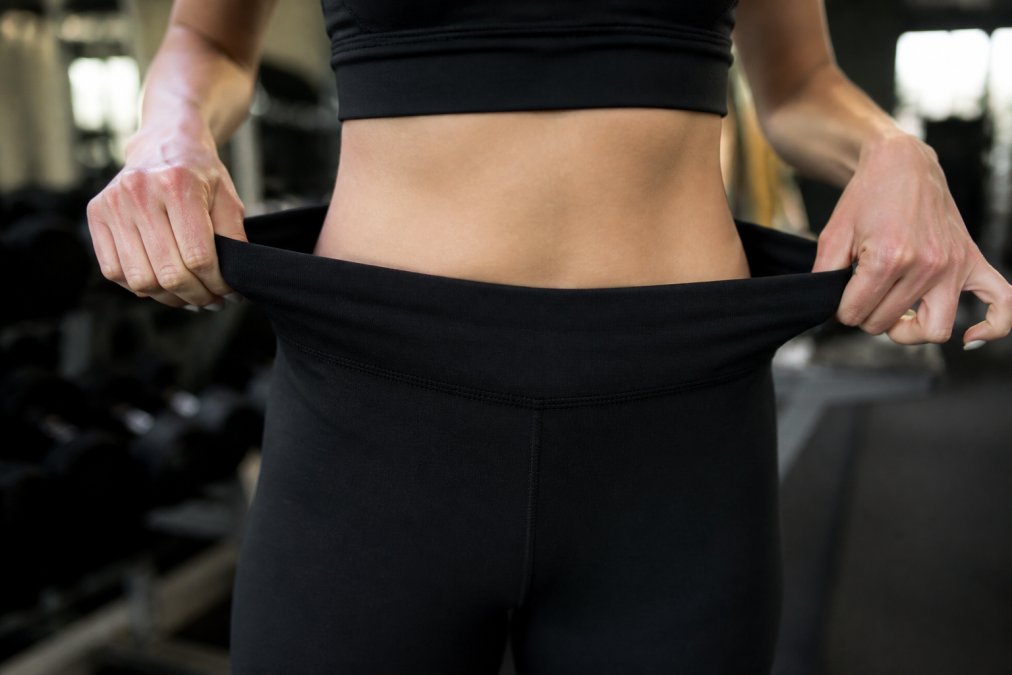
The mechanical stress of movement adds the final blow. Every rep, stride, and swing pulls the fabric beyond its resting state. Combined, heat, oil, and stretch create a perfect storm no synthetic fabric can withstand indefinitely.
Why Do Leggings Lose Their Stretch? A Closer Look at Elastane
Leggings lose their stretch because elastane fibers break down faster than the surrounding polyester or nylon. Elastane provides compression and recovery but is the most fragile component in the blend. Baggy knees or a rolling waistband signal elastane failure, not polyester failure.
Elastane is a polyurethane-based polymer relying on long-chain molecular bonds for stretch. Heat, chlorine from pools, and harsh detergents attack these bonds. Once broken, the fiber loses its "fabric memory," the ability to return to its original dimensions after stretching.
Detergent chemistry plays a larger role than most guides acknowledge. Standard detergents contain surfactants and enzymes designed to break down proteins and oils. While effective on sweat, these same surfactants can strip the protective coatings on elastane fibers, leaving them vulnerable. A report from Ageist notes that dermal absorption rates of certain chemicals can increase by as much as 50% during exercise, which is a reminder that what you wash into your gear matters as much as what you sweat into it.
How to Wash High Performance Apparel to Prevent Shape Loss
Washing high performance apparel correctly is the single most effective way to prevent shape loss, starting with three rules: cold water, mild detergent, and no dryer. But the details matter more than most guides admit, especially regarding what is actually in your detergent.
Step 1: Turn garments inside out. This protects the outer surface from abrasion, reduces pilling, and allows water to reach sweat and oil trapped against the skin side. It also minimizes friction against elastane fibers, which are most exposed on the interior.
Step 2: Use cold water (below 85°F) on a gentle cycle. Hot water accelerates polymer breakdown in elastane and spandex. Cold water cleans effectively without compromising fiber integrity. If your washer has a "delicates" or "hand wash" cycle, use it, reduced agitation means less mechanical stress on the elastic webbing.
Step 3: Choose a sports-specific detergent, and read the label for enzymes. Standard detergents often contain protease and lipase enzymes designed to break down protein-based stains like sweat and food. While effective on those stains, these enzymes can attack the polyurethane bonds in elastane over repeated wash cycles. Sports-specific detergents like Nathan Sport-Wash or Hex Performance use milder surfactants that lift oils without the aggressive enzyme cocktail. Avoid fabric softeners entirely, they coat synthetic fibers with a cationic surfactant residue that blocks moisture-wicking and reduces breathability. If you see "quaternary ammonium compounds" on a softener label, that is the ingredient doing the coating.
Step 4: Air dry flat, never tumble dry. The mechanical tumbling action combined with heat is the fastest way to destroy fabric recovery. Lay garments flat on a drying rack away from direct sunlight, which can degrade synthetic polymers through UV exposure. If you must use a dryer, select the lowest heat setting and remove garments while still slightly damp.
Step 5: Skip the pre-soak with hot water. Some athletes soak sweaty gear in hot water to break down odors before washing. This is counterproductive, hot water causes elastane fibers to swell and weakens molecular bonds before the wash cycle begins. Instead, rinse the garment in cold water immediately after your workout, then wash it within 24 hours.
Step 6: Wash like colors together, but separate heavy items. Washing leggings with a hoodie or towel creates excess friction that abrades surface fibers and strains the elastane. Keep activewear in its own load, or with other lightweight, low-abrasion items.
Athletes who extend the life of their gear treat the wash cycle as a chemical process, not just a cleaning chore. Surfactant type, water temperature, and enzyme profile all interact with the polymer structure of your fabric. Getting these variables right is the difference between a shirt that lasts 50 washes and one that bags out after 15.
How to Restore Elasticity in Spandex: What Works and What Doesn't
Restoring elasticity in spandex is possible in limited cases, but the window is narrow. If the fibers have not yet snapped, you can often recover a significant portion of the original stretch.
The most effective method is a warm water soak with a gentle hair conditioner or specialized fabric wash. The conditioner relaxes polymer chains, allowing them to contract toward their resting state. Soak for 20 to 30 minutes, rinse thoroughly in cold water, and lay flat to dry.
What does not work is heat. Some online guides suggest using a hot iron or boiling water to "shrink" the fabric back into shape. This is counterproductive, heat makes elastic fibers brittle and snap, permanently ruining recovery. Similarly, aggressive stretching while wet overextends fibers and worsens the problem.
| Method | What It Does | Success Rate |
|---|---|---|
| Cold water wash with sports detergent | Removes oil buildup that blocks fiber contraction | High for mild sagging |
| Warm soak with conditioner | Relaxes polymer chains to restore memory | Moderate for moderate sagging |
| Hot water or dryer | Breaks remaining elastic bonds | Low, often permanent damage |
| Aggressive stretching while wet | Overextends already fatigued fibers | Low, worsens the issue |
Fiber Blends and Fabric Memory: Choosing Gear That Holds Its Shape
Fiber blend ratios determine how long a garment holds its shape, and this is where most athletes make their purchasing mistake. A typical synthetic blend uses 80% polyester or nylon for durability and moisture-wicking, paired with 15% to 20% elastane for stretch. The higher the elastane percentage, the better the initial compression, but the faster the shape loss, because elastane is the weakest link.
For gear that holds its shape, look for blends where elastane is 15% or less. This reduces reliance on the fragile elastic fiber while still providing enough stretch for movement. Fabrics with a tighter knit construction and higher denier (fiber thickness) resist pilling and maintain structure longer.
A common mistake is assuming all compression wear is created equal. Fabric memory depends on the quality of the elastane and the knitting process. Brands using pre-shrunk, high-tenacity fibers and reinforced seams produce garments that survive hundreds of wash cycles without bagging out.
Care Routines That Extend the Life of Your Training Gear
Consistency beats intensity when it comes to textile care. A simple, repeatable routine extends the life of your training gear far more than an occasional deep-cleaning session. But the routine does not stop at the washing machine, how you store and handle gear between workouts is just as critical to preserving fabric memory.
Wash after every workout. Sweat left to dry in synthetic fibers crystallizes and accelerates fiber degradation. Do not let gear sit in a gym bag overnight. Rinse it in cold water immediately if you cannot wash it right away. The salt from sweat is particularly damaging, when it crystallizes, it creates microscopic abrasions inside the fiber structure that weaken elastane over time.
Rotate your gear. Wearing the same leggings or compression shirt every day gives elastic fibers no time to recover between sessions. Rotating between two or three pieces allows polymers to relax back to their resting state. Most textile engineers recommend at least 24 hours of rest between wears for compression garments.
Store flat or hang by the waistband, never by the legs. This is the most overlooked factor in shape retention. Folding leggings in half and stacking them under heavy items creates permanent creases that weaken fibers at the fold point. Hanging leggings by the cuffs or ankles puts continuous gravitational stress on the elastane, stretching the fabric downward. The result is baggy knees and a sagging crotch even if you never wore them. Instead, fold leggings loosely and store them flat in a drawer, or hang them by the waistband using a clip hanger that distributes weight evenly across the elastic band.
For shirts and tops, use wide padded hangers rather than thin wire ones. A wire hanger creates a pressure point at the shoulders that can permanently indent the fabric and stretch the neckline. If you must fold shirts, roll them rather than folding them in half, rolling eliminates the sharp crease line that weakens fibers.
Do not store gear in plastic bags or sealed containers. Synthetic fabrics need airflow. Trapped moisture in a sealed gym bag or plastic storage bin creates a micro-environment where bacteria thrive and residual body oils continue to break down the polymer structure. Use breathable mesh bags for storage and keep your gym bag unzipped between uses.
Address pilling immediately. Small balls of fiber on the surface of your leggings or compression shirt signal that surface fibers are breaking and tangling. Use a fabric shaver or pumice stone to remove pills gently, this prevents tangled fibers from pulling on adjacent elastane threads and accelerating degradation.
Be mindful of where you change. Pulling leggings on and off while standing on a rough surface like concrete or asphalt abrades the outer fabric. Sit on a clean, smooth surface when changing, and avoid letting gear drag on the floor. This prevents micro-tears in the outer polyester or nylon layer that expose the elastane core to damage.
The shift toward non-toxic, plant-based activewear alternatives is also worth noting, as market reviews from Lezat highlight a growing demand for materials that perform without the environmental drawbacks of traditional synthetics, including the release of microplastics during washing. These newer materials often have different care requirements, so always check the manufacturer's label before assuming your standard routine applies.
Conclusion: Keep Your Workout Gear Fitting Like New
Synthetic workout clothes lose shape because heat, oil, and mechanical stress degrade the elastic fibers that provide recovery. The fix is not to abandon performance fabrics, it is to care for them correctly and choose blends that prioritize longevity.
At Greatness Wins, we design high-performance apparel with consistent sizing and durable fabric blends that withstand rigorous training. Our gear supports athletes who demand both performance and longevity, with free returns within the U.S. if the fit is not right. SHOP ALL GOLF
Get started with Greatness Wins and build a training wardrobe that keeps its shape, wash after wash.
Frequently Asked Questions
How long should workout clothes last?
With proper care, high-quality synthetic workout clothes should hold their shape and performance for 12 to 18 months of regular training. Frequent washing in hot water and drying on high heat can cut that lifespan in half. Signs it's time to replace gear include permanent bagging in the knees or seat, loss of compression, and fabric that stays wrinkled after washing.
Does heat cause workout clothes to lose their shape?
Yes. Heat is the primary enemy of synthetic stretch fibers like spandex and elastane. High temperatures from hot water washes, tumble drying, and even leaving gear in a hot car break down the polymer bonds in elastic fibers. Once those bonds degrade, the fabric loses its ability to snap back, resulting in permanent stretching and bagging.
Can improper washing cause synthetic leggings to bag out?
Absolutely. Using fabric softeners or dryer sheets coats synthetic fibers with a waxy residue that interferes with their moisture-wicking properties and can reduce elasticity over time. Washing in hot water and using high-heat drying accelerates polymer breakdown. Wash activewear in cold water with a sport-specific detergent and always air dry to prevent leggings from bagging out.
How can I tell if my athletic wear is losing its recovery?
Pinch the fabric at the hip or knee and hold it for ten seconds, then release. If the fabric doesn't spring back flat within a few seconds, its fiber recovery is compromised. Other signs include sagging in the seat, waistbands that roll or slip, and sleeves that lose their cuff. Fabric that looks permanently wrinkled or stretched out even after washing has lost its elasticity.