Table of Contents
- Why Sweat Stains Stick to Golf Shirts and Performance Fabrics
- What You'll Need Before You Start
- Step 1: Identify the Stain Type and Affected Areas
- Step 2: Pre-Treat Sweat Stains Before Washing
- How to Remove Yellow Sweat Stains From Shirts
- How to Remove Old Sweat Stains From Clothes
- Does Hydrogen Peroxide Remove Sweat Stains
- How to Wash Moisture-Wicking Shirts After Stain Treatment
- Frequently Asked Questions
Last Updated: October 13, 2026
Why Sweat Stains Stick to Golf Shirts and Performance Fabrics
Learning how to remove sweat stains golf shirts requires understanding why they're stubborn in moisture-wicking fabrics. These performance materials pull sweat away from your skin and toward the fabric's surface. That's great for comfort during your round, but it means salt and oils deposit directly into the fibers.
Golf shirts use synthetic blends, polyester, nylon, and stretch materials. These fabrics don't absorb sweat the way cotton does. Instead, sweat sits on the surface and dries there, leaving mineral deposits and discoloration behind. The problem gets worse with deodorant residue, which bonds to the fabric and creates yellow or dark stains.
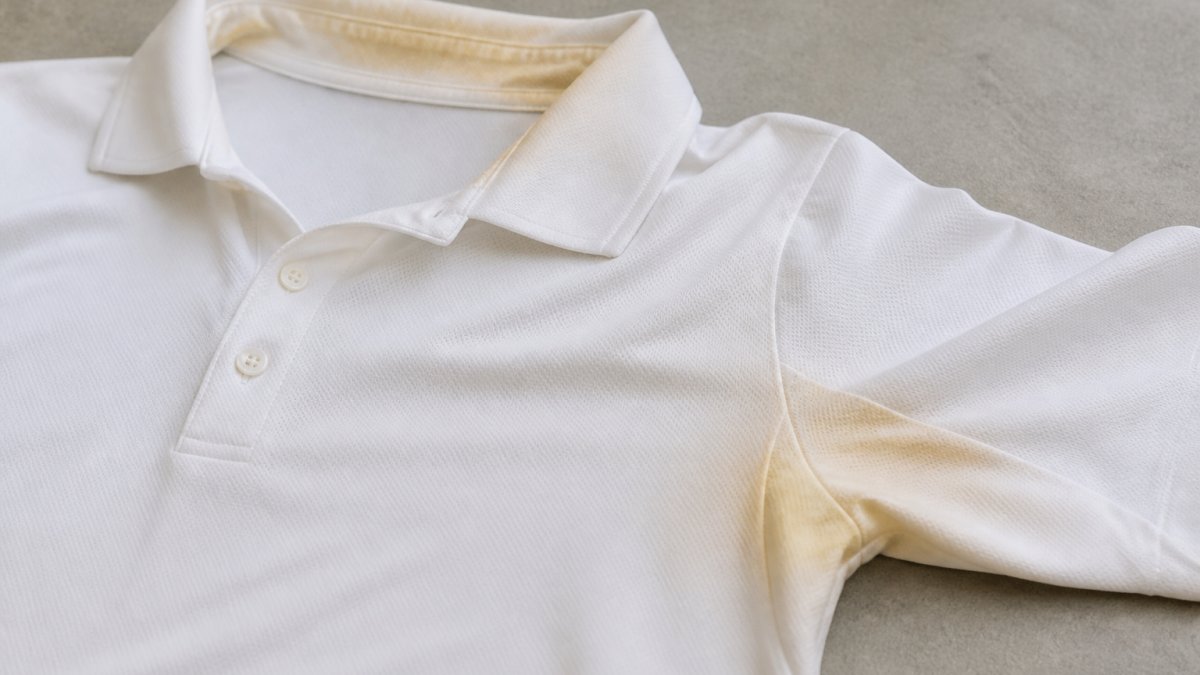
Old stains are harder to remove because they've had time to set. Heat from the dryer can actually lock stains in permanently. This is why timing matters. The sooner you treat a sweat stain, the easier it comes out.
Harsh chemicals can fade performance fabrics or break down the moisture-wicking technology that makes these shirts worth wearing in the first place.
What You'll Need Before You Start
Gather these items before you start treating sweat stains. Having everything ready means you won't rush or skip steps.
Basic supplies:
- Cold water (hot water sets protein-based stains)
- White vinegar
- Baking soda
- Hydrogen peroxide (3% solution)
- Oxygen bleach (like OxiClean)
- Laundry detergent (your regular brand works fine)
- Soft brush or old toothbrush
- Clean cloth or sponge
- Large bowl or bucket
Optional but helpful:
- Stain spray or pre-treat solution
- Enzyme-based laundry additive
- Spray bottle for mixing solutions
Don't use chlorine bleach on golf shirts. It damages synthetic fabrics and can turn yellow stains brown. Stick with oxygen bleach instead, it's gentler on performance materials.
Check your shirt's care label before starting. Some performance fabrics have special coatings that react badly to certain treatments. If the label says "no bleach," skip the hydrogen peroxide and oxygen bleach steps.
Step 1: Identify the Stain Type and Affected Areas
Look at your golf shirt under good lighting. Fresh sweat stains appear wet or damp. Old stains look yellow, brown, or dark gray. These colors tell you what you're dealing with.
Underarm stains are the most common. Sweat and deodorant mix here, creating stubborn yellow marks. Collar stains come from neck sweat and often look darker. Chest stains from heavy sweating during intense rounds need different treatment than underarm marks.
Check if the stain is still wet or completely dry. Fresh stains (less than a few hours old) respond quickly to simple treatments. Dry stains need more aggressive pre-treatment.
Feel the fabric around the stain. If it feels stiff or crusty, mineral buildup has set in. This means you'll need to soak the shirt, not just spot-treat it.
Look at the color of your shirt too. Light colors show stains more easily, but they're actually easier to treat with hydrogen peroxide. Dark colors hide stains but bleach-based treatments can fade them. For dark golf shirts, stick with vinegar and baking soda methods first.
Step 2: Pre-Treat Sweat Stains Before Washing
Pre-treatment is the most important step. Washing without pre-treating won't remove set-in sweat stains. Most stains need 15 minutes to several hours of treatment before they'll come out.
For fresh stains (less than 24 hours old):
Rinse the stained area with cold water immediately. This stops the stain from setting. Don't rub, just let water flow through the fabric.
Mix equal parts white vinegar and cold water. Spray or soak the stain with this solution. Let it sit for 30 minutes. Vinegar breaks down sweat salt deposits without damaging the fabric.
After 30 minutes, rinse with cold water again. If the stain is gone, wash normally. If it's still there, move to the next method.
For stubborn stains:
Make a paste from baking soda and cold water. Apply it directly to the stain. Let it sit for 1-2 hours. Baking soda absorbs sweat oils and neutralizes odor at the same time.
Gently brush the paste with an old toothbrush. Use light pressure, you're loosening the stain, not scrubbing it into the fabric. Rinse thoroughly with cold water.
How to Remove Yellow Sweat Stains From Shirts
Yellow sweat stains are mineral deposits mixed with deodorant. They need a different approach than fresh sweat marks.
Hydrogen peroxide method (for light-colored shirts):
Test hydrogen peroxide on a hidden part of the shirt first. Some performance fabrics fade with bleach-based treatments.
Apply 3% hydrogen peroxide directly to the yellow stain. Let it sit for 5-10 minutes.
If the stain is still visible, repeat the process. Don't leave peroxide on for more than 15 minutes total, as it can weaken synthetic fibers.
Oxygen bleach method (safer for all colors):
Mix oxygen bleach powder with cold water according to package directions. Soak the stained area in this solution for 2-4 hours.
Oxygen bleach is gentler than chlorine bleach and won't damage performance fabrics. It works on all shirt colors, including dark golf polos.
After soaking, rinse thoroughly and wash normally. You may need to repeat this step for stains that have been sitting for months.
Baking soda plus vinegar combination:
Make a thick paste from baking soda and white vinegar. Apply it to the yellow stain and let it dry completely (2-3 hours).
Once dry, brush off the paste gently and rinse with cold water. The vinegar smell will fade once the shirt dries.
How to Remove Old Sweat Stains From Clothes
Old stains need patience and multiple treatments. A stain that's been through several wash cycles has bonded deeply to the fibers. One treatment usually won't work.
The soak method:
Fill a bucket with cold water and add oxygen bleach or enzyme-based laundry additive. Submerge the entire shirt and let it soak for 8-12 hours or overnight.
Enzyme additives break down the proteins in old sweat. They work slowly but effectively. This is the gentlest method for removing stains that have set for months.
After soaking, rinse the shirt thoroughly. Check if the stain has faded. If it's still visible, repeat the soak for another 4-8 hours.
Repeat treatment approach:
Don't expect one treatment to remove a stain that's been there for months. Apply your chosen method (vinegar, baking soda, or hydrogen peroxide), wait the recommended time, rinse, and check.
If the stain is still there, apply the treatment again. Most old stains need 2-3 rounds of treatment before they disappear completely.
Never wash the shirt in hot water between treatments. Heat sets the remaining stain deeper into the fabric. Stick with cold water throughout the entire process.
When to stop trying:
If a stain doesn't fade after three rounds of treatment, it may be permanent.
| Treatment Method | Best For | Time Required | Repeat Needed |
|---|---|---|---|
| White vinegar | Fresh stains | 30 minutes | Usually not |
| Baking soda paste | All stains | 1-2 hours | Often |
| Hydrogen peroxide | Yellow stains on light shirts | 5-15 minutes | Sometimes |
| Oxygen bleach soak | Old, stubborn stains | 8-12 hours | 2-3 times |
| Enzyme additive | Protein-based stains | 8-12 hours | 2-3 times |
Does Hydrogen Peroxide Remove Sweat Stains
Hydrogen peroxide works well on yellow sweat stains, especially on light-colored golf shirts.
Peroxide works by oxidizing the stain, essentially bleaching it away. You'll see it bubble when applied to the stain. That bubbling action helps lift the stain from the fabric.
How to use it safely:
Test on a hidden area first. Apply a small amount to an inside seam or the back of the shirt. Wait 10 minutes and rinse.
Apply peroxide directly to the stain with a clean cloth or spray bottle. Let it sit for 5-10 minutes. Rinse thoroughly with cold water.
For stubborn stains, you can repeat this process up to three times in one session.
When NOT to use hydrogen peroxide:
Dark golf shirts can fade with peroxide treatment. Test first on these colors. If your shirt has a dark color or print, use oxygen bleach or vinegar instead.
Performance fabrics with special coatings sometimes react poorly to peroxide. Check the care label. If it says "no bleach," use gentler methods like vinegar or baking soda.
Peroxide is less effective on very old stains that have fully oxidized. For stains months old, oxygen bleach soaking works better.
How to Wash Moisture-Wicking Shirts After Stain Treatment
Washing instructions:
Use cold water only. Never use hot water, even after pre-treatment.
Add your regular laundry detergent. You don't need special products, standard detergent works fine.
Wash on a gentle or delicate cycle. Performance fabrics are durable, but aggressive washing can damage the moisture-wicking coating.
Avoid fabric softener. It coats the fibers and reduces moisture-wicking ability. Your Athletic Tech Polo performs best without softener.

Drying matters:
Air-dry your golf shirt whenever possible. Hang it in shade or lay it flat.
Never use a hot dryer.
If the stain is still visible after washing, don't dry the shirt yet.
Prevention going forward:
Change out of sweaty golf shirts immediately after your round.
Rinse the underarm and collar areas with cold water as soon as you get home.
Wash golf shirts separately from heavier items. Friction in the wash can drive stains deeper into the fabric.
Store clean shirts in a cool, dry place. Moisture and heat in storage areas can cause yellowing over time.
With the right techniques to remove sweat stains golf shirts, you don't have to let them ruin your gear.
Get started with the Athletic Tech Polo and experience gear that handles your toughest workouts without compromise. SHOP ALL GOLF
Frequently Asked Questions
How do you remove sweat stains from a golf shirt without damaging moisture-wicking fabric?
Start by pre-treating with a mixture of baking soda and water to form a paste, or use white vinegar diluted 1:1 with water. Apply directly to the stained area and let sit for 30 minutes. Avoid high heat and harsh chemicals that can break down the fabric's moisture-wicking technology. Rinse thoroughly in cold water before washing in your machine on a gentle cycle with cold water. Always check your shirt's care label first, most performance fabrics are safe with these household methods.
Does hydrogen peroxide remove sweat stains from golf shirts?
Yes, hydrogen peroxide works well on white and light-colored golf shirts. Mix a 3% solution with water in equal parts, apply to the stain, and let sit for 15-20 minutes before rinsing. It's particularly effective on yellow discoloration caused by deodorant buildup mixed with sweat. Test on an inconspicuous area first if your shirt has any color, as hydrogen peroxide can bleach darker fabrics. Rinse thoroughly with cold water to remove all residue.
What causes brown or yellow underarm stains on golf shirts?
Yellow or brown underarm stains result from a combination of sweat, deodorant (especially aluminum-based formulas), and body oils. When these substances bind to fabric fibers, especially in moisture-wicking materials, they create stubborn discoloration. The longer the stain sits unwashed, the more it sets into the fabric. This is why treating stains immediately after a round of golf, before washing, gives you the best chance of complete removal.
Should you use hot or cold water to wash a sweat-stained golf shirt?
Always use cold water for both pre-treatment and washing. Hot water can set protein-based stains (sweat contains proteins) permanently into the fabric and can damage the moisture-wicking coating on performance fabrics. Cold water prevents the stain from bonding further and is gentler on the technical fibers in your golf shirt. Save hot water only if you're rinsing after using hydrogen peroxide, to help remove any remaining chemical residue.