Table of Contents
- Sustainable Fabric Performance in Athletic Wear: The 2026 Baseline
- Moisture-Wicking Sustainable Fabrics: How They Move Sweat
- Recycled Polyester Performance Benefits: Strength, Stretch, and Thermal Regulation
- Durability, Microplastic Shedding, and End-of-Life Disposal
- How to Wash High Performance Apparel Without Killing the Fabric
- Sustainable Fabric Performance in Athletic Wear: Pros, Cons, and What to Ignore
- Frequently Asked Questions
Last Updated: September 15, 2026
Sustainable Fabric Performance in Athletic Wear: The 2026 Baseline
Sustainable fabric performance in athletic wear is the measure of how well eco-conscious materials, chiefly recycled polyester, organic cotton, and Tencel blends, handle sweat, heat, and repeated washing compared with conventional synthetics. The global sustainable athleisure market reached $117.37 billion in 2026, according to Straits Research market valuation, and it is projected to climb to $176.0 billion by 2030 per Grand View Research.
That growth changes the question: buyers no longer ask whether recycled gear exists, but whether it performs.
Below: how moisture moves through sustainable fabrics, where recycled polyester wins and where it needs scrutiny, and how to wash gear so it lasts. The gap between eco-friendly and high-performance has mostly closed; remaining differences live in fiber mechanics, not marketing.
Moisture-Wicking Sustainable Fabrics: How They Move Sweat
Moisture-wicking sustainable fabrics pull sweat off your skin using fiber structures that attract water on one side and repel it on the other, then spread it across the garment surface to evaporate fast. The mechanism is physical, not chemical, and works the same whether the polyester started as a bottle or crude oil.
Hydrophilic and Hydrophobic Fiber Mechanics
Wicking depends on two opposing properties: hydrophilic fibers attract and absorb water, hydrophobic fibers push it away. Blended knits place the hydrophilic layer against your skin and the hydrophobic layer outside, so sweat travels one direction and does not pool.
Capillary action does the rest. Narrow gaps between yarns act like tiny channels, and the tighter the knit, the faster the transfer. That is why a well-engineered recycled polyester knit can outperform a loose conventional one. An MDPI study on affordable cooling sportswear tested moisture-wicking and thermal regulation in eight athletes and found measurable differences tied to construction rather than fiber origin alone.
Recycled Polyester Performance Benefits: Strength, Stretch, and Thermal Regulation
Recycled polyester performance benefits start with the polymer: chemically identical to virgin polyester, it holds tensile strength and stretch recovery when engineered correctly. The variable is knitting and finishing, not feedstock.
Thermal regulation is where 2026 collections have moved fastest. Graphene knits, used for cooling performance, and Tencel blends, used for eco-luxury comfort, now appear in mainstream lines, according to Fitness Clothing Manufacturer's 2026 fabric technology report. The sustainable sportswear market is projected to grow at a 13.5% CAGR from 2026 to 2033, per LinkedIn Pulse industry analysis, largely on the back of these material advances.
Graphene Knits and Tencel Blends in 2026 Collections
Graphene knits conduct heat away from the body, helping in high-output training. Tencel blends add softness and breathability without sacrificing stretch. Neither is a gimmick, but neither is magic.
The Core Tech Training Short is made from plastic bottles and pairs a Coolmax liner with a lightweight shell, which is the kind of construction that keeps wicking and stretch recovery working after repeated use.

Durability, Microplastic Shedding, and End-of-Life Disposal
Durability is the honest weak point in recycled synthetics, and the research says so directly. A PMC study on aging in recycled versus conventional polyester investigated how sportswear materials hold up under environmental exposure and found that structural integrity over the long term is still under investigation. Recycled polyester is not automatically weaker, but the evidence on long-term aging is not settled.
What is settled: construction, not feedstock, decides how long a garment lasts. Yarn denier, knit density, and elastane-to-polyester ratio drive pilling, stretch loss, and seam failure far more than bottle origin. A 150-denier recycled polyester interlock with 12% elastane outlasts a 90-denier jersey with 22% elastane every time, even though both carry a "recycled" tag.
Microplastic Shedding: What the Wash Cycle Actually Releases
Microplastic shedding is the metric most guides skip and eco-conscious buyers ask about most. Every wash of a synthetic garment releases fibers into wastewater, and volume tracks knit construction more than fiber origin.
Fiber-shedding research commonly reports a single synthetic garment releasing hundreds of thousands to millions of microfibers per wash, with fleece and loose-knit jerseys at the high end and tight interlock knits at the low end. The variables that move the number most:
- Yarn type: Filament yarns shed far less than spun (staple) yarns, because there are no short fiber ends to break free.
- Knit density: Tighter, higher-gauge knits trap fibers in the structure and release fewer per cycle.
- Fabric softener and dryer sheets: Both coat fibers and weaken the yarn surface, increasing shedding on the next wash.
- Agitation and load size: A full drum with less mechanical friction sheds less per garment than a half-empty drum.
- Wash temperature: Cold water reduces fiber fatigue and slows the breakdown that produces loose microfibers.
Here the sustainable-versus-conventional comparison gets interesting: a well-built recycled polyester interlock can shed less per wear than a cheap virgin polyester jersey, because the knit matters, not the polymer origin. Practical takeaway: if shedding is your concern, buy tight knits, wash cold, skip softener, and use a mesh bag or wash filter.
End-of-Life: Compost, Recycle, or Landfill
Most guides stop at the material source and never explain what happens after the last workout. That gap matters, because end-of-life is where "sustainable" claims hold up or fall apart.
| Fabric | Compostable? | Recyclable? | Practical End-of-Life Path |
|---|---|---|---|
| 100% organic cotton | Yes, in industrial compost | Yes, via textile recyclers | Compost or donate; avoid landfill |
| 100% Tencel (lyocell) | Yes, in industrial compost | Limited | Compost if certified, otherwise donate |
| 100% recycled polyester | No | Yes, via mechanical or chemical recycling | Take-back programs, textile recyclers |
| Polyester-elastane blends | No | Difficult; elastane contaminates the stream | Donate, repair, or use brand take-back |
| Wool and merino blends | Yes, if untreated | Yes, via wool recyclers | Compost untreated, recycle treated |
The elastane problem is the one most buyers miss: even 5% elastane can make a garment unrecyclable through standard mechanical recycling, because spandex contaminates the polyester stream. That is why take-back programs often accept only 100% polyester or 100% cotton. If you want a garment actually recyclable at end of life, check the elastane percentage before buying.
| Concern | What Drives It | Practical Fix |
|---|---|---|
| Fiber shedding | Low yarn density, spun yarns, agitation | Wash in a mesh bag, cold cycle, full load |
| Odor buildup | Microbial growth in damp fabric | Antimicrobial finishes, dry promptly |
| Loss of stretch | Heat and tumble drying | Air dry, avoid high heat |
| End-of-life waste | No take-back program, elastane content | Buy durable, repair, donate, use brand take-back |
How to Wash High Performance Apparel Without Killing the Fabric
How to wash high performance apparel comes down to three rules: cold water, gentle cycle, and no fabric softener. Heat and softener residue clog the fiber channels that make wicking work, and once blocked, the garment stops moving sweat.
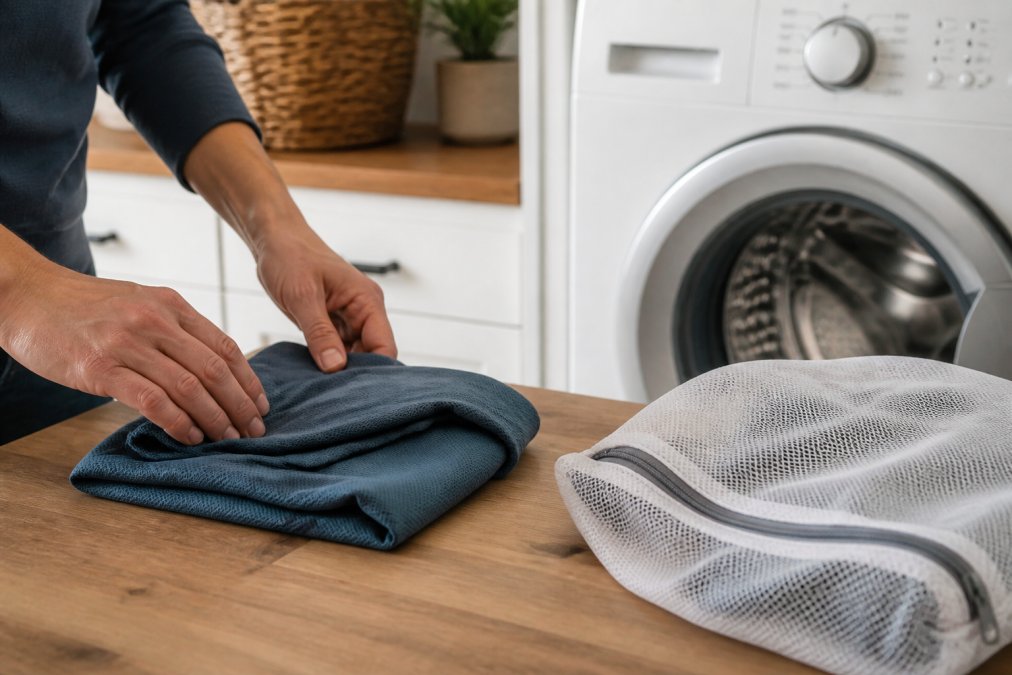
A Simple Wash-and-Dry Routine That Protects Fiber Integrity
The single biggest factor in how long performance fabric lasts is how you dry it. Cold washing helps, but air drying is what preserves stretch recovery and wicking channels over the life of the garment.
Sustainable Fabric Performance in Athletic Wear: Pros, Cons, and What to Ignore
Performance Testing Standards That Verify the Claims
The standards that matter most for activewear performance are:
How to Read a Sustainability Claim
Use this three-step check before you buy:
Frequently Asked Questions
Are sustainable fabrics as durable as traditional synthetic materials?
Often, yes, but the answer depends on the fiber blend and construction. Research published by PMC in 2025 is still investigating whether recycled polyesters hold the same structural integrity as conventional polyesters after long-term environmental aging. In practice, brands like Greatness Wins report that modern sustainable fabrics match or beat traditional synthetics on thermal regulation and moisture management while improving garment longevity. Look for tight knit construction, reinforced seams, and a fabric weight suited to your training intensity.
How does recycled polyester perform compared to virgin polyester?
Recycled polyester delivers the same core performance properties as virgin polyester: fast-drying, moisture-wicking, and high tensile strength. The recycled version comes from polymer recycling of plastic bottles, which cuts resource consumption and carbon footprint. The PMC 2025 study notes that recycled polyesters are still being tested for long-term aging behavior, so durability can vary by manufacturer. Greatness Wins uses recycled materials in pieces like the Core Tech Training Short, which combines a Coolmax liner with a lightweight 2-in-1 build.
Do sustainable athletic fabrics offer moisture-wicking properties?
Yes. Moisture-wicking sustainable fabrics use hydrophilic and hydrophobic fiber blends to pull sweat off the skin and spread it across the surface for fast evaporation. Natural fibers like organic cotton and Tencel can wick when engineered into the right knit structure, and recycled polyester is naturally hydrophobic. The MDPI 2023 study of eight athletes tested affordable cooling sportswear and confirmed that moisture-wicking and thermal regulation vary widely by fabric composition, so check the fiber blend before you buy.
How can I identify high-quality sustainable activewear?
Start with the fiber composition label. Look for recycled polyester, organic cotton, Tencel blends, or graphene knits, and check the percentage of each fiber. Next, examine the activewear construction: flatlock seams, gusseted panels, and consistent stretch recovery signal a durable build. Anti-odor properties and microbial growth control are also markers of quality, since they extend garment lifespan. Finally, test the return policy. Greatness Wins offers free returns within the U.S.