Table of Contents
- What Makes Fabrics Durable for Athletic Wear
- Quick Comparison: The 5 Best Fabrics Ranked by Durability
- 1. Polyester: The Performance Standard for Workout Clothes
- 2. Nylon vs Polyester Athletic Wear: Which Lasts Longer
- 3. Merino Wool and Natural Fibers for Premium Durability
- Best Fabric for Leggings and High-Wear Garments
- How to Wash High-Performance Apparel to Extend Lifespan
- Durability by Activity: Which Fabric Wins for Your Sport
- Frequently Asked Questions
Last Updated: October 8, 2026
What Makes Fabrics Durable for Athletic Wear
Durability in athletic wear comes down to fiber choice, fabric construction, and how you care for your gear. The best fabrics for durable athletic wear resist pilling, maintain their shape through hundreds of washes, and hold up to the stress of intense training.
Synthetic fibers like polyester and nylon provide improved breathability and durability compared to natural alternatives, according to a 2025 review published in Alexandria Engineering Journal. These engineered materials resist moisture absorption, which prevents the fabric degradation that cotton experiences. Fabric weight, knit structure, and how tightly yarns are woven all affect how long your athletic wear survives high-impact activities.
The real test isn't how a garment feels on day one. It's whether the fabric maintains its shape, color, and moisture-wicking properties after 50 washes, 100 washes, or a full season of heavy use.
Quick Comparison: The 5 Best Fabrics Ranked by Durability
| Fabric | Durability Rating | Best For | Key Advantage | Main Tradeoff |
|---|---|---|---|---|
| Polyester | 9/10 | High-impact training, running, cycling | Resists pilling, retains shape, quick-drying | Can trap odor without proper care |
| Nylon | 8.5/10 | Cross-training, lifting, team sports | Exceptional abrasion resistance, flexible | Slightly less breathable than polyester |
| Merino Wool | 8/10 | Cool-weather training, endurance sports | Natural odor control, temperature regulation | Higher cost, requires gentle washing |
| Spandex Blends | 7.5/10 | Leggings, fitted compression wear | Superior stretch recovery, maintains fit | Degrades faster than pure synthetics |
| Pima Cotton | 6.5/10 | Casual athletic wear, warm-weather training | Soft feel, natural breathability | Absorbs sweat, shrinks, loses shape |
1. Polyester: The Performance Standard for Workout Clothes
Polyester dominates durable athletic wear because it simply outlasts everything else in high-stress conditions. This synthetic fiber resists pilling, maintains its elasticity through hundreds of wash cycles, and dries faster than any natural alternative. Most high-performance activewear relies on polyester as its foundation for exactly this reason.
The Greatness Wins Core Tech Training Short uses super lightweight fabric and a Coolmax® liner, providing a gentle compressive feel as you stretch and move. It is made from plastic bottles and is suitable for cross-training, lifting, and running.

What makes polyester particularly durable is its resistance to abrasion. When you're doing burpees, sprinting, or sliding into base, the repeated friction breaks down weaker fabrics. Polyester absorbs this punishment without tearing or thinning. The fiber also resists UV damage, so your gear doesn't fade or weaken in sunlight.
The tradeoff: polyester can trap sweat odor if not washed properly. This is a care issue, not a durability issue. Wash in cool water, skip fabric softener, and odor won't accumulate.
2. Nylon vs Polyester Athletic Wear: Which Lasts Longer
This comparison matters because both fabrics dominate the market, yet they perform differently under stress. Nylon actually has superior abrasion resistance to polyester, making it the better choice for activities with high friction. Polyester edges out nylon in moisture management and quick-dry speed, making it better for sweat-heavy workouts.
Nylon wins in durability for contact sports, wrestling, and any activity where your gear rubs against mats, equipment, or other athletes. The fabric can take a beating without snagging or tearing. Polyester wins for runners and cyclists because it dries faster and resists pilling better. Neither fabric absorbs moisture like cotton does, which is why both maintain their structural integrity through repeated washing.
The real difference in nylon vs polyester athletic wear durability comes down to construction, not the fiber itself. A poorly constructed nylon garment will fail faster than well-engineered polyester. Stitch quality, seam reinforcement, and how the fabric is finished matter more than the base material. Nylon requires slightly more care during washing because it can develop a dull appearance over time if exposed to high heat.
For leggings and high-wear garments, nylon blended with spandex creates superior stretch recovery. The nylon holds its shape better than pure polyester blends, which is why many premium leggings use nylon as the primary fiber.
3. Merino Wool and Natural Fibers for Premium Durability
Merino wool breaks the stereotype that natural fibers are fragile. This premium material actually lasts longer than standard synthetics when cared for properly, and it offers durability advantages that synthetic fabrics cannot match. Merino resists odor naturally, maintains temperature regulation across seasons, and softens with washing instead of breaking down.
The durability advantage of merino comes from its fiber structure. Merino wool scales are tighter than regular wool, making the fabric more resistant to pilling and abrasion. It handles moisture differently than synthetic fibers: instead of wicking sweat away, merino absorbs it into the fiber without feeling wet.
Merino wool's main limitation is cost and care requirements. Machine washing in cool water is essential. Hot water causes shrinkage, and dryers destroy the fiber. For athletes training in cold weather or doing endurance sports where temperature regulation matters, merino delivers durability that outlasts cheaper synthetics.
Recycled polyester and organic cotton are gaining traction in athletic mesh fabric, according to Eternes-Tex's 2026 Trends in Athletic Mesh Fabric. These materials reduce environmental impact without sacrificing durability, though they don't outperform virgin polyester in longevity testing. The choice between premium merino and synthetic blends comes down to activity type and washing commitment.
Best Fabric for Leggings and High-Wear Garments
Leggings experience more stress than any other athletic garment. They compress against skin, stretch through full range of motion, and endure friction from equipment and surfaces. The best fabric for leggings combines nylon durability with spandex elasticity, typically in an 80/20 or 85/15 blend.
Nylon dominates premium leggings because it resists pilling better than polyester and maintains shape through hundreds of squats, lunges, and stretches. The fabric's natural elasticity means spandex requirements are lower, which extends the garment's lifespan. High-denier nylon (200+ denier) prevents see-through issues and adds durability.
Spandex itself degrades faster than the base fiber it's blended with. Pure spandex garments lose elasticity within 50-100 washes. Blended spandex (8-20% of the total fabric) lasts 200+ washes when paired with durable synthetics. This is why premium leggings use minimal spandex with maximum nylon or polyester.
The All-Purpose Essential Jogger from Greatness Wins is made with Pima cotton, a higher-end type of cotton with a longer fiber than conventional cotton, wrinkle-resistant and ultra-durable. It is your elevated old school cotton jogger!

Seam construction matters as much as fabric choice for leggings. Flat-lock seams prevent chafing and last longer than standard seams. Reinforced gussets prevent tearing in high-stress areas. These construction details determine whether your leggings last one season or three.
How to Wash High-Performance Apparel to Extend Lifespan
Fabric durability means nothing if you destroy your gear in the washing machine. High-performance athletic wear requires specific care to maintain elasticity, prevent pilling, and preserve moisture-wicking properties.
Turn garments inside out before washing. This protects the outer surface from friction and pilling. Wash in cold water with minimal detergent, synthetic fabrics don't require much soap to get clean. Hot water breaks down elastic fibers and causes synthetic fabrics to lose their shape faster.
Skip fabric softener entirely. Fabric softener coats fibers with wax that reduces breathability and accelerates odor buildup. For moisture-wicking to work properly, nothing should block the fabric's surface. Use a gentle cycle or hand-wash for premium pieces like merino wool or spandex-heavy leggings.
Dry on low heat or air-dry completely. High heat degrades elastic fibers and can melt synthetic fabrics. Hanging to dry preserves fabric structure better than any dryer setting. If you must use a dryer, use the lowest temperature and remove garments while slightly damp.
Wash less frequently than you think. High-performance fabrics stay fresher longer than cotton. Most athletic wear can be worn 2-3 times before washing, especially merino wool which resists odor naturally. This simple habit extends your gear's lifespan by 30-50% because you're reducing total wash cycles.
Durability by Activity: Which Fabric Wins for Your Sport
Different sports stress fabrics differently. Heavy lifting demands abrasion resistance. Running demands quick-dry and pilling resistance. Golf demands consistent fit and moisture management.
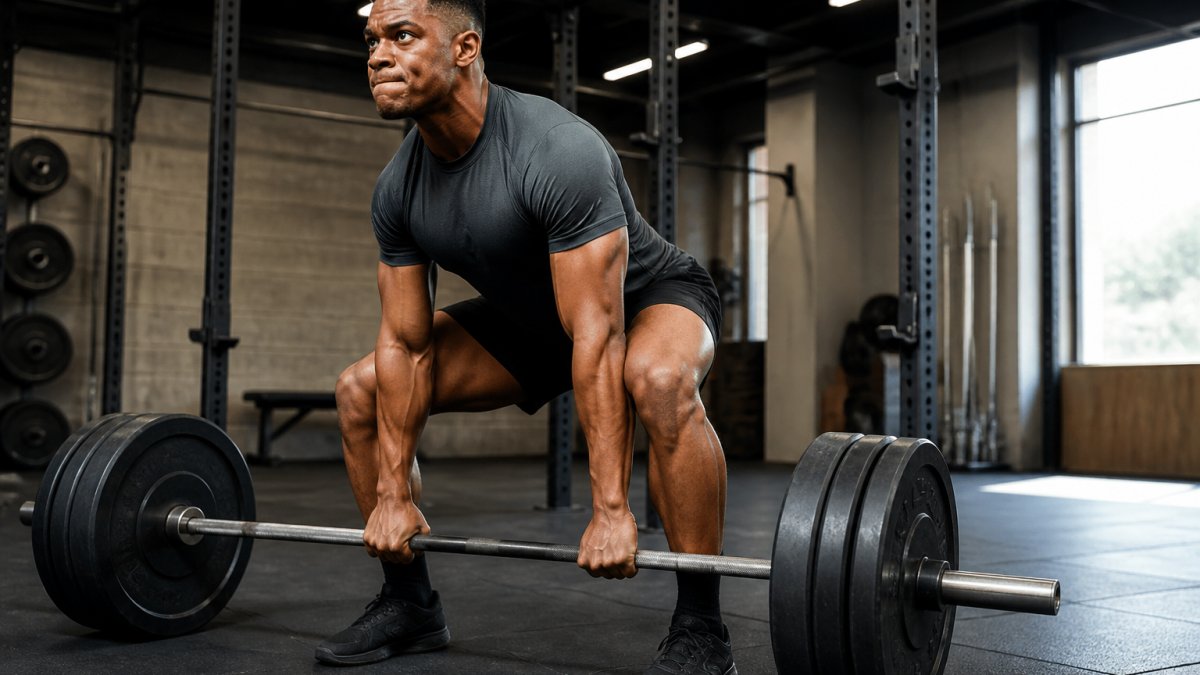
Heavy Lifting and Cross-Training: Nylon dominates here. The fabric resists the friction of barbells, plates, and equipment without snagging or tearing. Polyester works well but pills faster under constant friction.
Running and Endurance Sports: Polyester is the clear winner. Merino wool excels in cold-weather running because it regulates temperature without bulk. The Core Tech 5" Short features super lightweight stretch woven fabric and a Coolmax® performance jersey brief liner, providing a gentle compressive feel as you stretch and move.

Golf and Precision Sports: Consistent fit matters more than extreme durability.
High-Intensity Interval Training: Synthetic blends with 85% polyester or nylon and 15% spandex provide the stretch, durability, and quick-dry you need.
Team Sports: Nylon-heavy blends with reinforced seams handle contact, sliding, and repeated washing better than pure polyester. Basketball and soccer demand abrasion resistance that nylon provides.
The universal truth: durability scales with synthetic fiber content. The more polyester or nylon in your garment, the longer it lasts. The tradeoff is softness and natural feel.
Choosing durable athletic wear means understanding what your sport demands and what fabrics deliver. Polyester handles most training situations with exceptional durability and quick-dry properties.
At Greatness Wins, we build our performance apparel around these durability principles. The Core Tech Tee blends the ultra-soft double brush hand feel + durability and the perfect consistent fit.
Frequently Asked Questions
Which fabric is best for athletic wear that lasts the longest?
Polyester and nylon are the most durable fabrics for athletic wear. Polyester resists pilling, fading, and abrasion better than most materials and maintains stretch recovery through hundreds of washes. Nylon offers superior abrasion resistance, making it ideal for high-friction activities like CrossFit or weightlifting. For maximum durability, look for blends combining polyester with spandex, which preserve stretch and fit over time. Merino wool provides natural durability for cooler climates but requires gentler care than synthetics.
Is nylon or polyester more durable for athletic wear?
Both excel in different ways. Polyester is more durable against pilling, fading, and general wear, making it the better choice for frequent washing and everyday training. Nylon surpasses polyester in abrasion resistance, meaning it withstands rubbing and friction better, critical for heavy lifting, climbing, or sports with contact. For longevity in typical gym or running conditions, polyester edges out nylon. For high-abrasion activities, nylon wins. Many premium athletic pieces blend both fibers to capture each fabric's strengths.
How do you make athletic wear last longer?
Proper care dramatically extends athletic wear lifespan. Wash in cold water on a gentle cycle to prevent fiber breakdown and color fading. Turn garments inside out before washing to reduce pilling and surface abrasion. Avoid fabric softeners and bleach, which degrade synthetic fibers. Air dry whenever possible, heat from dryers weakens elastic and damages moisture-wicking coatings. Wash after every 2-3 wears for high-sweat activities to prevent odor-causing bacteria buildup. Store in a cool, dry place away from direct sunlight. These practices preserve stretch recovery and structural integrity for 100+ washes.
What is the best fabric for sportswear that resists sweat odor?
Polyester with moisture-wicking technology is the best choice for odor resistance. Polyester dries quickly, preventing bacterial growth that causes sweat odor. Synthetic fibers like nylon and spandex also resist odor better than cotton, which absorbs moisture and traps bacteria. Merino wool naturally resists odor due to antimicrobial properties, making it excellent for multi-day activities without washing. Blends combining polyester, nylon, and a small percentage of spandex (typically 5-15%) deliver the best combination of moisture management, quick-drying, and durability while keeping odor at bay.
Should I choose cotton or synthetic fabrics for durability?
Synthetic fabrics (polyester, nylon, spandex) are significantly more durable than cotton for athletic wear. Cotton absorbs moisture rather than wicking it, dries slowly, and loses elasticity after repeated washing. Synthetics maintain stretch recovery, resist pilling, and withstand 200+ washes without significant degradation. Cotton is soft and breathable but breaks down faster, especially under intense training. Premium options like Pima cotton offer longer fibers and better durability than standard cotton, but still underperform synthetics in high-performance conditions. For durable athletic wear, synthetic blends are the clear winner.