Table of Contents
- Understanding the Basics of Athletic Shorts for Running
- Best Inseam Length for Running Shorts
- Lined vs Unlined Running Shorts: What You Need to Know
- Moisture-Wicking Fabric and Material Technology
- How to Prevent Chafing While Running
- Storage, Pockets, and Waistband Design
- Fit, Comfort, and Performance Features to Prioritize
- Frequently Asked Questions
Last Updated: September 21, 2026
Understanding the Basics of Athletic Shorts for Running
Choosing the right athletic shorts for running requires understanding how specialized design differs from casual workout wear. According to 2XU's 2026 performance gear standards, the 5-inch inseam is the most popular choice for modern athletes, balancing coverage with freedom of movement. At Greatness Wins, we've analyzed what separates high-performance running shorts from standard athletic wear, and the difference comes down to engineered features that matter during high-mileage training.
When selecting athletic shorts for running, focus on six core elements: liner type, inseam length, waistband security, material composition, pocket design, and ventilation. Each affects performance during your run.
Best Inseam Length for Running Shorts
The ideal inseam length depends on your body type and running style, but data shows a clear pattern. According to 2XU's running shorts engineering guide for 2026, the 5-inch inseam is the most popular choice for the modern athlete. For marathon racing specifically, the 3-inch split short remains the industry standard, offering maximum range of motion during competitive efforts.
Inseam length affects performance, not just style. A 7-inch inseam restricts stride and bunches; a 3-inch works for sprinters but leaves distance runners exposed. The 5-inch inseam is the sweet spot for training and moderate-distance racing.
Height matters, but the real test is this: when you raise your knee to running height, the shorts shouldn't ride up more than an inch. If they do, go shorter; if restrictive, go longer.
Lined vs Unlined Running Shorts: What You Need to Know
Lined shorts come with an integrated brief or compression liner that serves as your underwear replacement. Unlined shorts require you to wear compression tights or underwear underneath. Most runners prefer lined shorts because they simplify your gear and eliminate the chafe risk that comes from layering.
Liner quality determines comfort during your run. A poor liner feels thin and creates friction; a quality liner like the Coolmax® performance jersey brief in Greatness Wins's Core Tech 5" Short ($69.00) provides gentle compression that keeps everything in place.

Unlined shorts appeal to runners wanting layering flexibility, but they increase chafe risk unless paired with quality compression underneath. For most runners, a good lined short eliminates this extra layer.
The liner should be smooth, breathable, and compressive. It should move with your leg, not against it. Bunching or pressure points signal a poor fit.
Moisture-Wicking Fabric and Material Technology
Moisture-wicking fabric pulls sweat away from your skin and moves it to the outer surface where it can evaporate. According to Dick's Sporting Goods 2026 running shorts selection guide, the shift toward moisture-wicking, quick-drying fabrics with minimal seams reduces chafing during high-mileage activity.
The best running shorts use synthetic fibers, polyester blends and spandex, because cotton absorbs sweat and holds it against skin, becoming heavy and creating friction. Synthetics dry in minutes rather than hours.
Greatness Wins's Core Tech shorts use lightweight stretch woven fabric from recycled plastic bottles. The four-way stretch moves with your body in all directions without restricting stride during explosive movements and long-distance running.
Look for anti-microbial fabrics that prevent odor and quick-dry capability.
Preserving Moisture-Wicking Performance Through Care
Washing Instructions Wash in cold water (60-80°F) with mild technical-fabric detergent. Avoid fabric softeners and bleach, which block moisture-wicking and degrade fibers. Turn inside-out and use a gentle cycle to protect seams and elastic.
Drying and Storage Air-dry your shorts whenever possible. Machine drying on high heat damages elastic and can melt synthetic fibers. Hang-dry in a well-ventilated area away from direct sunlight, which can fade colors and weaken fabric over time. If you must use a dryer, use the lowest heat setting and remove shorts while still slightly damp. Store shorts in a cool, dry place, moisture trapped in a gym bag or damp laundry basket promotes odor-causing bacteria growth and mildew.
Odor Management If your shorts develop persistent odor despite regular washing, soak them in white vinegar (1 part vinegar to 4 parts water) for 30 minutes before washing. The vinegar breaks down odor-causing bacteria without damaging fabric. Alternatively, use a specialized technical fabric wash designed to remove sweat buildup. Avoid scented detergents that mask odor rather than eliminate it, they can interact with sweat and create worse smells over time.
Elastic and Liner Longevity The waistband elastic and liner compression degrade with repeated washing and UV exposure. Extend their lifespan by washing less frequently if possible, many runners find that airing out shorts between runs eliminates the need for washing after every single use. When you do wash, ensure the waistband elastic is fully dry before wearing again, as damp elastic loses tension faster. Replace shorts when the waistband no longer provides secure fit or the liner loses compression and begins to bunch, typically after 12-18 months of regular training use, depending on washing frequency and mileage.
How to Prevent Chafing While Running
Chafing happens when fabric or skin rubs repeatedly against skin, creating friction that breaks down the outer layer. The best prevention strategy combines three elements: a quality liner, flatlock seams, and appropriate fit.
Flatlock seams are stitched flat against the fabric rather than creating raised ridges. Raised seams dig into your skin with every stride, especially around the inner thigh and shorts waistband. Flatlock construction keeps seams smooth and flush against your body.
The liner prevents chafing between your legs by creating a smooth surface that moves with your body. A poor liner bunches, shifts, or creates pressure points that lead to raw skin. The Coolmax® performance jersey brief liner in Greatness Wins shorts provides gentle compression that keeps the liner stable throughout your run.
Fit is the third factor. Shorts that are too tight compress your skin and create friction. Shorts that are too loose shift around and create movement friction against your thighs. The right fit sits snug without compressing, with the liner staying stable as you move.
| Prevention Strategy | How It Works | Result |
|---|---|---|
| Flatlock seams | Stitched flat to avoid raised ridges | Eliminates seam-related chafing |
| Quality liner | Smooth, compressive brief support | Prevents thigh-to-thigh friction |
| Proper fit | Snug without compression | Keeps shorts stable during stride |
| Moisture management | Quick-dry synthetic fabric | Reduces sweat-related friction |
Storage, Pockets, and Waistband Design
Modern running shorts have evolved to include secure storage solutions that keep your essentials in place. According to Shop Vitality's 2026 running shorts analysis, compression-style pockets that press items flat against the thigh or zip-secured pockets prevent bouncing during movement.
The waistband needs to stay put without cutting into your sides or riding down during your run. A quality waistband uses a combination of elastic and a drawstring for adjustability. The drawstring shouldn't be so tight that it restricts your breathing or creates pressure points around your abdomen. Look for waistbands with reflective elements that increase visibility during early morning or evening runs.
Pocket placement matters more than you'd think. A pocket on the back waistband works for keys or a small phone, but side pockets create uneven weight distribution that throws off your stride. The best pockets are integrated into the liner or positioned on the thigh where they don't shift during running.
Zip pockets offer maximum security for valuables, but they add weight and complexity. Compression pockets that press items flat against your thigh work well for minimal storage. Most runners don't need extensive storage, a simple key pocket and maybe a small phone pocket on the back waistband cover most needs.
Fit, Comfort, and Performance Features to Prioritize
The fit of athletic shorts for running determines whether you're comfortable for the entire duration of your workout. However, 'fit' is not one-size-fits-all. Different body types require different approaches to inseam length, waistband height, and liner coverage.
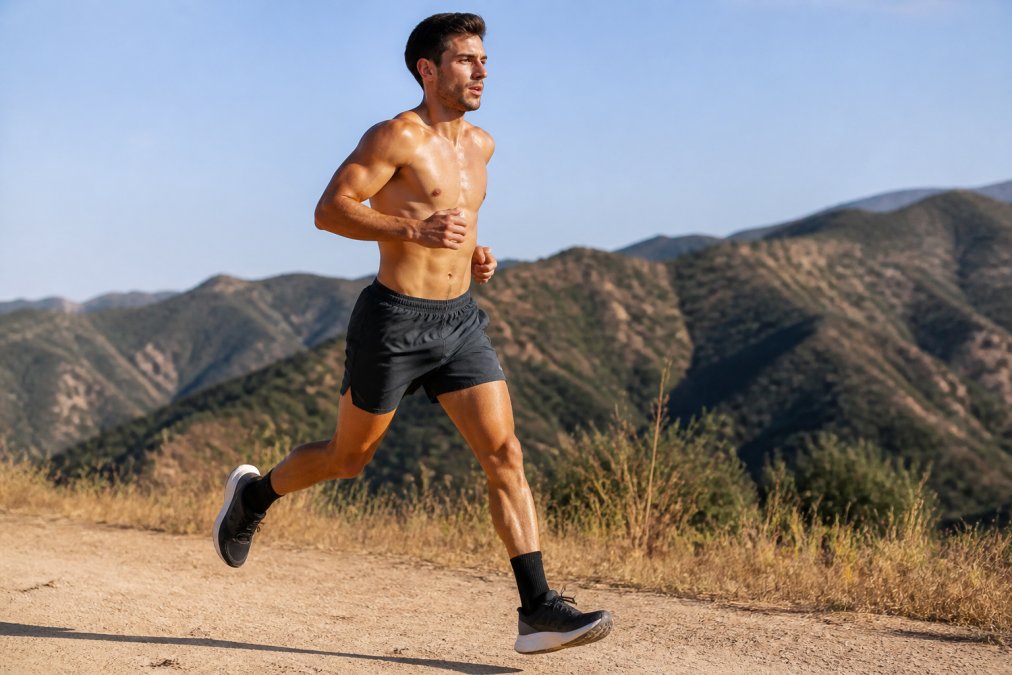
Athletic/Lean Body Type Runners with minimal hip flare and a straighter torso typically thrive with 5-inch inseams and mid-rise waistbands. The shorts sit naturally at the waist without excess fabric bunching at the hips. Liner compression is less critical for chafe prevention since there's less thigh-to-thigh contact. Focus instead on breathability and lightweight fabrics that won't add bulk.
Curvy/Pear-Shaped Body Type Runners with fuller hips and thighs benefit from 6-7 inch inseams that provide more thigh coverage and reduce the risk of shorts riding up during the stride. A high-rise or mid-rise waistband that sits above the hip bone prevents the shorts from sliding down.
Frequently Asked Questions
What's the difference between 5-inch and 7-inch inseams for running shorts?
The 5-inch inseam is the most popular choice for modern athletes, offering a balance between coverage and freedom of movement. A 7-inch inseam provides more leg coverage but can restrict your stride and create excess fabric. For marathon racing, the 3-inch split short remains the industry standard. Your choice depends on personal preference, body type, and the type of running you do, sprints versus long-distance endurance training.
Do running shorts need a liner, or should I choose unlined options?
Most runners benefit from shorts with a supportive liner, which provides compression, reduces chafing, and eliminates the need for separate undergarments. Liners like Coolmax® offer a gentle compressive feel as you stretch and move. However, some runners prefer unlined shorts for maximum breathability or if they plan to wear compression tights underneath. Lined shorts are generally recommended for high-mileage training and marathon preparation.
What fabric technology actually prevents chafing during long runs?
Moisture-wicking fabrics with minimal seams are essential for chafing prevention. Look for synthetic fibers like polyester blends and spandex that pull sweat away from skin and dry quickly. Flatlock seams reduce friction points, while anti-microbial treatments prevent bacterial growth that causes irritation. Additionally, compression-style pockets and secure waistbands keep shorts in place, preventing the movement and rubbing that causes chafing during extended training sessions.
How do I choose the right pocket style for running shorts?
Modern running shorts feature two main pocket types: compression-style pockets that press items flat against the thigh, and zip-secured pockets that prevent bouncing during movement. Compression pockets work best for minimal gear, while zip pockets offer better security for keys, phones, or gels. Consider your storage needs based on run distance and intensity, shorter runs may need less storage, while marathon training requires reliable, secure pockets.