Table of Contents
- Understand the Difference Between Preventing Sweat and Hiding Sweat Stains
- Step 1: Select the Best Fabrics for Sweaty Workouts
- Step 2: Choose Colors That Hide Sweat Stains
- Step 3: Prioritize Fit and Airflow for Moisture Management
- Step 4: Look for Sweat-Resistant Features and Construction Details
- Step 5: Apply How to Prevent Sweat Stains on Clothes Through Care and Laundering
- Match Your Athletic Apparel to Your Activity and Climate
- Frequently Asked Questions
Last Updated: October 9, 2026
Understand the Difference Between Preventing Sweat and Hiding Sweat Stains
Learning how to find athletic apparel that prevents sweat stains starts with a simple truth: no garment stops you from sweating.
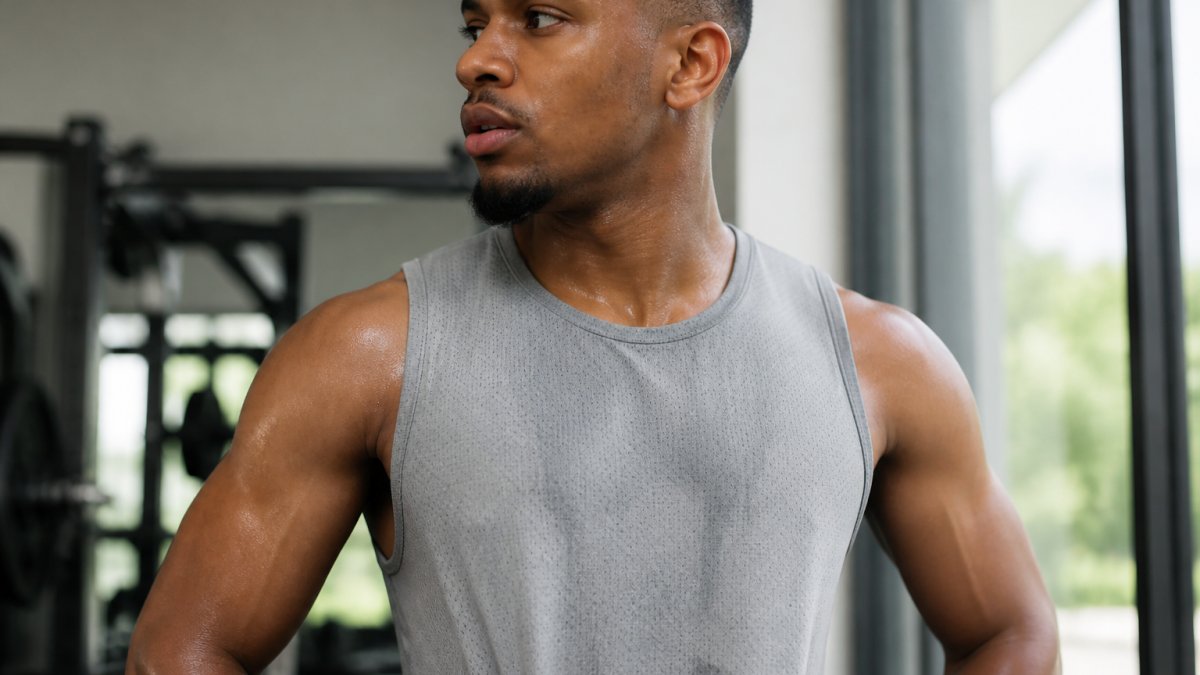
Prevention means choosing fabrics and construction that move moisture away from your skin so it dries quickly. Concealment means selecting colors, patterns, and fits that make visible moisture less noticeable.
The best approach combines three elements: fabric choice, garment construction, and color strategy.
Step 1: Select the Best Fabrics for Sweaty Workouts
Fabric choice is the biggest lever you control, but "pick polyester, avoid cotton" is incomplete: two 100% polyester shirts can behave differently depending on fiber shape, knit construction, and weight.
A practical comparison of common fibers
The table below reflects typical next-to-skin athletic behavior. Treat ratings as directional, since construction and weight shift results.
| Fiber | Dries | Breathes | Clings when wet | Shows wetness | Best for |
|---|---|---|---|---|---|
| Polyester | Fast | Moderate to high | Low | Low on dark, high on light | High-sweat training, most workouts |
| Nylon | Moderate to fast | Moderate | Moderate | Moderate | Durability-focused gear, cycling |
| Elastane (blend only) | N/A (blended) | Depends on blend | Adds stretch, not wicking | N/A | Stretch and recovery in blends |
| Cotton | Slow | Low when wet | High | Very high | Casual wear, not training |
| Rayon / viscose | Slow | Low when wet | High | High | Casual wear |
| Merino wool | Moderate | High | Low | Moderate | Cool-weather, odor control |
| Bamboo / bamboo blends | Slow to moderate | Moderate | Moderate | Moderate to high | Casual, light activity |
Key takeaways:
- Polyester dries fastest because the fiber is hydrophobic, so moisture sits on the surface and evaporates. It's the default for high-sweat gear.
- Nylon dries nearly as fast but clings more when saturated; it earns its place through abrasion resistance for cycling shorts and packs.
- Elastane is never the wicking layer. Added at roughly 5-15% for stretch, it traps heat.
Why construction matters as much as the fiber name
Look at these construction variables:
- Knit type. Jersey is smooth and light; mesh or birdseye has open gaps that move air and moisture faster; pique sits between.
- Fabric weight. Lighter fabrics (roughly 120-150 GSM) dry faster and feel cooler; heavier fabrics (180+ GSM) hold more moisture.
- Fiber cross-section. Some polyester uses channels or modified cross-sections to increase surface area and speed capillary movement.
How to read a fabric label quickly
In a store or on a product page, use this order:
- Find the fiber content. If cotton or rayon is first, it's a casual piece, not a training piece.
- Look for polyester or nylon as the primary fiber.
- Check for a small elastane percentage (usually 5-15%) if you want stretch.
- Look for words like "mesh," "birdseye," "pique," or "ventilated" in the construction description.
- If weight is listed, lighter is generally cooler and faster-drying.
Hunnit's guide on fabrics that worsen sweat stains makes the same core point: synthetic performance fibers move moisture, while cotton and rayon hold it against your skin.
The Greatness Wins Baselayer Tee and Baselayer Muscle Tank use lightweight synthetic construction with mesh ventilation in high-sweat areas.

The trade-offs nobody mentions
- Faster-drying fabrics often feel thinner, a real comfort trade-off.
- Synthetics can hold odor more than wool because bacteria cling to the oil-loving surface; anti-microbial treatments help but fade.
- Wool dries slower than polyester but manages odor better.
Step 2: Choose Colors That Hide Sweat Stains
Color strategy works alongside fabric choice.
**Dark colors, black, navy, charcoal, deep gray, ** absorb light and make wet patches less obvious.
Patterned fabrics break up moisture's visual impact.
Sweat-stain advice increasingly treats fabric, airflow, and color as complementary considerations rather than relying on color alone.
The key insight: color hides what's already there. Pair dark colors with moisture-wicking fabrics for the best results.
Step 3: Prioritize Fit and Airflow for Moisture Management
Fit affects how moisture moves across your body.
Fitted athletic wear works if the fabric is highly breathable and moisture-wicking.
Loose-fitting athletic shirts let air flow freely.
Mesh ventilation panels at underarms, back, and sides create airflow channels so heat and moisture escape instead of getting trapped.
Flat seams matter more than you'd think.
The Performance Training Tank from Greatness Wins features featherweight fabric designed for intense workouts and outdoor runs.

Step 4: Look for Sweat-Resistant Features and Construction Details
Premium athletic apparel includes features engineered to manage sweat and prevent stains.
Moisture-wicking thread in seams prevents moisture from wicking along the thread itself, which can create visible lines.
Anti-microbial treatments reduce odor-causing bacteria, keeping gear fresher longer between washes.
Quick-drying construction uses fabric weight and weave patterns that shed water quickly.
Flatlock seams reduce bulk and chafing and let moisture move freely without getting trapped in seam pockets.
The Baselayer Long Sleeve Tee from Greatness Wins includes mesh ventilation placed where you need it most, moving moisture away from your skin while maintaining coverage and support.

Step 5: Apply How to Prevent Sweat Stains on Clothes Through Care and Laundering
How you wash and care for athletic apparel affects its performance over time.
Skip fabric softener. It coats fibers and blocks moisture-wicking, destroying performance.
Air dry whenever possible. Dryer heat damages elastic fibers and weakens fabric structure.
Turn inside out before washing. This reduces fading and protects the outer surface where sweat shows most.
Wash with similar colors. Dye bleeding can create permanent stains that look like sweat marks.
| Care Step | Method | Impact |
|---|---|---|
| Water Temperature | Cold water only | Preserves moisture-wicking ability |
| Detergent Amount | Use 1/4 recommended dose | Prevents residue buildup |
| Fabric Softener | Skip entirely | Maintains breathability |
| Drying Method | Air dry, line dry | Protects elastic and fabric structure |
| Washing Approach | Turn inside out | Reduces fading and protects surface |
Match Your Athletic Apparel to Your Activity and Climate
Most guides give one set of rules for all workouts, but a shirt ideal for a humid outdoor run is wrong for an air-conditioned lifting session. Here's how to adjust fabric weight, construction, and color.
By activity
High-intensity interval training and CrossFit
- Sweat rate is highest here, often over a liter per hour for a trained athlete in a hot gym.
- Prioritize the lightest moisture-wicking fabric, roughly 120-150 GSM polyester or a polyester/elastane blend.
- Look for mesh panels at the underarms, upper back, and sides, the highest-sweat zones.
Running and cycling
- Running generates steady heat and high airflow. Lightweight polyester or a polyester/merino blend works well.
- Cycling is different: fixed position, often in sun, less airflow across the torso. Nylon blends resist abrasion from the saddle and shorts.
- For long rides, look for jerseys with rear ventilation panels and a full-zip front to dump heat on climbs.
Lifting and strength training
- Sweat rate is lower and more intermittent than cardio, but chalk, friction, and equipment contact matter.
- A slightly heavier fabric (around 150-180 GSM) resists abrasion from barbells and benches.
- Loose or relaxed fits are fine here because you rely on airflow between sets, not continuous wicking.
- Dark solid colors hide both sweat and chalk marks.
Golf, walking, and low-intensity fitness
- Sweat rate is low and intermittent. Standard moisture-wicking polos and tees suffice.
- Fit can be looser for comfort without sacrificing performance.
- Light colors are fine because visible sweat is minimal, and they reflect heat in direct sun.
Yoga, pilates, and indoor studio classes
- Sweat rate varies widely. The bigger issue is often cling and chafing, not visible stains.
- Look for soft, brushed synthetics with flatlock seams and a snug but not compressive fit.
- Dark, heathered, or subtly patterned fabrics hide both sweat and marks left by mats and equipment.
By climate
Hot and humid
- Humidity slows evaporation, so wicking alone isn't enough, you need airflow.
- Mesh panels become essential, not optional.
- Lightweight fabric (under 150 GSM) is the priority.
- Light colors reflect heat but show sweat; dark colors hide sweat but absorb heat. A common compromise is a light, breathable fabric with a busy pattern, or a medium tone like teal or burgundy.
Hot and dry
- Evaporation is fast, so sweat often dries before becoming a visible stain.
- Light colors work well because they reflect radiant heat and sweat dries quickly.
- Fabric weight matters less than in humid conditions.
Cool and dry
- Layering is the answer: a moisture-wicking base layer against skin, an insulating mid layer over it.
- Merino wool blends shine here, managing moisture and odor without feeling cold when damp.
- Avoid cotton base layers in cool weather; damp cotton pulls heat from your body.
Cold and wet
- Prioritize a wicking base layer and a water-resistant outer shell. The base layer moves sweat away so the shell doesn't trap it against you.
- Nylon blends beat polyester in wet conditions because they stay warmer when damp.
By setting
Indoor, air-conditioned gym
- You can wear slightly heavier fabric than outdoors because temperature is controlled.
- The main risk is sweat pooling under equipment straps and belts. Look for flat seams and reinforced panels at contact points.
Indoor, non-air-conditioned studio
- Treat it like a hot-humid scenario. Lightweight, breathable, mesh where possible.
Outdoor, direct sun
- Light colors reflect heat. Pair them with patterns or textures to reduce visible sweat.
- UPF-rated fabrics add sun protection without weight.
Outdoor, shade or evening
- Color matters less. Prioritize fabric performance and fit.
A quick decision path
- How much will you sweat? Low, moderate, or high.
- What's the climate? Hot-humid, hot-dry, cool, or cold-wet.
- What's the setting? Indoor controlled, indoor uncontrolled, or outdoor.
- Pick fabric weight first (lighter for more sweat and humidity).
- Pick construction second (mesh panels for high sweat, flatlock seams for chafe-prone areas).
- Pick color and pattern last, based on how much visible sweat you'll accept.
The Greatness Wins collection includes options built for basketball, CrossFit, cycling, lifting, and hiking, each cut and constructed for that activity rather than a single all-purpose design.
Frequently Asked Questions
What fabric is best for preventing visible sweat stains during workouts?
Synthetic fabrics like polyester, nylon, and elastane are your best choice. According to guidance on workout clothing, these materials wick moisture away from your skin rather than absorbing it like cotton does. Cotton and rayon trap sweat and make stains more visible, while synthetics help moisture evaporate faster. Look for athletic apparel labeled 'moisture-wicking' or 'performance fabric' to ensure you're getting material designed to manage sweat effectively.
Do moisture-wicking shirts actually prevent sweat stains?
Moisture-wicking apparel helps manage sweat by moving it away from your skin and speeding evaporation, but it doesn't eliminate sweat itself or guarantee stains won't show. Research on sweat and odor in sportswear notes that sweat-soaked fabric can still create visible marks. The key is combining moisture-wicking fabric with other strategies: choosing darker colors, selecting looser fits for better airflow, and using sweat guards in high-perspiration areas like underarms. Think of moisture-wicking as one tool in your toolkit, not a complete solution.
What colors hide sweat stains the least, and which work best?
Dark colors like black, navy, and charcoal hide sweat stains far better than light colors. White, light gray, and pastels show every drop of moisture. Patterned fabrics also help camouflage sweat marks better than solid colors because the design breaks up the visual appearance of wet spots. If you prefer lighter colors, choose busy patterns or textured fabrics that make moisture less obvious. Remember that color alone won't hide sweat, combine dark shades with moisture-wicking fabric and proper fit for the best results.
How should I care for athletic apparel to prevent permanent sweat stains?
Rinse your athletic gear in cold water immediately after your workout before sweat dries into the fabric. Wash in cool water with a sports-specific detergent designed to break down sweat salts and oils. Avoid fabric softener, which can reduce moisture-wicking performance. Air dry when possible, heat from the dryer can set stains permanently. For stubborn marks, soak the garment in a mixture of water and white vinegar or use an enzyme-based stain remover before washing. Proper care extends the life of your apparel and keeps moisture-wicking fabrics performing at their best.