Table of Contents
- The Three-Layer System for Winter Athletic Performance
- Best Moisture-Wicking Base Layers for Cold Weather
- Mid-Layer Selection: Insulation Without Bulk
- Outer Layer: Wind and Water Protection
- How to Prevent Overheating During Winter Exercise
- Winter Workout Clothing Essentials and Accessories
- Layering for Different Temperature Ranges
- Common Layering Mistakes to Avoid
- Frequently Asked Questions
Last Updated: October 1, 2026
The Three-Layer System for Winter Athletic Performance
The foundation of how to layer athletic wear for winter training rests on a simple but proven structure: base layer, mid-layer, and outer shell. This three-layer system isn't arbitrary. Each layer serves a specific function in managing moisture, maintaining body heat, and protecting against wind and precipitation. Guidelines from the National Center for Biotechnology Information's research on sports clothing thermoregulation emphasize that this layered approach optimizes both thermal regulation and athletic performance in cold conditions.
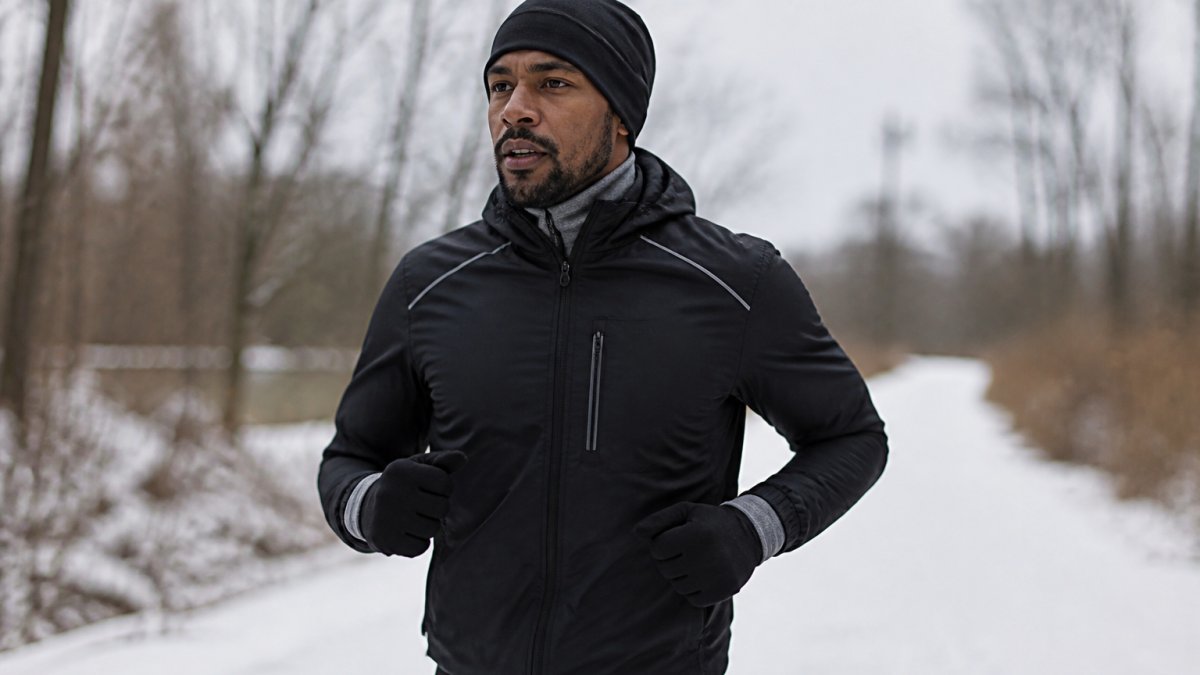
At Greatness Wins, we understand that layering isn't just about staying warm. It's about staying warm while maintaining mobility, managing sweat, and having the flexibility to adjust as your body temperature changes during intense training. The first layer pulls moisture away from skin. The second layer traps warm air. The third layer blocks wind and water. Together, they create a system that works across many temperatures and activities.
The three-layer system has become the industry standard precisely because it works. Whether you're running in 20-degree weather or cycling in freezing rain, this structure adapts to nearly every winter training scenario. Understanding how each layer contributes to overall performance is essential before selecting specific fabrics and garments.
Best Moisture-Wicking Base Layers for Cold Weather
Your base layer is the foundation of how to layer athletic wear for winter training. This layer sits directly against your skin and has one critical job: move sweat away from your body to the next layer. Moisture-wicking prevents sweat from pooling on your skin, which would cause rapid heat loss and discomfort. The best base layers use fabrics engineered specifically for this moisture transport function.
Synthetic materials like polyester and nylon excel at moisture-wicking. They dry quickly and maintain their performance even when saturated with sweat. Merino wool has gained popularity for cold-weather training because it naturally regulates temperature, resists odor, and provides some insulation while still managing moisture effectively. Both options work well, the choice depends on your preferences for feel, durability, and budget.
The Greatness Wins Baselayer Long Sleeve Tee ($49.00) demonstrates how effective base layer design works in practice. It features mesh ventilation placed in areas where you need it most, ensuring breathability without sacrificing coverage. The super lightweight fabric provides ultimate coverage without weighing you down, making it ideal for intense winter workouts where you need maximum freedom of movement.

Synthetic vs. Merino Wool Base Layers
Synthetic base layers dominate the market because they're affordable, durable, and perform consistently across different conditions. Polyester and nylon fibers are hydrophobic, they actively repel water and dry rapidly. This makes them reliable in wet conditions and after multiple washes. Synthetic materials also resist shrinkage and maintain their shape through extended use.
Merino wool offers different advantages. It's naturally antimicrobial, meaning you can wear it multiple times before washing without odor buildup. Merino provides some insulation even when damp, a property synthetics don't share. The downside is cost, merino wool base layers typically run 40-60% higher than synthetic equivalents. For athletes on a budget or those who prioritize maximum breathability, synthetics make more sense. For those willing to invest in longevity and comfort, merino wool justifies the premium.
The practical difference comes down to your training intensity and frequency. High-sweat athletes benefit from synthetic's superior moisture transport. Athletes training in very cold, dry conditions may prefer merino's insulating properties and odor resistance.
Mid-Layer Selection: Insulation Without Bulk
Your mid-layer traps warm air close to your body while allowing moisture to pass through to the outer layer. This is where insulation happens. The best mid-layers provide significant warmth without adding so much bulk that you lose mobility or overheat during high-intensity training.
Fleece remains the most popular mid-layer choice because it's lightweight, compressible, and provides reliable insulation. Wool mid-layers offer similar benefits with better moisture management. Synthetic insulating materials like polyester fleece are affordable and perform well. The key is selecting a mid-layer that balances insulation with breathability, you want to trap heat without trapping moisture.
The Greatness Wins Core Tech Hoodie ($110.00) combines ultra-soft double brush hand feel with durability, delivering the ultimate performance sweatshirt. Its construction supports the mid-layer role perfectly: providing insulation while maintaining the breathability necessary for sustained training. The hoodie's design ensures you stay warm without the restriction that comes from oversized or poorly constructed mid-layers.

Thickness matters, but it's not the only factor. A well-designed thin mid-layer often outperforms a thick, poorly ventilated one. Look for mid-layers with some stretch and articulated fit, these allow full range of motion without bunching or restricting your movements. For winter training, mid-layers should compress easily so you can remove them quickly if you start overheating.
3-Layer Quarter Zip Shell Jacket →
Outer Layer: Wind and Water Protection
Your outer shell is your barrier against the elements. Wind cuts through layers and steals body heat rapidly. Water, whether from precipitation or sweat that's escaped through your inner layers, accelerates heat loss. The outer layer prevents both. Effective shells are windproof, water-resistant, and breathable, they block elements while allowing moisture vapor to escape.
Many athletes make the mistake of choosing shells that are too heavy or too restrictive. The best shells are lightweight and packable, designed to move with your body rather than against it. Breathability is critical because a shell that traps moisture inside becomes as problematic as one that lets water in.
The Greatness Wins 3-Layer Quarter Zip Shell Jacket ($195.00) delivers exactly this balance. Its lightweight construction provides many activities and weather conditions without sacrificing protection. The simplified design prioritizes function over unnecessary features, allowing you to focus on your training rather than your gear.
For extreme conditions, consider the Greatness Wins Windbreaker Jacket ($165.00). It provides wind and water resistance with an ultra-lightweight hooded design. The blended recycled polyester spandex in a micro textured ripstop with PFC-Free DWR coating offers optimal and sustainable performance. Multiple pockets allow you to secure valuables, a practical feature often overlooked in performance gear.

How to Prevent Overheating During Winter Exercise
Overheating is one of the most common mistakes in winter layering. Athletes assume that because it's cold outside, they need maximum insulation. In reality, intense training generates significant heat. Without proper layering strategy, you'll sweat heavily, your layers become damp, and you lose the insulating properties you were counting on.
The solution is strategic layering that allows you to shed layers as your body warms up.
Winter Workout Clothing Essentials and Accessories
Beyond the three core layers, specific accessories make winter training significantly more comfortable and safer. Extremities lose heat rapidly, so protecting hands, feet, and head is essential. Winter-specific socks with moisture-wicking properties keep feet dry and warm. Gloves or mittens protect hands and maintain dexterity for activities requiring grip. A lightweight hat or headband prevents heat loss through your head while remaining packable if you warm up.
Layering for Different Temperature Ranges
How to layer athletic wear for winter training changes based on actual temperature. Your strategy at 40 degrees differs significantly from your approach at 10 degrees. Understanding these distinctions prevents both overheating and dangerous heat loss.
Common Layering Mistakes to Avoid
The most frequent mistake is choosing layers based on outside temperature alone rather than your actual training intensity. A runner generating significant heat needs different layering than a golfer walking between shots. Match your layering strategy to your activity level, not just the thermometer.
| Temperature Range | Base Layer | Mid-Layer | Outer Shell | Adjustments |
|---|---|---|---|---|
| 40-50°F | Lightweight synthetic | Light fleece (optional) | Skip or accessible | Remove mid-layer if overheating |
| 20-40°F | Moisture-wicking synthetic or merino | Fitted fleece or wool | Windproof shell required | Full system; shed as needed |
| Below 20°F | Synthetic or merino | Two thin layers or one thick layer | Heavy-duty shell | Consider additional insulation |
| Extreme cold | Merino or synthetic blend | Multiple mid-layers | Heavy shell with full coverage | Minimize exposed skin |
Frequently Asked Questions
What is the best way to layer athletic wear for winter training?
Use the three-layer system: a moisture-wicking base layer (synthetic or merino wool) against your skin, an insulating mid-layer (fleece or wool) for heat retention, and a windproof outer shell jacket for weather protection. This combination maintains thermal regulation while allowing sweat management and breathability. Ensure each layer fits snugly without restricting movement, and choose materials that complement each other's moisture transport properties.
How do I prevent overheating while training in winter layers?
Start with a lightweight base layer and avoid over-layering. Remove the outer shell jacket once your body heat rises during intense exercise. Choose breathable fabrics with ventilation zones, like mesh panels in key areas, to allow moisture evaporation. Monitor your core temperature and adjust layers before you feel too warm rather than after. For sustained high-intensity training, consider a thinner mid-layer or skip it entirely if your base layer provides adequate insulation.
What are the best moisture-wicking base layers for cold weather?
Synthetic base layers (polyester blends) dry quickly and excel at moisture transport, making them ideal for high-sweat activities. Merino wool base layers regulate temperature naturally and reduce odor, offering comfort for moderate-intensity training. The Baselayer Long Sleeve Tee from Greatness Wins ($49) features mesh ventilation in high-sweat areas and lightweight fabric for optimal breathability. Choose based on your sweat rate: synthetic for intense efforts, merino wool for sustained moderate activity.
Do I need all three layers for every winter workout?
Not always. For temperatures above 40°F, a single moisture-wicking base layer plus an outer shell may suffice. Below freezing, all three layers become essential. For temperatures between 30-40°F, test with a base layer and mid-layer first, adding the outer shell only if wind or precipitation occurs. Your activity intensity matters too, high-intensity training generates more body heat, so you may need fewer insulating layers than lower-intensity exercise.