Quick Summary
To prevent chafing, reduce friction with close-fitting, moisture-wicking clothing, keep skin as dry as you can, and apply anti-chafing balm to high-risk areas. Reapply on long runs, since sweat and motion wear the barrier off over time.
- Choose smooth, lightweight, close-fitting clothing that stays near the body.
- Avoid cotton, which holds sweat and stays wet on long runs.
- Apply anti-chafing balm to inner thighs, groin, underarms, and nipples before running.
- Reapply balm on long runs and carry it so you can reach it mid-run.
- See a doctor if chafed skin weeps, stays painful, or shows signs of infection.
Table of Contents
- Why Chafing Happens on Long Runs
- Choosing Close-Fitting, Moisture-Wicking Running Clothes
- How to Prevent Chafing in Groin Area Male Runners
- Preventing Running Chafing Thighs With Compression Shorts and Longer Inseams
- Applying Anti-Chafing Balm for Running Before and During Your Run
- A Reapplication Plan for Long Runs and Race Day
- How to Treat Chafing After Running
- Booking Your Next Long Run With Gear That Fits
- Frequently Asked Questions
Long-distance runners know the sting well. Thighs rub raw by mile twelve, the groin burns after a hot marathon, and a nipple or underarm can bleed before the finish line. Learning how to prevent chafing during long distance running is mostly about friction, moisture and fit, and you can control all three before you lace up. This guide walks through what causes chafing and how to stop it.
Chafing happens when two surfaces rub together over and over. Sweat makes the rubbing worse, because wet skin softens and tears more easily. Heat and humidity speed the process up. Most runners find the worst spots are the inner thighs, groin, underarms, nipples and feet.
Here is the short version:
- Reduce friction with fitted, smooth clothing
- Keep skin as dry as you can
- Apply anti-chafing balm to exposed risk areas
- Reapply on long runs and never skip your race-day plan
Why Chafing Happens on Long Runs
Chafing is a friction injury. Every stride, your thighs brush together and your shorts ride up or shift. Over hours, that repeated motion wears the skin down.
Sweat is the main accelerator. Damp skin is weaker and more prone to irritation. A run that starts dry can turn painful once your body warms up.
Watch out: ignoring early redness on a long run can turn a minor rub into raw skin that lasts for days. Stop and treat the area as soon as you feel it.
Chafing is often confused with blisters, heat rash or infection. If you see pus, spreading redness, warmth or fever, see a doctor rather than treating it at home.
Choosing Close-Fitting, Moisture-Wicking Running Clothes
Loose clothing moves against your skin and creates friction. Close-fitting clothing moves with you. Choose fabrics that pull sweat away from the skin rather than soaking it up. Learn how lyocell blends manage sweat to reduce friction.
- Pick smooth, lightweight fabrics that stay close to the body
- Avoid cotton, which holds sweat and stays wet on long runs
- Look for seams placed away from high-friction areas
- Check that tags and stitching sit where they will not rub
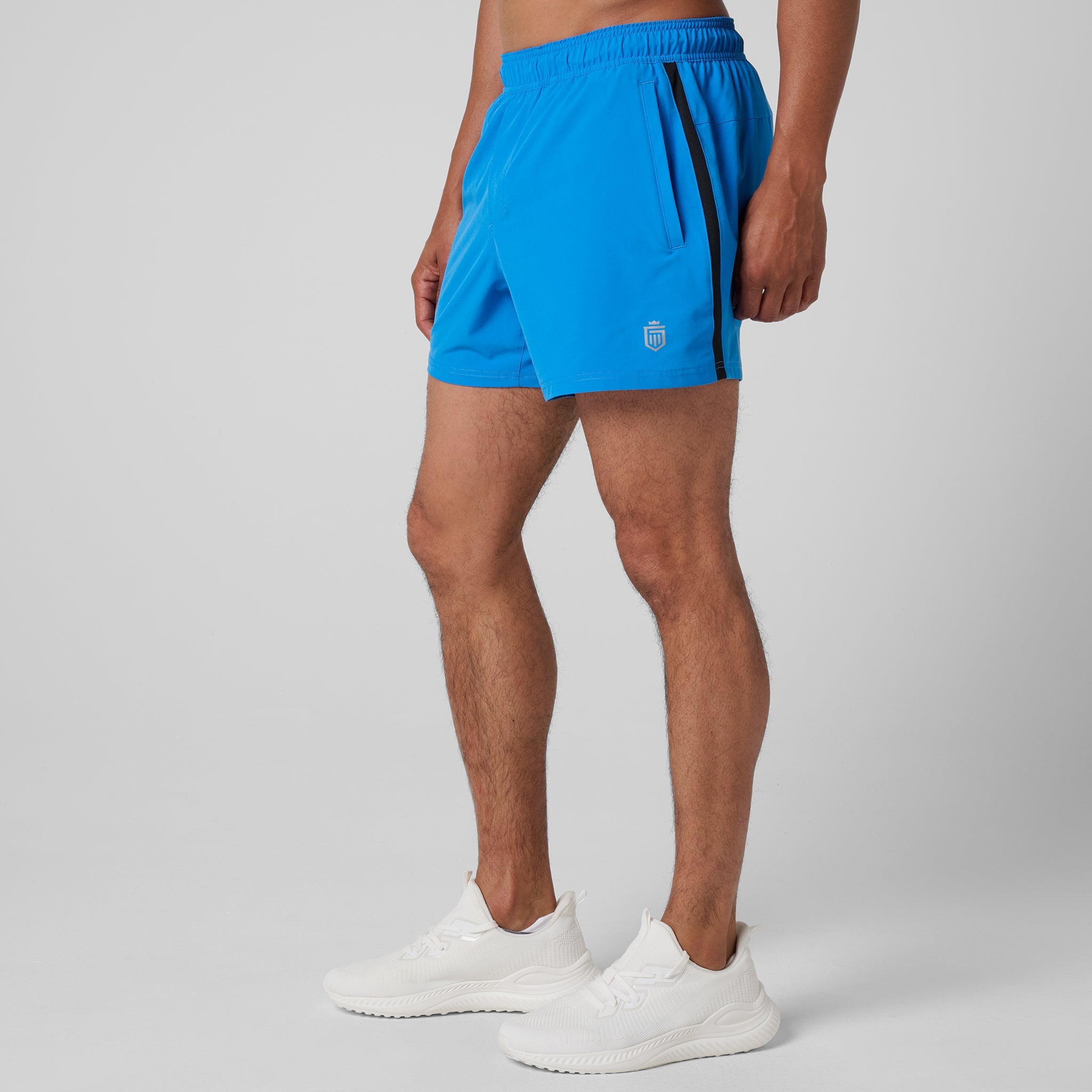
Our Core Tech 5" Short is built from a super lightweight stretch woven fabric with a Coolmax® performance jersey brief liner. The liner gives a gentle compressive feel as you move, and it has a 5-inch inseam. It is available at $69.00 in Sonic Blue and Ash Gray.
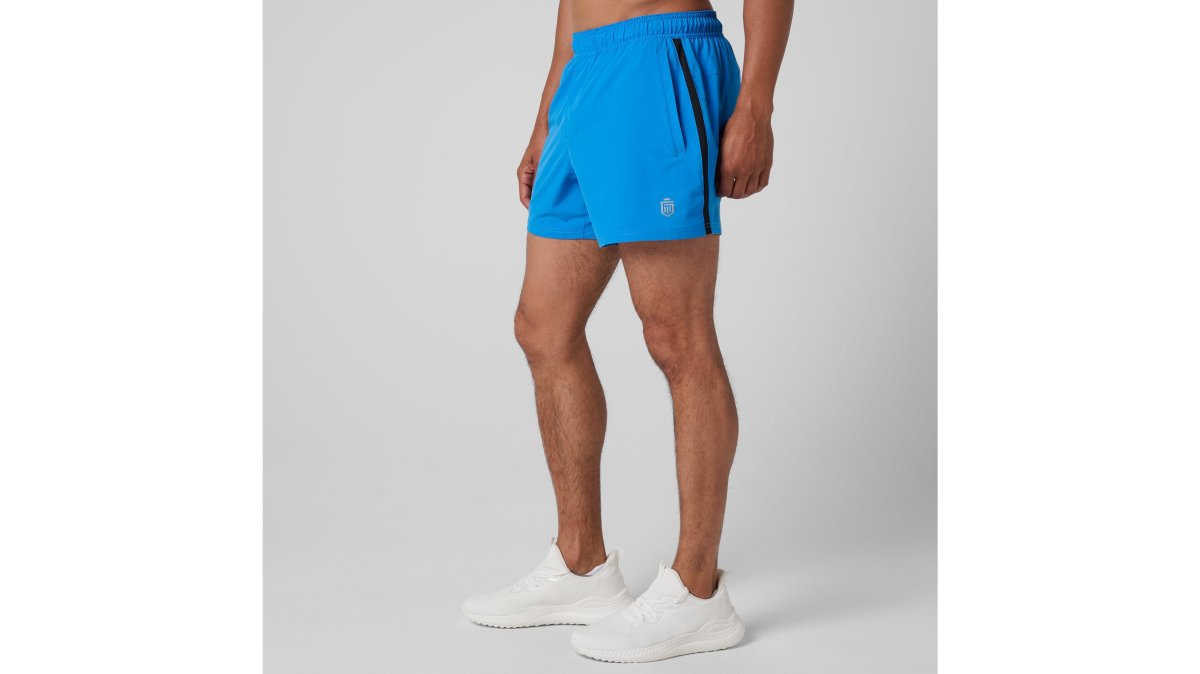
American Academy of Dermatology guidance on skin friction and irritation
How to Prevent Chafing in Groin Area Male Runners
The groin is one of the most common chafing spots for male runners. The inner thighs rub together and the seam of a loose short can dig in with every step.
A few steps reduce the risk:
- Wear a base layer short that sits close against the skin
- Choose shorts with a built-in liner so there is no loose fabric to rub
- Apply anti-chafing balm to the groin before you start
- Change out of sweat-soaked gear soon after the run
Our Baselayer Short is designed to help you stay cool and dry. Its mesh ventilation is placed in areas you need it most for added breathability, and its super lightweight fabric provides coverage without weighing you down. It costs $49.00.
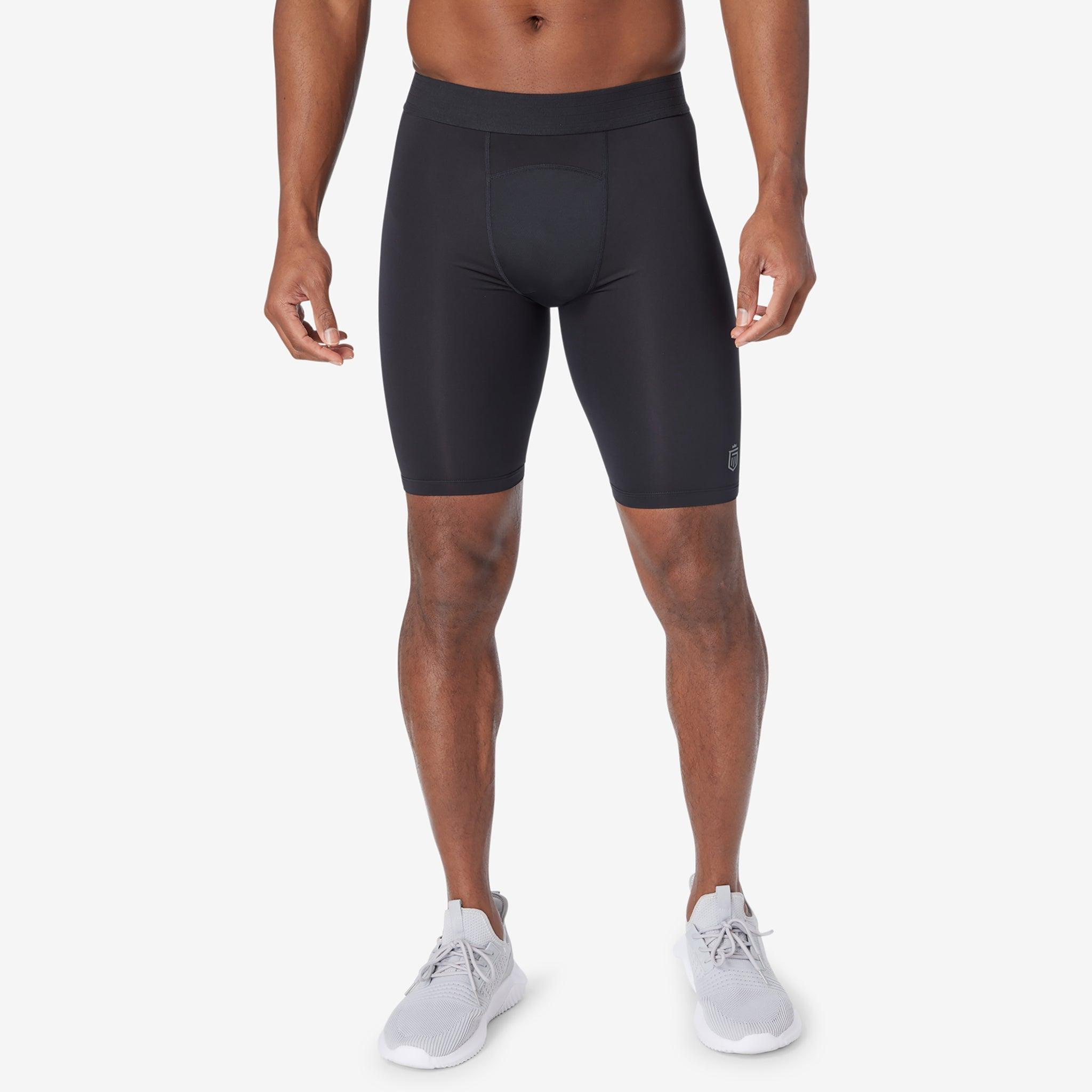
Preventing Running Chafing Thighs With Compression Shorts and Longer Inseams
Thigh chafing is the most frequent complaint on long runs. Compression shorts and longer inseams reduce the skin-to-skin rubbing that causes it.
- A longer inseam covers more of the thigh, so the fabric shields the skin
- A compression liner holds the fabric still against the body
- Tight-fitting shorts prevent the bunching that rubs thighs raw
Our Core Tech Training Short combines a 2-in-1 design with a Coolmax® liner for a compressive feel. It is made from plastic bottles and costs $69.00.
Applying Anti-Chafing Balm for Running Before and During Your Run
Anti-friction balm creates a barrier between skin surfaces. Apply it before you run to the areas that rub most, including the inner thighs, groin, underarms, nipples and any spot where a strap or seam sits. But not every product suits every body area or every condition, and choosing the right format is half the battle.
Here is how the main product types compare by use case:
- Balm and anti-friction sticks: Waxy and long-lasting, best for inner thighs, groin, and underarms. Sticks are cleaner to carry and reapply mid-run. Balms in a tub give more control over coverage but are messier in a pocket.
- Petroleum-based ointment: Heavy-duty and water-resistant, useful for nipples and feet in wet or humid conditions. It can stain clothing and may feel greasy on large areas, so use it where you need maximum staying power.
- Powder: Good for keeping skin dry in heat and humidity, especially under a sports bra or in skin folds. It offers less friction protection than a balm and can clump when wet, so it works best as a complement rather than a standalone barrier.
- Lotions and creams: Lighter and easier to spread over large areas, but they wear off faster. Better for shorter runs or as a base layer under a balm.
Not every product suits every body area, so the format you choose matters. Here is how the main types compare:
| Product type | Best for | Key difference |
|---|---|---|
| Balm and anti-friction sticks | Inner thighs, groin, underarms | Waxy and long-lasting; sticks are cleaner to carry |
| Petroleum-based ointment | Nipples, feet in wet conditions | Water-resistant but can stain and feel greasy |
| Powder | Heat, humidity, skin folds | Keeps skin dry but offers less friction protection |
| Lotions and creams | Shorter runs, base layer | Easy to spread but wear off faster |
A Reapplication Plan for Long Runs and Race Day
A single application rarely lasts through a marathon. Sweat and motion wear the barrier off, so a plan matters. The most common mistake is treating reapplication as an afterthought and discovering at mile 18 that the balm wore off ten miles ago.
Carrying supplies is where many runners get caught out. A small anti-friction stick fits in a shorts pocket, a running belt, or a handheld bottle pouch. Packets and single-use applicators are lighter but messier. Test your carry method on a long training run so you know it will not bounce, leak, or rub a new spot raw.
On race day, lay out your gear the night before, bring your balm to the start, and keep a spare in your pocket or belt. Know where the aid stations fall on the course and plan to reapply at one you can reach without breaking stride. If the course has limited aid access, carry enough product for the full distance. Wear the clothing you have already tested in training. A new short on race morning is a common cause of chafing.
Have a contingency for the unexpected. If rain soaks your gear, if the temperature climbs above forecast, or if you feel the first sting earlier than planned, reapply at the next opportunity rather than waiting for your scheduled checkpoint. A small stick weighs almost nothing and can save the second half of your race.
How to Treat Chafing After Running
See a doctor if the area stays painful, starts to weep, or shows signs of infection. Find out how to remove sweat stains from activewear so irritating residue does not sit against your skin.
Booking Your Next Long Run With Gear That Fits
Chafing is largely preventable. The right fit, fabric and balm plan cover most of the risk. Start with the basics: close-fitting, moisture-wicking shorts, a barrier balm, and a reapplication schedule for longer runs.
If you are ready to build your kit, browse our Core Tech 5" Short and Baselayer Short, then shop the Core Tech Training Short for longer efforts. Get geared up before your next long run and cover the friction points that matter most.
Frequently Asked Questions
How do you prevent chafing on long runs?
Choose close-fitting, moisture-wicking clothing with flat seams so there is less fabric movement against skin. Keep skin as dry as possible, since sweat increases friction.
What should runners put on their skin to prevent chafing?
An anti-chafing balm or lubricant is the most common choice because it reduces friction on contact points. Petroleum-based products and silicone-based balms both work well for most runners. Apply a generous layer to areas prone to rubbing before you dress, and check that the product is labeled for athletic use. If you have sensitive skin, test a small patch first to rule out irritation.
How do you treat chafing after running?
If you notice signs of infection, such as spreading redness, warmth, pus or fever, contact a healthcare provider rather than treating it at home.