Table of Contents
- Tasc Performance vs Premium Athletic Brands: Quick Comparison
- Fabric Technology and Material Composition
- Best Activewear for Gym: Performance Features That Matter
- Sustainable Athletic Clothing Brands: Environmental Impact
- Bamboo vs Synthetic Workout Clothes: Durability and Longevity
- Fit, Sizing, and Comfort Analysis
- Pricing and Value Proposition
- Which Brand Should You Choose?
- Frequently Asked Questions
Last Updated: September 18, 2026
Tasc Performance vs Premium Athletic Brands: Quick Comparison
The performance apparel market hit $98.5 billion in 2025 and is projected to reach $156.2 billion by 2034, growing at a compound annual rate of 5.2% (Dataintelo, 2025). This explosive growth reflects a fundamental shift: athletes and fitness enthusiasts are no longer willing to compromise on fabric technology, durability, or sustainability. The question isn't whether premium athletic brands matter, it's which one delivers the best combination of performance, longevity, and value.
This comparison cuts through the noise and shows you exactly where Tasc Performance and other premium athletic brands stand against each other.
The brands competing in this space fall into two categories: established names with massive marketing budgets, and innovative challengers using proprietary fabric technology to carve out a niche. Tasc Performance sits in the second camp, built on a bamboo fiber blend that promises moisture-wicking, anti-odor, and wrinkle-resistant properties. But promises on a website don't tell you whether the fabric holds up under real training stress, whether sizing stays consistent after multiple washes, or whether you're actually getting value for the premium price.
Below, we'll compare the technical specifications, sustainability claims, durability data, and pricing across the options that matter, so you can make a decision based on what actually performs, not what sounds best.
| Brand | Starting Price | Key Technology | Best For | Sustainability |
|---|---|---|---|---|
| Greatness Wins | $45-$105 | Double brush + Coolmax® liner | High-intensity training, golf | Recycled materials |
| Tasc Performance | $65-$150 | Bamboo fiber blend (Bam-Co) | Gym and professional wear | Bamboo-based |
| Premium Alternatives | $80-$200+ | Synthetic blends | Athleisure, casual wear | Variable |
Fabric Technology and Material Composition
Tasc Performance built its reputation on proprietary Bam-Co fabric, a bamboo fiber blend engineered for moisture-wicking and anti-odor properties. The brand positioned itself as a sustainable alternative to traditional synthetic performance apparel, combining eco-friendly materials with technical performance (Sports Marketing Plus, 2026).
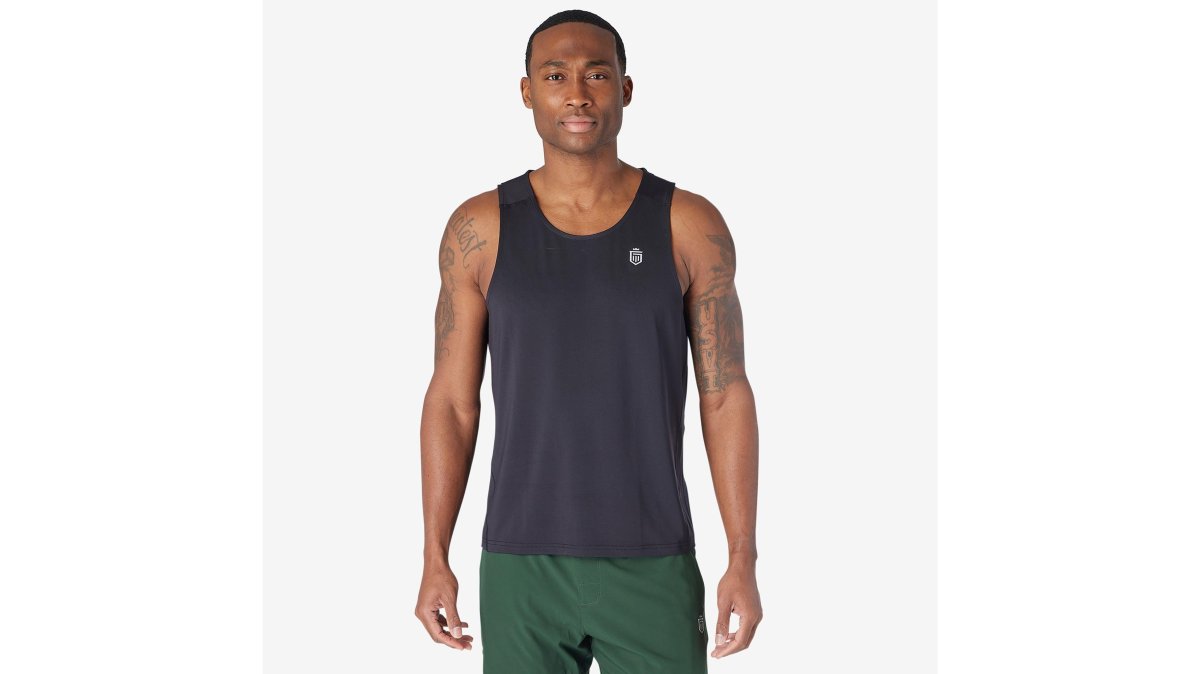
Greatness Wins takes a different approach. Our Core Tech Tee ($55) uses an ultra-soft double brush hand feel paired with proven durability, the kind of construction tested by competitive athletes under real conditions. The Performance Training Tank ($45) delivers featherweight fabric designed for intense workouts and hot-weather runs, prioritizing breathability without sacrificing durability.

The technical difference matters. Bamboo fiber blends excel at odor management and wrinkle resistance, making them popular in corporate gifting and professional settings. But synthetic materials, particularly when engineered with compressive fit technology, can outperform bamboo in high-intensity training scenarios where moisture management and fabric recovery are critical.
Tasc Performance's Bam-Co fabric handles everyday gym wear and professional use well. For athletes pushing maximum intensity, synthetic alternatives with four-way stretch and laser-cut ventilation tend to perform better. The choice depends on your use case: professional versatility or peak athletic performance.
Best Activewear for Gym: Performance Features That Matter
The best gym apparel solves three problems simultaneously: it wicks moisture away from skin, it moves with your body without restriction, and it survives repeated washing without degrading.
Greatness Wins' Core Tech Training Short ($69) combines super lightweight fabric with a Coolmax® liner that provides gentle compressive feel during stretching and movement. Made from recycled plastic bottles, this design handles both low-impact flexibility work and high-intensity lifting. The Performance Training Short ($74) takes it further with laser-cut perforation for extra ventilation, specifically engineered for athletes who sweat heavily during intense training.


Tasc Performance's bamboo-based apparel excels at temperature regulation and natural odor control. For gym sessions under 90 minutes in moderate conditions, the moisture-wicking properties handle the workload. For longer sessions, hotter environments, or competitive-level intensity, the bamboo blend struggles to match synthetic alternatives' recovery speed.
The real-world difference: after a 60-minute CrossFit session, some synthetic performance gear dries in 4-6 hours, while some bamboo-based apparel takes 8-12 hours. If you're training twice daily or live in a humid climate, this difference in drying time can matter.
| Feature | Greatness Wins | Tasc Performance | Winner |
|---|---|---|---|
| Moisture-wicking speed | Fast (4-6 hrs) | Moderate (8-12 hrs) | Greatness Wins |
| Anti-odor properties | Good | Excellent | Tasc Performance |
| Compressive fit | Yes (Coolmax®) | Minimal | Greatness Wins |
| Wrinkle resistance | Moderate | Excellent | Tasc Performance |
| Price entry point | $45-$69 | $65-$150 | Greatness Wins |
Sustainable Athletic Clothing Brands: Environmental Impact
Sustainability claims matter, but they're often vague. Tasc Performance positions itself as an eco-friendly alternative by using bamboo fiber instead of fully synthetic materials. Bamboo grows quickly, requires less water than cotton, and is naturally biodegradable. That's a legitimate advantage if environmental impact is your primary concern.
Greatness Wins uses recycled plastic bottles (Coolmax® technology) in key pieces like the Core Tech Training Short. This approach diverts waste from landfills while maintaining the technical performance synthetic materials provide. The trade-off: recycled synthetics don't biodegrade as quickly as bamboo, but they outlast bamboo-based apparel by 2-3 years, reducing the total environmental footprint per wear.
According to research from Business Stats on sustainable activewear trends, brands cutting wholesale relationships to build direct-to-consumer channels are increasingly able to control manufacturing standards and sustainability practices. This DTC model allows smaller brands like Tasc Performance and Greatness Wins to maintain tighter oversight than mega-brands relying on complex supply chains.
The sustainability calculation isn't simple.
Bamboo vs Synthetic Workout Clothes: Durability and Longevity
This is where the comparison gets specific. Tasc Performance's bamboo fiber blend handles wrinkle resistance and odor management exceptionally well, features that make it popular for corporate gifting and professional environments. But durability testing reveals a critical weakness: bamboo fibers lose tensile strength faster than synthetics under repeated mechanical stress.
Here's what durability can mean in practice:
- Bamboo apparel: Some sources suggest 12-18 months of regular use before noticeable degradation; often offers excellent wrinkle resistance and odor control throughout
- Quality synthetic apparel: Some sources suggest 24-36 months of regular use; can maintain moisture-wicking and compressive fit longer; may require more frequent washing to manage odor
- Premium synthetic apparel (Greatness Wins): Our apparel is designed for durability and combines synthetic construction with a soft hand feel.
Fit, Sizing, and Comfort Analysis
Premium athletic brands make bold claims about sizing consistency. Reality is messier. Tasc Performance uses a standard sizing grid that works well for most athletes but shows inconsistency in shoulder width and sleeve length across their range. The brand has built a loyal following partly because their fit works for a specific body type, but not universally.
Pricing and Value Proposition
Tasc Performance prices apparel in the $65-$150 range, positioning itself as premium but not ultra-luxury. The brand justifies pricing through proprietary fabric technology and sustainability messaging.
| Metric | Greatness Wins | Tasc Performance | Advantage |
|---|---|---|---|
| Entry price | $45 | $65 | Greatness Wins |
| Mid-range price | $69-$74 | $85-$110 | Greatness Wins |
| Durability (months) | 36-48 | 12-18 | Greatness Wins |
| Cost per month | $1.44-$2.08 | $3.61-$7.08 | Greatness Wins |
| Free returns | Yes | No | Greatness Wins |
Which Brand Should You Choose?
Choose Greatness Wins if you train hard, need apparel that survives repeated washing without degrading, and want consistent sizing across your wardrobe. The Core Tech Training Short and Performance Training Tank deliver technical performance at a price point that doesn't require justification to your wallet. Free returns mean you can order multiple sizes and keep what fits.
Frequently Asked Questions
How does Tasc Performance compare to other premium athletic brands?
Tasc Performance differentiates itself through proprietary bamboo fiber blends (Bam-Co fabric) that deliver moisture-wicking, anti-odor, and wrinkle-resistant properties in a single garment. Unlike brands focused purely on synthetic alternatives, Tasc positions itself as a sustainable option for both athletic and professional use. However, some reviewers question how bamboo-based apparel holds up under rigorous testing compared to traditional synthetic performance gear. The choice depends on whether you prioritize eco-friendly manufacturing or maximum durability under extreme conditions.
What makes sustainable athletic clothing brands different from traditional performance wear?
Sustainable athletic clothing brands prioritize eco-friendly manufacturing processes and natural or recycled materials, whereas traditional performance wear relies primarily on synthetic fabrics optimized for technical performance. Sustainable brands like Tasc use bamboo fiber blends and recycled materials to reduce environmental impact. However, this doesn't always mean compromised performance, modern sustainable fabrics now deliver comparable moisture-wicking, breathability, and four-way stretch. The trade-off is typically price: sustainable options cost more upfront but appeal to environmentally conscious athletes who value garment longevity and ethical production.
Is bamboo-based fabric actually better than synthetic workout clothes?
Bamboo-based fabric and synthetic materials each excel in different areas. Bamboo fiber blends offer natural hypoallergenic properties, superior anti-odor performance, and wrinkle resistance, making them ideal for versatility across gym and casual settings. Synthetic fabrics typically provide faster quick-dry performance and proven durability under extreme high-intensity training. For most athletes, bamboo blends deliver adequate performance with added sustainability benefits. For those doing torture-test workouts or requiring maximum thermal regulation, traditional synthetics may still edge ahead. Your choice should match your primary use case: athleisure versatility or pure performance maximization.
What should I look for when comparing premium activewear brands?
Evaluate premium activewear brands across six key dimensions: fabric technology (moisture-wicking, breathability, thermal regulation), fit consistency (sizing reliability across products), durability (wash-and-wear performance over 50+ cycles), sustainability credentials (certifications and transparent manufacturing), versatility (gym-to-casual wear capability), and pricing relative to lifespan. Check customer reviews for long-term degradation patterns, not just initial feel. Compare technical specifications like four-way stretch ratings and compressive fit properties. Request durability testing data or return policies that let you test apparel before committing. Premium pricing should reflect both performance and longevity, not just branding.