Table of Contents
- Premium Activewear Delivers Real Durability, Not Just Price
- The Cost-Per-Wear Advantage
- Benefits of High-Performance Fabrics
- How to Care for Premium Athletic Apparel
- Best Activewear for Gym Performance
- Fit, Compression, and Ergonomic Design
- Sustainability and Ethical Manufacturing Matter
- Conclusion
Last Updated: August 27, 2026
Premium Activewear Delivers Real Durability, Not Just Price
The premium activewear market is growing faster than ever. The luxury activewear segment is projected to expand at a compound annual growth rate of 13.50% through 2033, driven by increasing demand for high-quality, technologically advanced sportswear. But here's the uncomfortable truth most shoppers don't want to hear: paying more doesn't automatically guarantee better durability.
A study from the University of Leeds Institute of Textiles and Colour found something surprising. Researchers tested 47 t-shirts across price points and discovered no correlation between price and durability. Some expensive pieces were outperformed by significantly cheaper alternatives in pilling resistance, color fading, shrinkage, and overall appearance after repeated washing. That finding challenges the fundamental assumption many of us make when investing in premium gear.
So why premium activewear is worth it isn't about the price tag itself. It's about what you're actually getting for your money: engineered fabrics, precision construction, and design decisions that extend garment longevity far beyond what budget alternatives offer. Greatness Wins, for example, focuses on technical fabric engineering and consistent fit that delivers measurable durability. The real value lies in understanding the specific features that matter and knowing how to maintain them.
This guide breaks down the tangible reasons why premium activewear is worth it, moving beyond marketing claims to focus on durability, performance, and genuine long-term value.
The Cost-Per-Wear Advantage
Cost-per-wear is the metric that separates smart investments from impulse purchases. It's simple math: divide the price by the number of times you'll realistically wear the piece.
A $120 premium shirt worn 200 times costs $0.60 per wear. A $40 budget shirt worn 50 times before losing shape or fading costs $0.80 per wear. The premium option wins, even at triple the price.
Premium activewear typically maintains its shape, color, and performance for significantly longer than budget alternatives. The math compounds when you consider your actual behavior. Most people don't rotate through dozens of workout outfits. They have favorites they wear repeatedly. A high-quality piece you reach for three times a week will deliver far better cost-per-wear than cheaper options you retire after a few months because they've lost their fit or faded.
According to U.S. Premium Sportswear Market Size & Outlook, the premium sportswear market in the United States is expected to reach $47.5 billion by 2030, growing at 8.2% annually. That growth reflects consumers increasingly recognizing that durable, well-constructed pieces justify their upfront cost. The category wouldn't be expanding this consistently if the value proposition didn't hold up to real-world use.
Benefits of High-Performance Fabrics
High-performance fabrics are where premium activewear separates from standard athletic wear. The difference isn't just comfort, it's engineering.
Budget activewear often uses basic synthetic fibers that trap moisture and degrade quickly. Premium brands invest in technical textiles designed for specific functions: moisture-wicking that actually pulls sweat away from skin, breathability that prevents overheating, and compression technology that supports muscle groups during intense movement.
Moisture-wicking works through fabric construction. Premium materials like Coolmax fiber (used in Greatness Wins' Core Tech Training Short) use a cross-sectional design that moves moisture to the fabric's outer surface faster than standard polyester. The result: you stay drier during intense training, which means better performance and less odor accumulation.

Four-way stretch fabrics offer another tangible benefit. Unlike standard two-way stretch that moves only forward and backward, four-way fabrics stretch in all directions, accommodating dynamic movement without restriction. This matters when you're moving through a full range of motion, lifting overhead, rotating through your golf swing, or performing explosive movements. The ergonomic design reduces the constant micro-adjustments your body makes to compensate for restrictive fabric.
Flat-lock seams represent another engineering choice that separates premium construction. Instead of traditional stitched seams that can chafe and create pressure points, flat-lock seams are designed to lie flat against skin. During high-intensity workouts, this prevents the friction that leads to irritation and discomfort.
According to research from North America Athletic Wear Market Size & Forecast, professional athletes and health-conscious consumers are willing to pay premium prices for activewear offering excellent performance benefits, including moisture management, temperature control, odor reduction, and compression technology. These aren't luxury extras, they're functional features that directly impact performance and comfort.
How to Care for Premium Athletic Apparel
Premium activewear demands specific care to maintain its performance properties and durability. Washing it like regular clothes accelerates degradation.
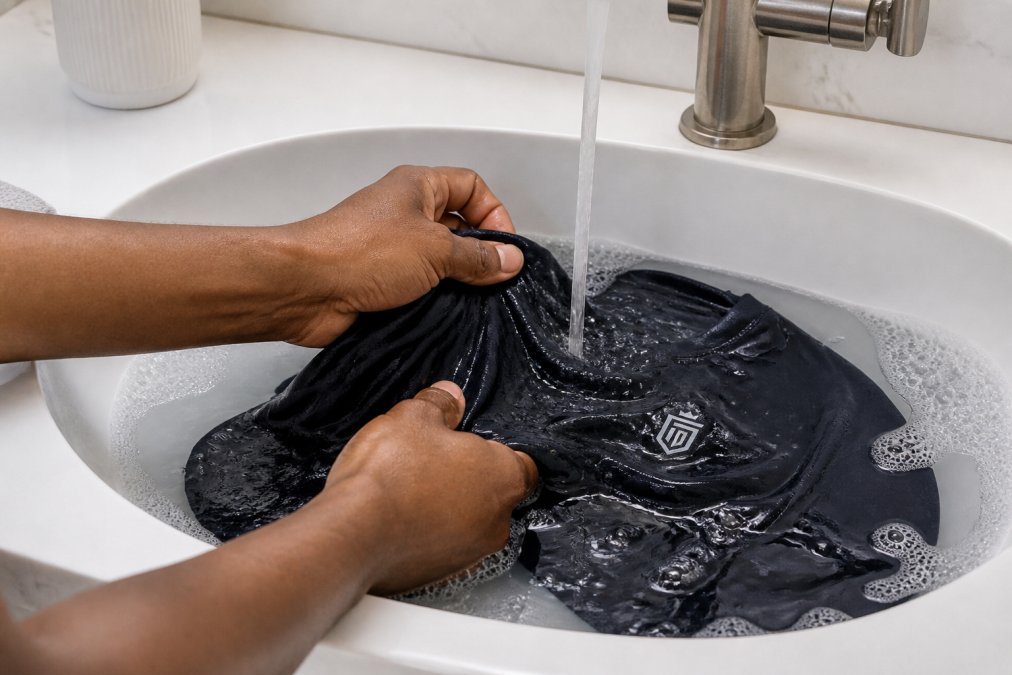
Start with temperature. Wash in cold water, never hot. Heat degrades elastic fibers and synthetic fabrics faster than anything else. Cold water preserves the stretch and compression properties that make premium activewear perform.
Detergent choice matters more than most people realize. Standard laundry detergent contains enzymes and chemicals designed to break down oils and stains, which also breaks down the technical properties of performance fabrics. Use a gentle, technical-fabric detergent or a mild soap specifically formulated for activewear.
Avoid fabric softeners entirely. They coat fibers and reduce breathability and moisture-wicking. The same goes for bleach, which degrades synthetic fibers and fades colors quickly.
Drying method directly impacts shape retention. Air drying preserves elasticity far better than machine drying. If you must use a dryer, use the lowest heat setting. Many premium brands recommend avoiding the dryer completely, the heat breaks down elastic fibers and causes shrinkage.
Frequency of washing extends garment life. Wash less often than you think. Most athletic wear doesn't need washing after every single wear, especially if you're not visibly sweating heavily. Washing every two to three wears reduces stress on fibers while maintaining hygiene.
Storage matters too. Store activewear flat or on hangers, never in tight bundles. Tight storage creates creases that can weaken fibers over time and distort shape retention.
This care routine sounds elaborate, but it's the difference between a premium piece lasting two years and lasting six months. Greatness Wins' Core Tech Jogger and Core Tech Training Short are engineered for durability, but that engineering only delivers results if you're maintaining the garments properly.

Best Activewear for Gym Performance
Choosing the right activewear for gym performance requires matching fabric technology to your workout intensity and movement patterns.
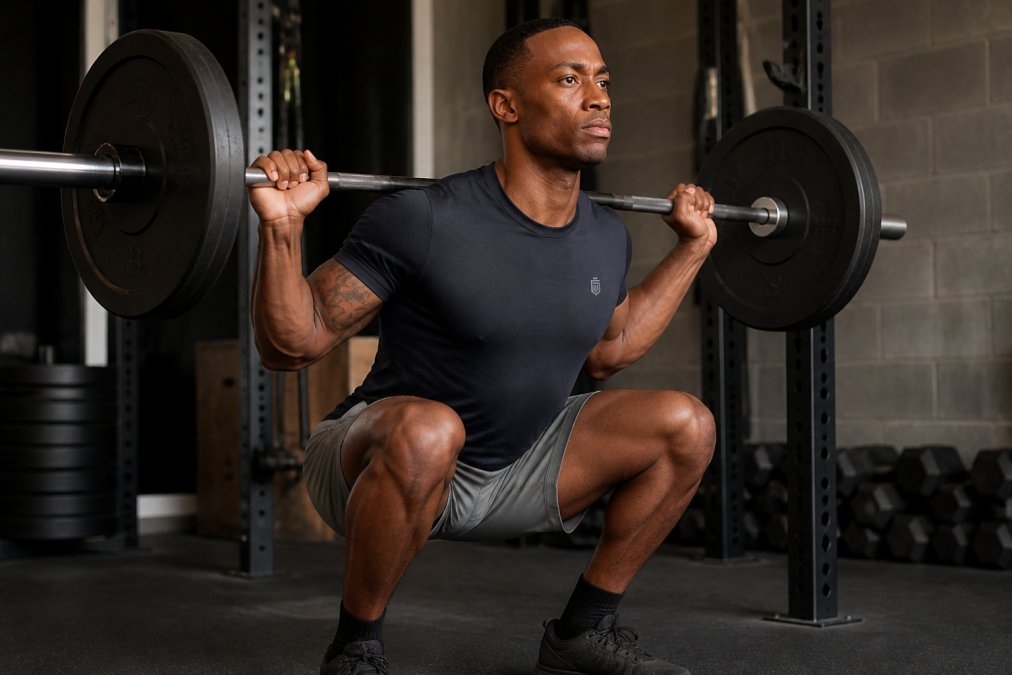
For high-intensity training, you need moisture-wicking that actually performs and compression that supports muscle groups without restricting movement. The Greatness Wins Core Tech Tee ($55) combines ultra-soft double brush hand feel with durability and consistent fit, tested by competitive athletes and designed for cross-training, lifting, and cycling. The fabric engineering prioritizes breathability and performance during intense workouts.
For lower-body training, shorts with built-in compression liners provide support without the bulk of separate compression wear. The Greatness Wins Core Tech Training Short ($69) features a super-lightweight fabric with a Coolmax liner that provides gentle compression as you move. Made from recycled plastic bottles, it delivers both performance and sustainability without compromising durability.
The Performance Training Tank ($45) addresses a specific need: featherweight fabric for intense workouts or outdoor runs in hot conditions. When you need maximum breathability without sacrificing durability, this tank delivers. The construction prioritizes airflow while maintaining the structural integrity that prevents stretching and fading.
For training that extends beyond the gym, running, hiking, or mixed-modal workouts, the Core Tech Jogger ($105) bridges the gap between performance and everyday wear. The ultra-soft double brush hand feel combined with durability makes it suitable for training and recovery wear. The consistent fit ensures it performs the same way across repeated washes.
The key to selecting best activewear for gym performance is matching the specific fabric technology to your training style. High-intensity interval training demands superior moisture-wicking. Strength training benefits from compression and four-way stretch. Running and outdoor training require durability and breathability together.
According to Cotton Incorporated Lifestyle Monitor Survey, 67% of U.S. consumers prioritize performance features when purchasing activewear, including tops, pants, and shorts. That preference reflects a genuine shift toward function over fashion, people want gear that performs during workouts, not just looks good.
Fit, Compression, and Ergonomic Design
Fit precision separates premium activewear from budget alternatives. A shirt that fits wrong restricts movement, causes chafing, and forces your body to compensate with muscle tension that increases fatigue.
Premium brands invest in fit development across multiple body types and movement patterns. They test garments through actual workouts, not just static fitting. The goal is consistency, the same size should fit the same way across multiple pieces and seasons.
Compression technology serves a specific function beyond aesthetics. Graduated compression supports muscle groups, improves blood flow during intense training, and reduces muscle oscillation that causes fatigue. But compression only works if the fit is precise. Too loose and it doesn't compress. Too tight and it restricts movement and circulation.
Ergonomic design means the garment is constructed to match how your body actually moves, not just how it looks standing still. Seams are placed to avoid pressure points during dynamic movement. Armholes are cut to allow full overhead range of motion without restriction. Inseams account for the way your legs move during running or jumping, not just how they hang at rest.
This level of design detail requires testing and iteration. It's expensive. Budget brands skip it because the cost doesn't justify the retail price point. Premium brands build it in because their customers will notice the difference immediately and wear the piece repeatedly.
Fit precision also impacts durability. When a garment fits correctly, stress distributes evenly across the fabric. When it fits poorly, stress concentrates at pressure points, causing accelerated wear and tearing. A well-fitted premium piece outlasts a poorly-fitted cheap piece by years.
Sustainability and Ethical Manufacturing Matter
Sustainability in activewear manufacturing isn't just an environmental concern, it directly impacts product quality and durability.
Brands committed to ethical manufacturing typically invest in better production processes, higher-quality materials, and stricter quality control. These same investments improve durability and performance. You're not choosing between sustainability and quality; you're often getting both.
The sustainable athleisure market reflects this trend. According to research data, the sustainable athleisure market is expected to reach $304.5 billion by 2034, growing from $88.9 billion in 2024 at a 13.1% compound annual growth rate. That explosive growth reflects consumers recognizing that sustainable manufacturing often correlates with better quality and durability.
Ethical manufacturing also means consistent quality control. Factories that prioritize worker conditions and fair wages typically maintain higher standards throughout production. Better working conditions correlate with better attention to detail, which means fewer defects and longer-lasting garments.
When evaluating premium activewear, look beyond marketing claims about sustainability. Ask specific questions: What materials are being used? How are they sourced? What certifications does the manufacturer hold? Genuine commitment to sustainability requires transparency and measurable impact.
Greatness Wins' commitment to high-quality performance activewear reflects this principle. Premium construction and consistent fit are built into every piece, supporting your pursuit of greatness through gear that actually performs.
Conclusion
Why premium activewear is worth it comes down to measurable factors: durability that extends garment life from months to years, fabric engineering that improves performance during workouts, fit precision that prevents injury and discomfort, and construction quality that maintains shape and appearance through hundreds of washes.
The initial investment is higher, but cost-per-wear analysis typically favors premium options when you'll actually wear them. A $120 shirt worn 200 times costs $0.60 per wear. A $40 shirt worn 50 times costs $0.80 per wear.
When you're ready to invest in activewear that performs as hard as you do, Greatness Wins delivers premium, innovative athletic apparel designed to help you achieve your personal best. The Core Tech Tee, Core Tech Training Short, Performance Training Tank, and Core Tech Jogger combine high-performance fabric engineering with durability and consistent fit. Free shipping on orders over $100 and free returns within the U.S. mean you can try them risk-free. SHOP ALL GOLF and experience the difference that genuine performance engineering makes.

Frequently Asked Questions
Q: Is expensive activewear actually better quality than budget alternatives?
A: Quality varies across price points. A University of Leeds study found no direct correlation between price and t-shirt durability, with some expensive items outperformed by cheaper options. However, premium activewear typically excels in fabric engineering, seam construction, and performance features like moisture-wicking and four-way stretch. The difference lies in technical innovation and consistency rather than price alone.
Q: What is the cost-per-wear advantage of premium activewear?
A: Cost-per-wear divides the total price by estimated wears before the garment degrades. A $120 piece worn 200 times costs $0.60 per wear; a $40 piece worn 50 times costs $0.80 per wear. Premium activewear with superior shape retention, pilling resistance, and durability extends garment longevity significantly.
Q: How do high-performance fabrics improve athletic performance?
A: High-performance fabrics use technical textiles engineered for moisture-wicking, breathability, thermal regulation, and compression technology. These features reduce sweat buildup, maintain body temperature, and provide ergonomic support during intense workouts. Fabrics like Coolmax offer anti-microbial properties and odor control, while four-way stretch and flat-lock seams enhance mobility and comfort. Professional athletes and health-conscious consumers report measurable improvements in workout intensity and recovery when wearing premium technical apparel versus standard cotton.
Q: What makes premium activewear different from fast fashion alternatives?
A: Premium activewear prioritizes garment longevity, textile integrity, and performance innovation over trend cycles. While fast fashion emphasizes aesthetics and low cost, premium brands invest in fabric engineering, sustainable sourcing, and professional-grade construction. Premium pieces maintain shape retention, opacity, and elastic properties after repeated wear and washing. Additionally, 67% of consumers now prioritize performance features when purchasing activewear, and premium brands deliver measurable benefits in durability, fit precision, and technical functionality that budget alternatives cannot match.
This article was written using GrandRanker