Last Updated: November 14, 2026
Quick Summary
Comfortable athletic shorts for gym training come down to three variables: fabric weight, fit through the hip and thigh, and how much the short moves with you. Look for stretch in the weave and enough room at the hem to let your knee travel. A common mistake is sizing up to fix tightness when the real issue is a liner or waistband that does not flex with you.
- Our top pick is the Core Tech Training Short ($69), a 2-in-1 with a Coolmax liner.
- A 5-inch inseam clears the knee for running and conditioning.
- A 7-inch or longer short gives more coverage for lifting and floor work.
- Wash cold, skip fabric softener, and air dry to protect wicking performance.
- Build a rotation: a lined short for lifting, a mesh short for warmups, and a baselayer.
Table of Contents
- What Makes Athletic Shorts Comfortable for Gym Training
- Best Men's Workout Shorts With Liner for Locked-In Support
- Comfortable Athletic Shorts for Gym Training: Women's Picks
- Moisture-Wicking Gym Shorts That Handle Heavy Sweat
- Breathable Workout Shorts for Hot Gyms and Long Sessions
- How to Choose Inseam, Fit, and Sizing by Body Type
- Fabric Care and Durability: Making Training Shorts Last
- Build Your Training Shorts Rotation
- Frequently Asked Questions
What Makes Athletic Shorts Comfortable for Gym Training
Comfortable athletic shorts for gym training are built around three variables: fabric weight, fit through the hip and thigh, and how much the short moves with you rather than against you. Get those three right and everything else, from sweat management to chafing, mostly solves itself. This guide breaks down what separates shorts that disappear on your body from shorts you fight with mid-set.
Fit, Fabric Weight, and Range of Motion
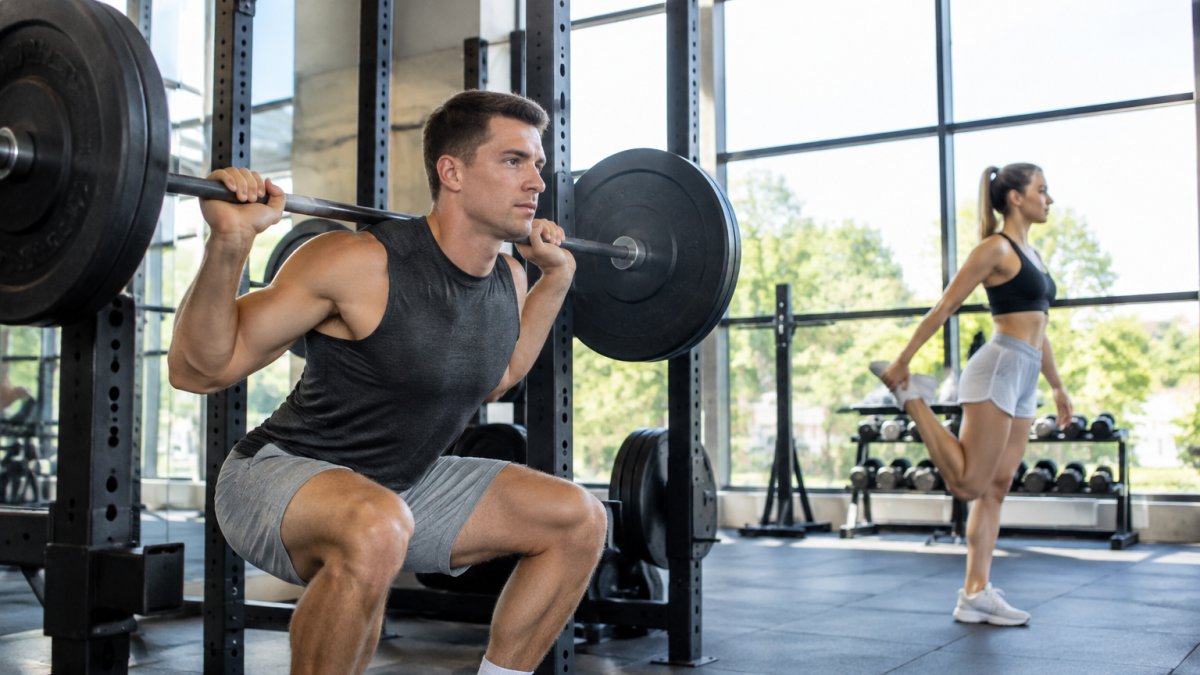
A short that binds at the hip fails you on the first deep squat. Look for a cut that clears the thigh without ballooning, then check the fabric weight: lighter weaves breathe better but show sweat faster, while mid-weight knits hold shape through repeated washing. Range of motion comes down to two things, stretch in the weave and enough room at the hem to let your knee travel. A common mistake is sizing up to solve tightness when the real issue is a liner or waistband that does not flex with you.
Best Men's Workout Shorts With Liner for Locked-In Support
The best men's workout shorts with liner pair a supportive inner layer with a lightweight outer shell, so you get coverage and compression without bulk. Our top pick is the Core Tech Training Short ($69), a 2-in-1 built with a Coolmax® liner that gives a gentle compressive feel as you stretch and move, made from plastic bottles. It is listed for lifting, CrossFit, cycling, and hiking.
The Core Tech 5" Short ($69) uses a Coolmax® jersey brief liner with a 5-inch inseam and a super lightweight stretch woven shell. The Performance Training Short ($74) features laser-cut perforation for extra ventilation with a Coolmax® liner.
Prices of Greatness Wins Training Shorts
Comfortable Athletic Shorts for Gym Training: Women's Picks
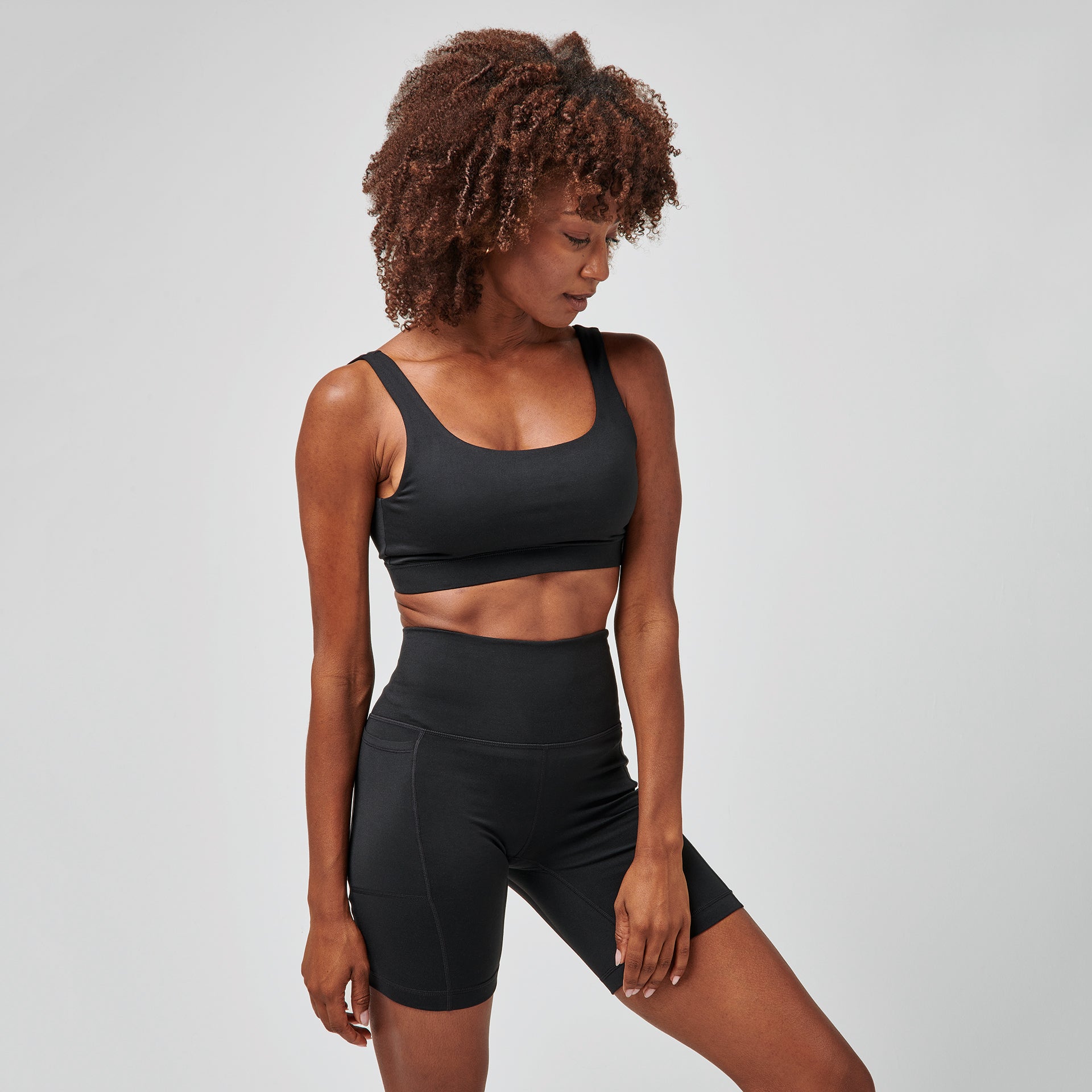
Women's comfort comes down to a waistband that stays put and fabric that does not cling when you sweat. The High Waist Essential Short ($68) uses a super-soft, double-brushed interlock knit with moisture-wicking performance and side pockets to carry loose items. The women's Core Tech Training Short ($44) is made with a sustainably sourced Repreve™ Polyester blend, finished with anti-microbial and moisture-wicking performance, with side slits for mobility and a zip pocket to stow valuables.
Moisture-Wicking Gym Shorts That Handle Heavy Sweat
Moisture-wicking shorts are designed to pull sweat away from the skin. Several Greatness Wins shorts use a Coolmax® liner, including the Core Tech Training Short and the Performance Training Short. If you want the fabric science behind it, our breakdown of temperature-regulating fabric technology explains how these fibers handle heat and sweat.
Breathable Workout Shorts for Hot Gyms and Long Sessions
Breathability is about airflow, and airflow comes from weave structure and ventilation placement. The All-Purpose Essential Short ($59) is a lightweight, durable mesh short with extra breathability, listed for warmups, cool downs, and training sessions. The All-Purpose Progression Short ($59) has a looser fit with breathable mesh, easy movement, and a signature Greatness Wins circular patch. New to technical fabrics? Start with our guide to choosing athletic fabrics before you commit.
How to Choose Inseam, Fit, and Sizing by Body Type
Inseam is the fastest way to fix a comfort problem, but inseam alone does not determine fit. Four variables interact: rise (how high the waist sits), leg opening (how much the hem clears the thigh), inseam length, and liner choice. Most shoppers adjust only inseam and then wonder why the short still binds, rides up, or bunches.
Rise. A mid-rise waist sits near the hip bone and works for most builds. A high rise holds the waistband above the hips, which helps during hinges and hip thrusts because the short has less room to slide. A low rise gives more room through the seat but can gap at the back during floor work. If you are long-torsoed, a higher rise keeps the hem from creeping up your thigh when you reach overhead.
Leg opening. A tapered leg opening keeps fabric from ballooning but can catch on fuller thighs at the bottom of a squat. A relaxed opening clears the thigh but can flap during running. The practical test: stand with feet shoulder-width, sink into a full squat, and check whether the hem slides up freely or digs in at the crease of the hip.
Inseam. A 5-inch inseam clears the knee for running and conditioning. A 7-inch or longer short gives more coverage for lifting and lifting-adjacent work, and it stays put during floor work. A 9-inch short suits lifters who want the hem to stay below the knee crease during deadlifts. Match the length to the movement, not to a style preference.
Liner. A brief liner adds support and reduces chafing but can feel restrictive on fuller thighs. A compression liner holds the muscle and works well for lifting. An unlined short gives maximum airflow but needs a separate base layer if you chafe. If you dislike the feel of a liner, choose an unlined shell with a smooth inner seam rather than sizing up a lined short.
| Body Consideration | Recommended Fit | Why It Works |
|---|---|---|
| Longer legs | 5" to 7" inseam, mid rise | Prevents hem catching at the knee |
| Fuller thighs | Relaxed leg opening, unlined or brief liner | Reduces binding on squats and lunges |
| Narrow frame | Athletic or tapered fit, mid rise | Avoids excess fabric bunching |
| Long torso | High rise, 7" inseam | Keeps hem from creeping during overhead work |
| Lifting focus | Mid-length, lined, 7" to 9" inseam | Support plus coverage under the bar |
| Cardio focus | Short inseam, lightweight, 5" | Unrestricted stride and airflow |
| Dislikes liners | Unlined shell, smooth inner seam | Comfort without compression feel |
Elastic waistbands with a drawstring let you dial in tension, and a secure pocket matters more than most shoppers expect. The Baselayer Short ($49) adds mesh ventilation in the areas you need it most.
Fabric Care and Durability: Making Training Shorts Last
Performance shorts fail in predictable ways, and most failures trace back to care rather than workout intensity. The four wear points to watch are pilling at the inner thigh, fading along the waistband, seam separation at the crotch gusset, and elastic stretch-out in the waistband.
Pilling comes from abrasion between the inner thighs and from washing shorts with rough fabrics like velcro or heavy canvas. Turn shorts inside out, wash them with smooth synthetics, and keep velcro tabs closed and away from mesh. A pill shaver restores the surface, but repeated pilling thins the weave and reduces wicking performance over time.
Fading along the waistband usually comes from sweat salts and repeated hot washing. Wash cold, skip the fabric softener, and air dry when you can. Softener coats performance fibers and blocks the wicking action you paid for, which is the single most common reason shorts stop managing sweat. If you must use a dryer, use low heat; high heat degrades elastane and speeds waistband stretch-out.
Seam separation at the crotch gusset is the first structural failure on lined shorts, because the liner and shell move against each other under load. Check the gusset stitching every few months. A short with a flatlock or bonded seam in that area holds up better than one with a simple overlock stitch.
Elastic retention is the slowest failure and the one most shoppers notice last. A waistband that has lost snap will slide during hinges even if the drawstring is tight. Rotating between pairs gives the elastic time to recover between sessions, which is one reason a two- or three-pair rotation outlasts a single pair used daily.
To judge value beyond the sticker price, divide the price by the number of wears you realistically expect. A $69 lined short worn three times a week for a year costs less per wear than a $30 pair that pills in two months, provided the seams and elastic hold. Check the return window and warranty terms before you commit, because a generous return policy offsets the risk of a fit you cannot test in the store.
If you want a realistic benchmark for how long quality gear should hold up, read our guide on how long quality workout clothes last.
Build Your Training Shorts Rotation
One pair of shorts cannot cover every session well. Build a small rotation instead: a lined short for lifting and CrossFit, a breathable mesh short for warmups and court work, and a baselayer for compression days. That mix keeps each pair doing what it does best and stretches the life of all of them.
Comfort in the gym is not a luxury, it is a performance variable. Greatness Wins builds performance-focused apparel with technical fabrics, Coolmax® liners, and moisture-wicking construction designed to help you reach your personal best. Free shipping on orders $100+ and free returns within the U.S. mean you can test the fit risk-free. Get started with Greatness Wins and train in shorts that move the way you do.
Frequently Asked Questions
Are lined or unlined shorts better for gym workouts?
Lined shorts give you built-in support and reduce chafing, which helps during lifting, sprinting, and circuit training. A Coolmax liner, like the one in the Core Tech Training Short, provides a gentle compressive feel as you stretch and move. Unlined shorts suit lifters who prefer their own compression layer underneath or want a looser mesh feel for warmups.
How should gym shorts fit for lifting and cardio?
Look for a waistband that stays put without digging in, and enough room through the hip and thigh to hit full squat depth. For lifting, a 5-inch to 7-inch inseam keeps fabric out of the way of the bar; for cardio, a shorter inseam reduces drag. The Core Tech 5-inch Short uses a super lightweight stretch woven fabric. Avoid shorts so baggy they catch on equipment or so tight they restrict your range of motion.
What fabric is best for breathable workout shorts?
Lightweight stretch woven and breathable mesh move air best. Laser-cut perforation, as on the Performance Training Short, adds ventilation. Mesh ventilation, like that on the Baselayer Short, adds breathability. Heavier cotton blends hold sweat and slow you down, so save those for rest days and keep performance fabric for training.
Where can I buy good-quality gym shorts that hold up wash after wash?
Buy from a brand that states its fabric construction and liner technology up front. Greatness Wins lists Coolmax liners, Repreve polyester blends, and mesh ventilation on its product pages, so you know what you are getting. Free shipping applies on orders of $100 or more, and returns are free within the U.S., so you can test sizing without risk. Check the care label and wash cold to protect stretch fibers.