Table of Contents
- How Long Should Quality Workout Clothes Last
- How to Wash High-Performance Apparel
- Signs It Is Time to Replace Gym Clothes
- How to Prevent Workout Clothes from Pilling
- The Impact of Sweat and Frequent Washing on Fabric
- Extending the Life of Your Activewear Investment
- Frequently Asked Questions
Last Updated: October 2, 2026
How Long Should Quality Workout Clothes Last
Quality workout clothes represent a significant investment for serious athletes and fitness enthusiasts. Unlike casual wear, performance activewear is engineered to withstand intense training, frequent washing, and the rigorous demands of high-impact activity.
At Greatness Wins, we've tracked how premium athletic apparel performs over time, and the answer depends heavily on fabric type, care practices, and usage intensity. According to Gearbunch's 2026 athleisure industry research, 47% of consumers prioritize quality as their primary factor when purchasing luxury or designer activewear, second only to comfort at 57%.
The lifespan of quality workout clothes isn't fixed. Premium seamless leggings last approximately 2.5 times longer than budget welded-seam alternatives, according to Sportswear Partner's durability analysis. However, that longevity only materializes when you understand what degrades your gear and how to prevent it. Below, we'll show you exactly how to extend the life of your activewear investment through proper washing, storage, and maintenance.
Lifespan by Garment Type
Different pieces of activewear have different functional lifespans. Compression tights, sleeves, and socks generally last 150-200 uses before the compression level begins to diminish, according to Danish Endurance's compression gear guidelines. That translates to roughly 1-2 years for athletes training 3-4 times weekly.
Sports bras require replacement more frequently than other pieces due to the elastic degradation caused by repetitive impact and washing. Most quality sports bras maintain proper support for 200-300 wears. Leggings and tights typically last 2-3 years with consistent care. [Core training tops like the Core Tech Tee](https://greatnesswins.com/products/core-tech-tee-black) are built for durability across multiple seasons of training, with proper maintenance extending their functional life significantly.

Shorts and pants fall in the middle range. A quality pair of training shorts like the Core Tech Training Short can last 2-4 years depending on wash frequency and storage conditions. Joggers designed for both training and casual wear often outlast specialized performance pieces because they experience less intense friction and sweat exposure during typical use.

What Affects Durability
Three primary factors determine how long your quality workout clothes actually last: fabric composition, usage intensity, and care practices.
Synthetic fibers like spandex and elastane are engineered for stretch and recovery, but they degrade faster under UV exposure and heat.
Storage conditions matter more than most athletes realize. Humidity, heat, and direct sunlight all degrade synthetic fibers over time. Garments stored in damp gym bags or hot vehicles age faster than those kept in cool, dry closets.
How to Wash High-Performance Apparel
Washing is the single biggest factor determining how long your quality workout clothes last. Improper washing accelerates fabric degradation, reduces elasticity, and destroys moisture-wicking properties faster than any other maintenance mistake.
Step 1: Prepare Your Gear
Don't throw your activewear directly into the machine. Pre-treat your garments by turning them inside out, this protects the outer surface where moisture-wicking coatings live.
Separate your activewear from regular laundry. Performance fabrics need different washing conditions than cotton or heavier materials. Group similar colors and fabric weights together.
Remove any removable padding from sports bras before washing. This prevents uneven wear and allows the fabric to dry more evenly.
Step 2: Choose the Right Detergent
Standard laundry detergents contain optical brighteners and heavy perfumes that bond to synthetic fibers and block moisture-wicking.
Avoid fabric softeners entirely, they coat fibers and eliminate breathability. Skip bleach and color-safe bleach, which damage elastane and fade dyes.
For heavily soiled gear, pre-soak in cool water with a sports detergent for 15-30 minutes before washing. This loosens sweat buildup without requiring harsher chemicals or hot water.
Step 3: Wash and Dry Correctly
Use cold water only, hot water accelerates elastane breakdown and sets sweat stains permanently.
Never use a conventional dryer. Heat destroys elastane and causes pilling. Hang-dry your activewear in a well-ventilated space away from direct sunlight.
For moisture-wicking fabrics, proper drying is critical. Moisture trapped in synthetic fibers promotes bacterial growth and odor retention. Ensure garments are completely dry before storing them.
Signs It Is Time to Replace Gym Clothes
Even with perfect care, quality workout clothes eventually reach the end of their functional life. Recognizing these replacement signals prevents you from training in compromised gear that increases injury risk or reduces performance.
Loss of Elasticity and Shape
The most reliable indicator that your activewear needs replacing is loss of elasticity. If your leggings no longer snap back after stretching, the spandex has degraded beyond functional recovery.
Test elasticity by stretching a small section of fabric and releasing it. Quality activewear should return to its original shape instantly.
Waistbands and leg openings that no longer grip properly indicate the elastic core has broken down.
Pilling, Tears, and Visible Wear
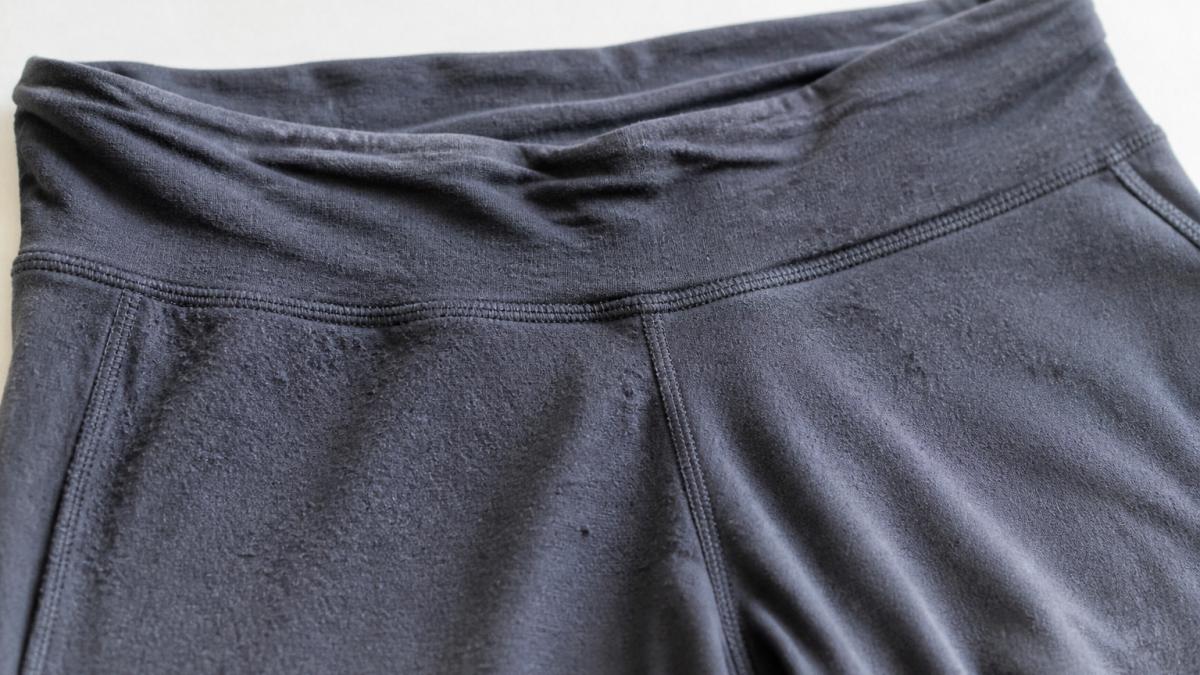
Pilling, those small fabric balls that form on the surface, signals that individual fibers are breaking down.
Visible tears, holes, or seam separation mean the garment's structural integrity is compromised. Small holes near high-friction areas like the inner thigh expand rapidly during training.
Fading and discoloration are cosmetic but often accompany functional degradation. If your activewear looks significantly faded compared to newer pieces, the dyes have broken down, a sign that the underlying fibers are also weakening.
Moisture-Wicking Failure and Odor Retention
When your activewear stops wicking moisture effectively, water sits on your skin instead of moving away. This creates an uncomfortable, cold sensation and increases chafing risk. If sweat pools visibly on your gear during training, the moisture-wicking coating has degraded.
Persistent odor that doesn't wash out is another critical signal. Once synthetic fibers trap bacterial growth deep in the fabric, standard washing won't eliminate the smell.
How to Prevent Workout Clothes from Pilling
Pilling destroys the aesthetic appeal of quality activewear and indicates underlying fabric degradation.
Wash inside out, this is the single most effective pilling prevention strategy.
Avoid excessive agitation. Wash on the gentle cycle and remove garments immediately after the cycle ends.
Minimize friction during wear by avoiding rough surfaces and excessive rubbing. Gym equipment with rough edges accelerates pilling at contact points.
The Impact of Sweat and Frequent Washing on Fabric
Sweat is simultaneously your activewear's enemy and its purpose. While moisture-wicking fabrics are engineered to handle sweat, repeated sweat exposure combined with frequent washing accelerates synthetic fiber breakdown.
Sweat contains salt, urea, and lactic acid, all of which are mildly corrosive to synthetic fibers. Salt crystals can degrade elastane when left to dry on fabric.
Frequent washing is necessary for hygiene, but it accelerates degradation. Every wash cycle creates micro-abrasion on fibers. Extending the lifespan of clothing by just nine months can reduce carbon, water, and waste footprints by up to 20%, according to WRAP's research on extending product lifetimes. This means washing less frequently, when practical, benefits both your gear and the environment.
The solution isn't washing less; it's washing smarter. Spot-clean visible stains, air out damp garments between wears, and wash only when necessary.
Extending the Life of Your Activewear Investment
Your quality workout clothes represent a commitment to your training. Treating them strategically extends that investment across multiple years and multiple training cycles.
Storage and Between-Wear Care
How you store activewear between wears determines how long it lasts. Never store damp or sweaty gear in a gym bag or locker.
Keep activewear in a cool, dry closet away from direct sunlight. UV exposure degrades synthetic fibers and causes fading. Avoid plastic storage bins that trap humidity.
Fold rather than hang most activewear. Hangers create stress points that can stretch out elastic over time.
Building a Rotation System
The most effective way to extend activewear lifespan is rotating between multiple pieces rather than wearing the same item repeatedly.
A rotation system works like this: if you train four times weekly, own at least five core pieces per category. This ensures each piece gets at least three days of rest between wears, allowing fibers to recover their shape and elasticity. Your Core Tech Jogger and Performance Training Tank perform better when rotated with other pieces rather than worn repeatedly.

Rotation also distributes wear across multiple garments, meaning nothing wears out prematurely. An athlete who owns three pairs of leggings and rotates them will get 4-5 years of use from each.
Quality workout clothes are built to last years, not seasons, but only when you understand what degrades them and take intentional steps to prevent it.
At Greatness Wins, we design activewear built to withstand rigorous training and frequent washing. Our Core Tech Tee and Core Tech Training Short are engineered with durable construction and premium fabrics that maintain their performance across multiple years of training. Pair that quality with the maintenance practices outlined here, cold water washing, air drying, and strategic rotation, and you'll maximize your investment while staying comfortable through every workout. Get started with Greatness Wins and experience activewear built to match your commitment to greatness.
Frequently Asked Questions
What is the average lifespan of quality workout clothes?
High-quality workout clothes typically last 2-5 years with proper care, though lifespan varies by garment type and usage. Premium seamless leggings last approximately 2.5 times longer than budget welded-seam alternatives. Compression garments like tights and sleeves generally maintain their function for 150-200 uses before compression diminishes. Casual gym wear can exceed 5 years, while high-impact gear used multiple times weekly may show signs of wear within 1-2 years.
How does frequent washing affect moisture-wicking fabrics?
Repeated washing degrades the water-repellent coatings and synthetic fiber structure that enable moisture-wicking. Detergent buildup clogs fibers, reducing breathability and sweat-wicking performance. Washing in hot water accelerates fiber breakdown in synthetic materials like polyester and spandex. To preserve moisture-wicking, wash in cool water, use minimal detergent, and avoid fabric softeners that coat fibers. Limiting wash frequency extends fabric performance, wear moisture-wicking gear 2-3 times before washing when possible.
Can extending the lifespan of my activewear reduce environmental impact?
Yes. Extending garment life by just nine months reduces carbon, water, and waste footprints by up to 20%, according to research by WRAP. Since high-intensity performance gear has a shorter functional lifespan than casual wear, investing in durable, quality activewear and maintaining it properly directly cuts the environmental cost of frequent replacement. Choosing premium pieces designed to last and washing them correctly is one of the most effective ways active individuals can reduce their fashion footprint.
What makes premium activewear like Greatness Wins last longer than budget alternatives?
Premium activewear uses higher-grade synthetic fibers, seamless construction, and reinforced stitching that withstands repeated sweat, friction, and washing cycles. Budget alternatives rely on welded seams that separate under stress and lower-quality elastane that loses stretch faster. Greatness Wins pieces like the Core Tech Tee and Core Tech Training Short are engineered with durable fabrics and consistent fit to handle rigorous training. Quality construction directly translates to garments that maintain shape, moisture-wicking, and elasticity through years of use.