Last Updated: November 10, 2026
Quick Summary
Synthetic sportswear sheds microfibers, mostly during washing, and polyester is a significant contributor. Research is still developing, and current evidence does not show that wearing it harms athletes' health or performance. Gentler, cold washing and careful care habits can reduce how much fiber leaves each load.
- Earlier study found about 23 microfibers per gram from polyester-cotton blends and 83 per gram from pure polyester.
- Washing is the stage where most synthetic fibers break free from the fabric.
- Wash on a gentle cycle with cold water, in full loads that are not overstuffed.
- Turn athletic tops inside out before washing so the smoother inner surface takes the abrasion.
- Current studies do not establish a sportswear-specific health effect on athletes.
Table of Contents
- How Much Microplastic Does Synthetic Sportswear Release?
- Why Washing Drives Most Microfiber Shedding
- How Fabric Construction Changes What Sheds
- What Research Says About Health Risks for Athletes
- How to Wash High Performance Apparel to Reduce Shedding
- Choosing Sportswear Built to Last Longer
- Your Next Step: Gear and Care Habits That Cut Shedding
- Frequently Asked Questions
How Much Microplastic Does Synthetic Sportswear Release?
Synthetic sportswear sheds microfibers every time it goes through a wash, and the quantities are larger than most athletes expect. Research on synthetic textile release is still developing, so the figures below are best read as indicators rather than precise measurements for any single garment. Earlier work cited in a 2024 Environmental Pollution study on microplastic fiber release from synthetic textiles found roughly 23 microfibers per gram from polyester-cotton blends and 83 per gram from pure polyester.
Those figures come from fabric samples, not finished athletic tops, so they should not be taken as the exact output of your own training kit. What they do show is that polyester, the fiber behind most performance gear, is a significant contributor. Shoppers comparing synthetic and natural options should keep that in mind when they read product labels.
The scale of the issue becomes clearer at the industry level. An Nature Communications study from 2024 estimated that the apparel industry generated 8.3 million metric tons of plastic pollution in 2019, with an uncertainty range of 4.8 to 12.3 million metric tons. That figure covers apparel overall, not sportswear alone, but performance gear sits squarely within it.
Why Washing Drives Most Microfiber Shedding
Washing is the moment when most synthetic fibers break free. Mechanical agitation, friction between garments and detergent-driven movement all loosen fragments that were held tight in the knit. Researchers studying textile release consistently identify washing as a particularly significant pathway.
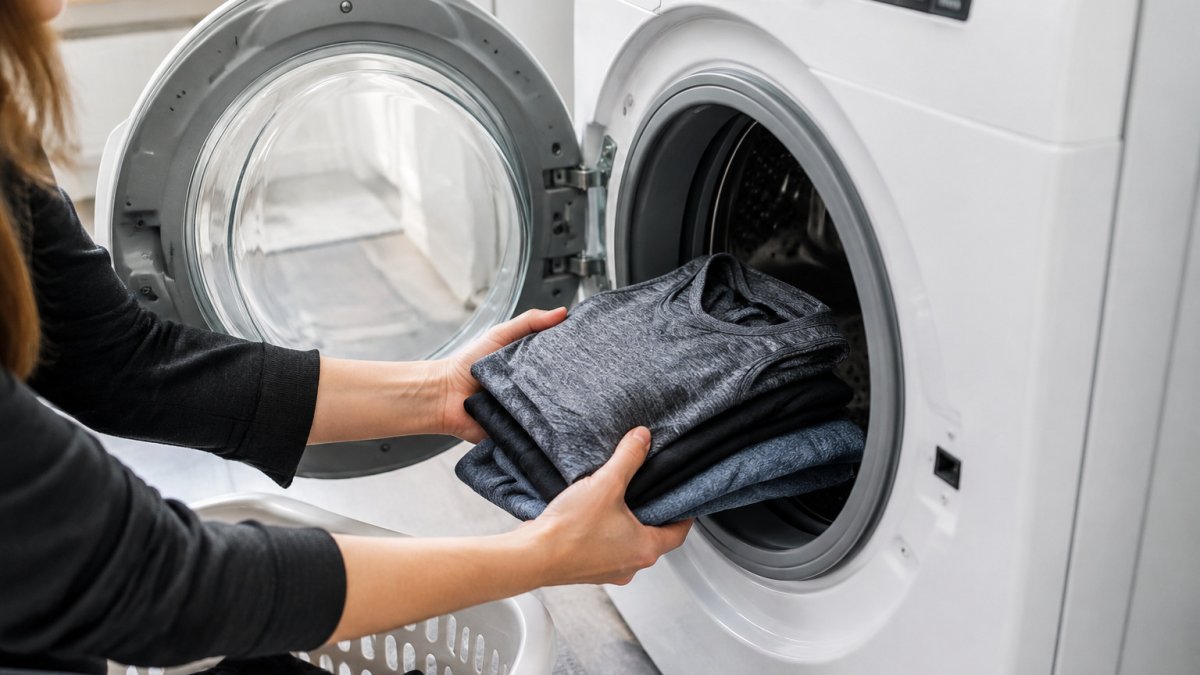
Drying and everyday wear also release fibers, but the wash cycle is where the highest-volume release tends to happen. Load size, water temperature and spin speed all change how aggressively a garment is handled. Fuller loads of tightly knit athletic tops often rub against each other more, which is one reason shedding can climb when you wash heavily soiled training gear together.
The practical takeaway is simple: how you wash synthetic sportswear matters as much as what you buy. The care section below covers specific settings and load habits that reduce how much fiber leaves each cycle.
How Fabric Construction Changes What Sheds
Not every synthetic knit releases fibers in the same way. Tighter constructions with smoother surfaces generally hold fibers better than loose, open-faced knits, though the effect varies by yarn type and finishing. The fabric's weight, stitch structure and whether it has a brushed or textured face all influence how readily fragments detach.
When you evaluate performance gear, look past the fiber name. You can explore sustainable fabric performance choices made with construction in mind. A lightweight mesh layer and a dense compression fabric made from the same polymer can behave quite differently in the wash. Manufacturers that specify knit structure, yarn denier or finishing methods give shoppers more to work with than a material label alone.
What Research Says About Health Risks for Athletes
The health question is where most articles blur two very different things: microplastics in the environment and microplastics reaching the body. Keeping those apart is the first step to reading the evidence accurately.
The main routes of human exposure studied so far are ingestion (food, water and dust that end up in the mouth), inhalation (airborne fibers, particularly indoors and in gyms with synthetic flooring and textiles), and skin contact. Most of the attention in the research literature has gone to ingestion and inhalation, because particles that are swallowed or breathed in can physically reach the digestive tract and lungs. Dermal contact is a different case. Intact skin is a strong barrier, and the particles typically studied in textile research are much larger than the molecular-scale substances that pass through skin. The current scientific view is that skin absorption of intact microplastic particles from clothing is considered unlikely, though the chemical additives that can leach from fabrics are a separate question that is still under study.
A 2025 review of microplastics and exercise performance analyzed existing literature on possible effects on physical function, athletic performance and training outcomes. The review describes potential exposure through inhalation, ingestion and skin contact, but it does not establish a quantified, sportswear-specific health effect. Athletes may face a somewhat different exposure profile than average, since heavier breathing during training can increase inhalation volume. Those are plausible mechanisms that researchers have proposed, not findings that show harm.
The practical reading of the evidence is this. Microplastic exposure is a legitimate area of concern, and the research on additives and inhalation is not finished. The evidence does not yet show that wearing synthetic sportswear causes a measurable decline in athletes' performance or health. Athletes who want to limit exposure can focus on steps that also reduce environmental shedding, such as gentler washing.
Watch out: Claims that synthetic clothing is soaking microplastics into the bloodstream through the skin go beyond what current studies support, so treat such statements skeptically when you encounter them.
How to Wash High Performance Apparel to Reduce Shedding
Careful washing is the most controllable lever you have. The habits below cut down on fiber release without requiring new equipment, and they also help performance fabrics keep their stretch and moisture-wicking properties for longer. For a deeper guide, see maintaining technical fabric performance through care.
Washing Settings and Load Size
Wash synthetic sportswear on a gentle or delicate cycle with cold water. To protect delicate synthetic garments in the wash, see common mistakes that ruin delicates. Run full loads, but avoid packing the drum so tightly that garments grind against each other. Turn athletic tops inside out before washing so the smoother inner surface takes the abrasion rather than the face fabric.
Use a mild detergent.
Microfiber-Catching Filters and Bags
Washing bags and in-drum filters are designed to trap some fragments before they reach wastewater.
Results vary by product and load, and no filter catches everything. Treat these tools as one layer of a broader routine rather than a complete solution. Clean the filter or bag after each use so trapped fibers don't rebound onto the next load.
The table below summarises the washing habits the article recommends to cut microfiber release.
| Habit | Recommended setting | Why it helps |
|---|---|---|
| Wash cycle | Gentle or delicate | Less mechanical agitation |
| Water temperature | Cold | Reduces fiber breakdown |
| Load size | Full, not overstuffed | Less garment-on-garment abrasion |
| Garment orientation | Inside out | Smoother inner surface takes the abrasion |
| Detergent | Mild | Gentler on synthetic fabric |
| Microfiber bag or filter | Clean after each use | Traps some fragments before wastewater |
Choosing Sportswear Built to Last Longer
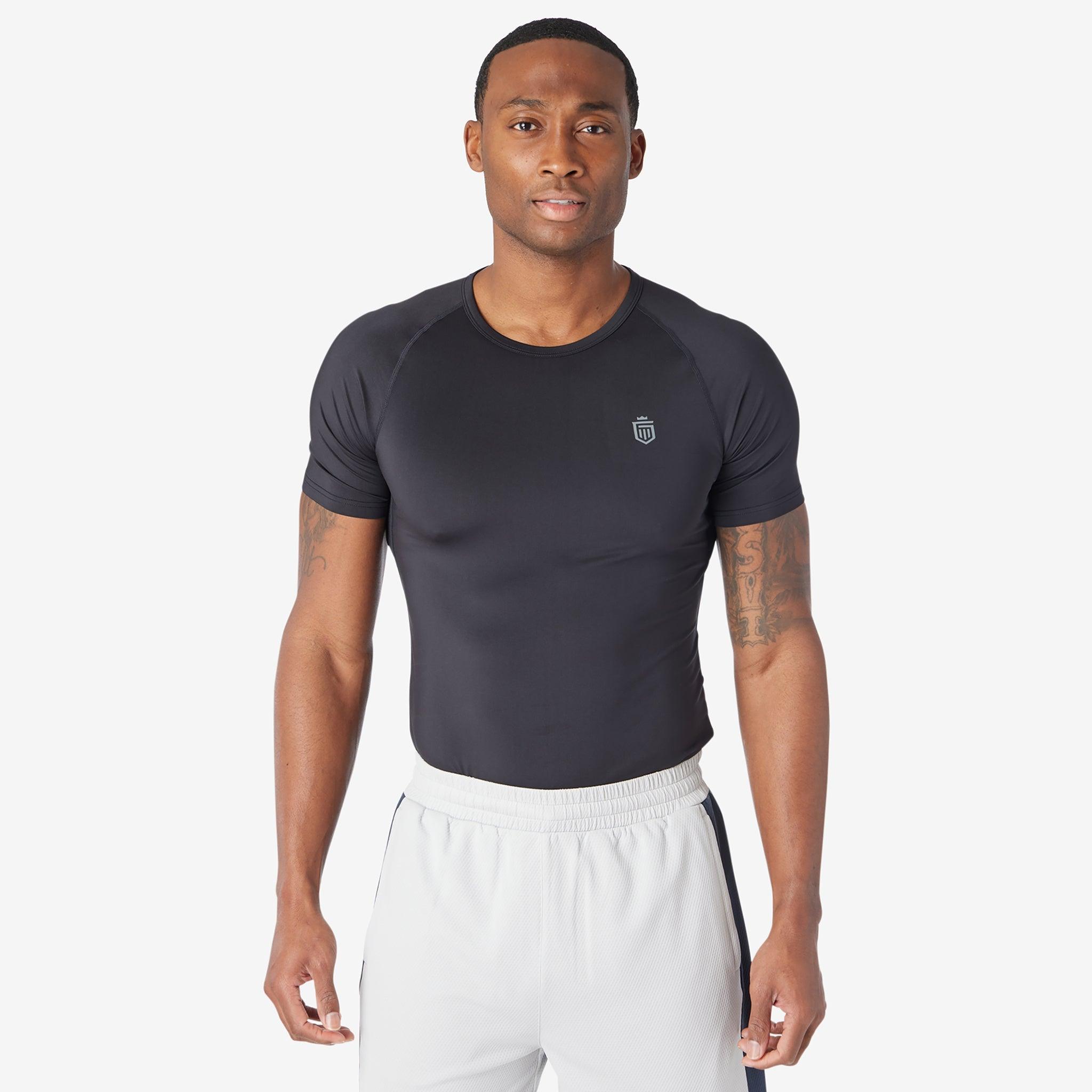
Durability is one of the strongest arguments for buying fewer, better pieces. When you shop, look for reinforced seams, dense knits and clear care instructions. Browse a durable performance training tee as a concrete option.
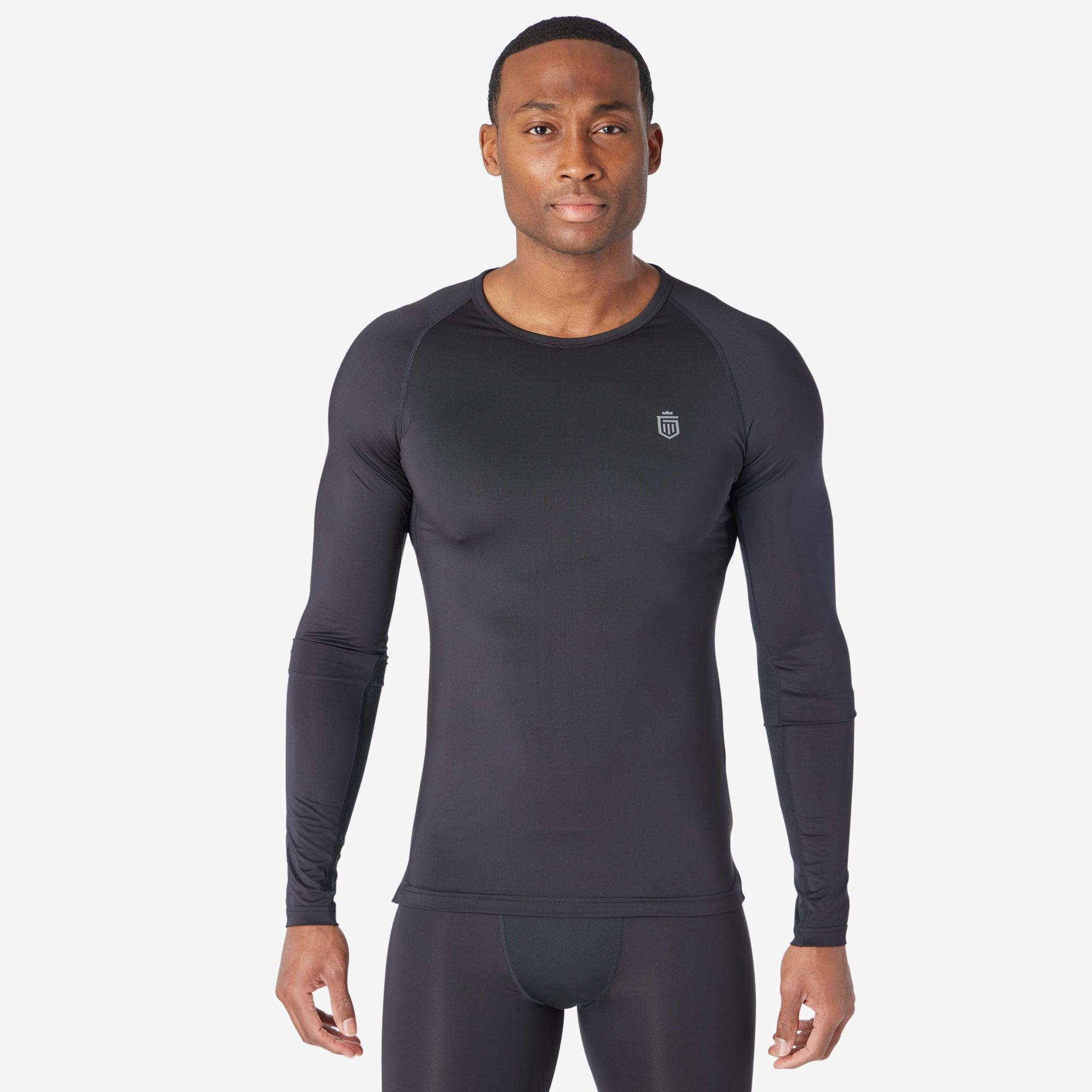
At Greatness Wins, our Baselayer line features lightweight fabric and mesh ventilation placed where you need it most. The Baselayer Tee at $39.00 and the Baselayer Long Sleeve Tee at $49.00 are designed to feel cool and dry.
Your Next Step: Gear and Care Habits That Cut Shedding
Reducing microfiber release comes down to two decisions: what you wear and how you wash it. Choose garments with dense, well-constructed knits, and wash them cold, on gentle cycles, inside out and in full but not overstuffed loads. Use a washing bag or filter as an added layer, and air dry where you can.
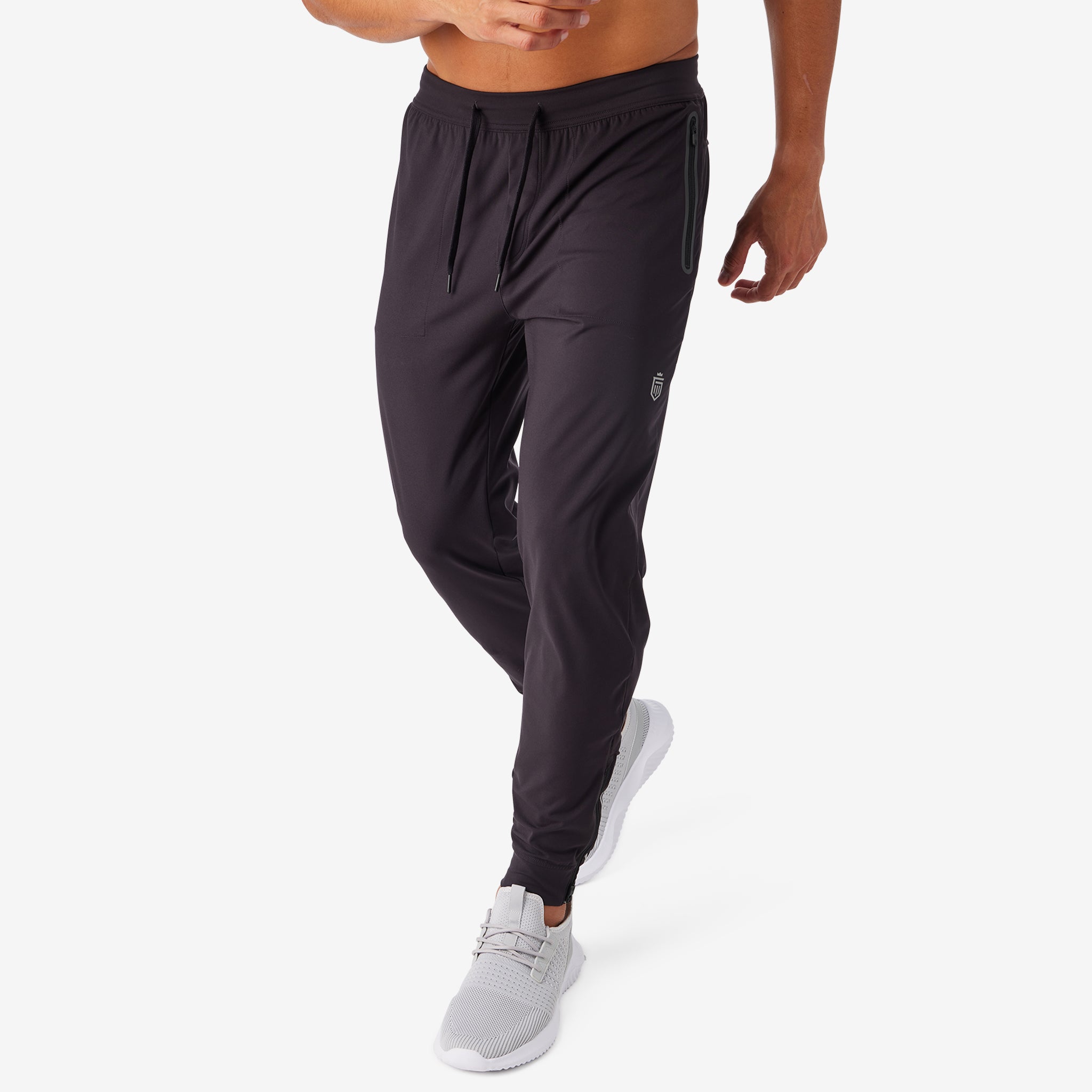
If you are ready to build a lower-shedding training wardrobe, browse the Performance Tech Jogger and other training pieces in the Greatness Wins collection.
Frequently Asked Questions
Do synthetic clothes release microplastics?
Yes. Synthetic fabrics such as polyester, nylon, and elastane shed microfibers, and washing is a particularly significant release point. A widely cited study estimated that polyester releases about 83 microfibers per gram of fabric in a wash, and polyester-cotton blends release about 23 per gram. The figures come from earlier research cited in a 2024 study, so treat them as estimates rather than measurements of any single garment. Shedding happens during wearing and drying too, but washing is the main focus of current research.
What types of synthetic fabrics shed the most microplastics?
Research cited in a 2024 study in Environmental Pollution points to polyester as a heavy shedder, with estimates of about 83 microfibers per gram released in washing, compared with about 23 per gram for polyester-cotton blends. Fabric construction also matters, since tighter knits and certain yarn types can change how fibers break free. Blends with a higher natural fiber share generally shed less than fully synthetic fabric, though the exact difference depends on the garment.
Are there health risks associated with microplastics in athletic wear?
The evidence is still limited. A 2025 review of existing literature examined possible effects of microplastics on physical function and athletic performance, and it notes potential exposure through inhalation, ingestion, and skin contact. However, the review does not establish a quantified, sportswear-specific health effect. Athletes who want to limit exposure can focus on washing habits and fabric choice while the research develops.
How can athletes minimize microplastic shedding from their gear?
Wash less often and in full loads, use cold water and a gentle cycle, and avoid high-heat drying, which can break down fibers further. Using a microfiber-catching laundry bag or filter is one option to consider.