Table of Contents
- What Makes a Breathable Workout Shirt Actually Work
-
Best Moisture Wicking Shirts for Men: Top Options Ranked
- Performance Training Tank: Maximum Breathability for High-Intensity Work
- Baselayer Tee: Mesh Ventilation for All-Day Comfort
- Baselayer Muscle Tank: Lightweight Coverage Without Restriction
- Performance Training Tee: Durable Featherweight Fabric
- Baselayer Long Sleeve Tee: Extended Coverage with Full Breathability
- Badge Graphic Tee: Cotton-Polyester Blend for Versatility
- Logo Graphic Tee: Budget-Friendly Performance Blend
- How to Choose Workout Shirt Fabric: Key Specifications
- How to Care for Performance Athletic Wear: Maintenance Essentials
- Matching Shirts to Your Training Style
- Frequently Asked Questions
Last Updated: September 29, 2026
What Makes a Breathable Workout Shirt Actually Work
A breathable workout shirt actively manages moisture, regulates body temperature, and supports performance during intense training. At Greatness Wins, we've analyzed what separates genuinely functional athletic wear from marketing hype, the answer is fabric engineering and design precision.
The difference between a shirt that works and one that doesn't lies in how effectively it moves sweat away from your skin. According to PMC research on sports clothing and thermoregulation, sports clothing plays a critical role in thermoregulation, comfort, and physical performance during exercise. When moisture sits against your skin, it traps heat and creates drag. The best breathable workout shirts use engineered fibers that pull sweat outward while allowing air to flow through the fabric, keeping you dry and cool even during high-intensity interval training or extended outdoor runs.
Moisture-Wicking vs. Quick-Dry Fabrics
Moisture-wicking pulls sweat away from your skin toward the outer surface; quick-dry describes how fast that sweat evaporates. The best performance shirts excel at both, using synthetic fibers like polyester interlock that repel water while allowing vapor to escape. Sweat moves outward and disappears rather than pooling on your chest or back.
Cotton absorbs moisture and holds it against your skin, slowing evaporation. Cotton-polyester blends work for low-impact activities like golf, but synthetic fibers are better for demanding training.
Ventilation Zones and Flat-Lock Seams
Strategic ventilation zones place mesh panels in areas where you generate the most heat: back, underarms, and chest. Flat-lock seams lie completely flat against your skin, eliminating friction points and chafing during repetitive motion. This combination creates a shirt that actively supports your movement, you feel the difference within the first few minutes.
Best Moisture Wicking Shirts for Men: Top Options Ranked
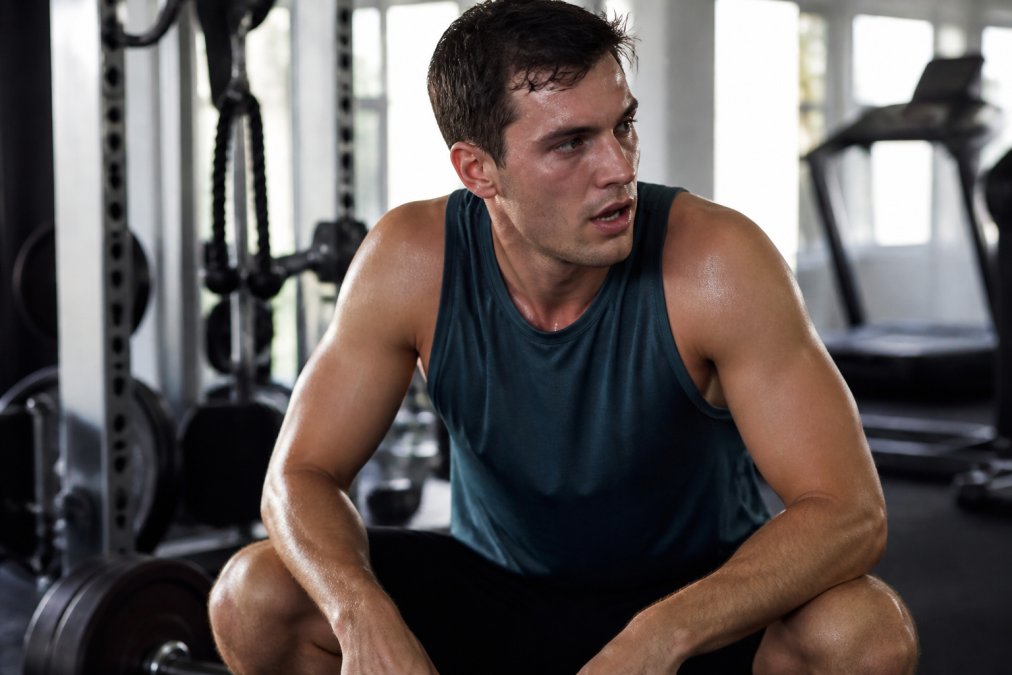
The shirts below represent what Greatness Wins offers, from maximum-breathability performance gear to versatile options that work across multiple training styles and everyday wear.
Performance Training Tank: Maximum Breathability for High-Intensity Work
The Performance Training Tank ($45) features featherweight fabric and sleeveless design for maximum airflow. Consistent fit and durability hold up through repeated high-intensity sessions. Ideal for CrossFit, sprint intervals, and hot-weather outdoor runs.
Baselayer Tee: Mesh Ventilation for All-Day Comfort
The Baselayer Tee ($39) balances breathability with versatility. Mesh ventilation in high-heat zones and lightweight construction work for gym sessions, outdoor activities, and casual wear. Compression features support recovery without restricting movement, making it ideal for cross-training and varied activities.
Baselayer Muscle Tank: Lightweight Coverage Without Restriction
The Baselayer Muscle Tank ($39) delivers maximum motion range with mesh ventilation in high-heat areas. Engineered for athletes, it stays in place during explosive movements.
Performance Training Tee: Durable Featherweight Fabric
The Performance Training Tee ($42) combines featherweight construction with short-sleeve coverage. Durable through dozens of washes, it maintains moisture-wicking performance for intense workouts, outdoor runs, and hiking.
Baselayer Long Sleeve Tee: Extended Coverage with Full Breathability
The Baselayer Long Sleeve Tee ($49) provides full-arm coverage with mesh ventilation. Ideal for spring and fall training or year-round athletes needing coverage options.
Badge Graphic Tee: Cotton-Polyester Blend for Versatility
The Badge Graphic Tee ($39) blends cotton with recycled polyester for moisture-wicking performance in low to medium-impact activities. Easy care with minimal shrinkage makes it ideal for golf, casual training, and everyday wear.
Logo Graphic Tee: Budget-Friendly Performance Blend
The Logo Graphic Tee ($30) offers the same cotton-polyester blend at a lower price point. Easy-care fabric and minimal shrinkage make it ideal for building a versatile training wardrobe without premium pricing.
How to Choose Workout Shirt Fabric: Key Specifications
Selecting the right fabric means understanding what each material does and matching it to your training intensity. The best breathable workout shirts use engineered synthetics or strategic blends, but the specific choice depends on your activity level and climate.
Polyester Interlock vs. Synthetic Blends
Polyester interlock is the gold standard for high-intensity training, moving moisture aggressively while resisting pilling. Synthetic blends add elastane for four-way stretch or nylon for durability. Cotton-polyester blends offer a middle ground for low to medium-impact activities but can't match pure synthetics for intense training.
| Fabric Type | Moisture-Wicking | Durability | Best For | Price |
|---|---|---|---|---|
| Polyester Interlock | Excellent | Excellent | High-intensity training | $39-$49 |
| Synthetic Blends | Very Good | Very Good | Cross-training, varied activities | $39-$45 |
| Cotton-Polyester Blend | Good | Good | Low to medium-impact, versatility | $30-$39 |
| Pure Cotton | Poor | Good | Casual wear, not recommended for training | $20-$30 |
Fit and Mobility: Four-Way Stretch and Ergonomic Design
Four-way stretch fabric moves with you in all directions during lifting and dynamic training. Ergonomic design positions seams to avoid friction and cuts armholes high for full shoulder mobility. Test the shirt through your actual training motions, it should move without bunching, pulling, or creating tension.
Anti-Odor and Chafing Resistance for Intense Training
Odor-resistant technology uses antimicrobial treatments or fiber construction to prevent bacteria growth that causes smell. Others rely on the moisture-wicking properties themselves, if sweat doesn't linger on the fabric, odor doesn't develop.
Chafing resistance comes from multiple sources: flat-lock seams, smooth fabric surfaces, and proper fit. Seams that lie flat against your skin can't catch or irritate. Smooth synthetic fibers create less friction than rough cotton. A shirt that fits properly in the shoulders and torso won't shift during movement, eliminating the rubbing that causes chafing.
For intense training or extended sessions, both features matter. You want to finish your workout fresh, not dealing with odor or irritated skin. Test the shirt through a full training session before deciding it's right for you.
How to Care for Performance Athletic Wear: Maintenance Essentials
The best breathable workout shirts only stay that way if you care for them properly. Proper washing and storage preserve the moisture-wicking properties that make them perform.
Wash Cycles That Preserve Moisture-Wicking Performance
Wash performance athletic wear in cold water. Hot water can damage the synthetic fibers and reduce their moisture-wicking capability. Use a gentle cycle rather than heavy-duty washing to avoid unnecessary stress on the fabric.
Avoid fabric softener and bleach.
Drying and Storage to Extend Shirt Lifespan
Air drying is the best option. Hang the shirt in a well-ventilated area away from direct sunlight. This approach takes longer but preserves the fabric integrity and moisture-wicking performance.
Matching Shirts to Your Training Style
Different training styles demand different features. The right shirt for CrossFit isn't necessarily the best choice for golf. Match your selection to what you actually do.
High-Intensity Interval Training and CrossFit
High-intensity work generates maximum sweat in minimum time. You need maximum breathability and aggressive moisture-wicking. The Performance Training Tank and Performance Training Tee deliver featherweight construction and unrestricted ventilation for this purpose.

Running and Outdoor Activities
Running demands shirts that handle sustained moisture production over extended periods. The Baselayer Tee and Performance Training Tee both work well for distance running. The key is consistent moisture management, you need the shirt to keep moving sweat away from your skin for 30, 45, or 60 minutes.
Golf and Low-Impact Sports
Golf and similar low-impact activities don't demand maximum breathability. The Badge Graphic Tee and Logo Graphic Tee work perfectly here. The cotton-polyester blend delivers enough moisture management for casual activity while maintaining the comfort and feel of traditional athletic wear.
Frequently Asked Questions
How do moisture-wicking shirts actually work?
Moisture-wicking shirts use synthetic fibers like polyester designed with hydrophobic and hydrophilic properties. The hydrophobic outer layer repels sweat away from your skin, while the hydrophilic inner layer absorbs moisture and spreads it across a wider surface area for faster evaporation. This thermoregulation process keeps you dry and comfortable during intense training. According to research from the National Center for Biotechnology Information, sports clothing plays a critical role in moisture management and physical performance during exercise.
What's the best breathable workout shirt fabric for men?
Polyester interlock and synthetic blends offer superior breathability compared to cotton. Polyester-dominant fabrics provide quick-dry properties essential for high-intensity training. Many top performers combine recycled polyester with cotton for versatility, this blend offers moisture-wicking durability with natural breathability for low to medium impact activities. The choice depends on your training intensity: featherweight synthetic fabrics excel in high-heat workouts, while blends work for mixed-use training.
How often should I replace my workout shirts?
With proper care, high-quality performance athletic wear is durable. Factors affecting lifespan include wash frequency, water temperature, and drying method. To extend durability, wash in cold water with mild detergent, avoid fabric softeners, and air-dry when possible. Flat-lock seams and durable construction help shirts withstand repeated washing while maintaining moisture-wicking performance. Signs of replacement include loss of elasticity, persistent odor despite washing, or visible pilling.
Are cotton shirts bad for working out?
Pure cotton absorbs sweat but doesn't wick moisture away efficiently, leaving you feeling wet and cold. Cotton also retains odor and takes longer to dry. For high-intensity training, moisture-wicking synthetic fabrics or blends outperform pure cotton. However, cotton-polyester blends work well for low to medium impact activities because they offer breathability with some moisture management. Choose pure cotton only for casual, low-sweat activities; reserve performance shirts with synthetic content for serious training sessions.