Table of Contents
- Polyester vs Nylon: Quick Comparison Table
- Moisture-Wicking Fabric Properties: How Each Performs
- Durability and Abrasion Resistance in High-Intensity Training
- Elasticity, Stretch Recovery, and Shape Retention
- Best Material for Workout Shirts: Comfort and Sensory Profile
- How to Care for Synthetic Athletic Gear and Extend Lifespan
- Cost, Sustainability, and Real-World Performance Trade-offs
- Which Fabric Should You Choose for Your Training Style
- Frequently Asked Questions
Last Updated: September 28, 2026
Polyester vs Nylon: Quick Comparison Table
When choosing polyester vs nylon workout gear, the decision comes down to what matters most for your training style. Polyester and nylon collectively account for over 66% of the total sportswear fabric market, making them the dominant synthetic materials in high-performance athletic apparel.
| Feature | Polyester | Nylon | Best For |
|---|---|---|---|
| Moisture-Wicking | Superior, fast-drying | Good, slower drying | High-sweat workouts |
| Durability | Good abrasion resistance | Excellent, longer lifespan | Heavy-use training |
| Elasticity | Moderate stretch | Higher stretch recovery | Dynamic movements |
| Hand Feel | Crisp, slightly textured | Buttery, smooth | Personal preference |
| Production Cost | Lower | Higher | Budget-conscious |
| Odor Retention | Higher tendency | Lower tendency | Extended wear |
| Shape Retention | Good | Excellent | Frequent washing |
The table above shows the core trade-offs, but the real story is more nuanced. Polyester excels at what it was engineered to do: move sweat away from your skin fast and dry quickly. Nylon prioritizes comfort and longevity, with superior elasticity and a softer feel against skin. Neither is universally "better", the right choice depends on your training intensity, how often you wash, and whether you prioritize performance or durability.
Moisture-Wicking Fabric Properties: How Each Performs
Polyester demonstrates superior moisture-wicking capabilities and faster drying times compared to nylon, making it the preferred choice for high-intensity workouts where sweat management is critical. NeuroAgeTX's comparison of synthetic fiber performance in activewear confirms that polyester's hydrophobic nature allows it to repel water more effectively, pushing moisture away from your skin and toward the outer fabric surface where it can evaporate.
Here's what that means in practice: during an intense 60-minute training session, polyester keeps you feeling drier because the fabric actively moves sweat outward. Nylon, while still moisture-wicking, works at a slower pace. The difference becomes noticeable during sustained cardio or high-intensity interval training where continuous sweat production matters.
Polyester's quick-dry properties also extend beyond the workout. After you shower, polyester dries in roughly half the time of nylon, a significant advantage if you're training multiple times per day or need gear ready for your next session. Good Garms' consumer guide to fabric selection for athletic apparel notes that polyester's water resistance creates a drying advantage that accumulates over the course of a week.
The trade-off: nylon's slower evaporation rate means it holds slightly more moisture against your skin initially. For moderate-intensity workouts or athletes with lower sweat rates, this difference is negligible. But for competitive athletes pushing hard, polyester's moisture-management edge is real and measurable.
Durability and Abrasion Resistance in High-Intensity Training
Nylon exhibits significantly higher abrasion resistance and durability compared to polyester, which matters if your gear takes a beating. Wooter's performance comparison for athletic gear confirms that nylon's superior durability translates to longer garment lifespan, especially under repeated friction from equipment, ground contact, or intense movement patterns.
Think about what happens during CrossFit workouts, wrestling training, or any sport involving ground contact.
YXX Fabric's manufacturing analysis for activewear brands notes that while nylon typically carries higher production costs than polyester, that investment returns itself through extended garment life.
The practical implication: if you're a serious athlete training multiple times weekly, nylon's abrasion resistance becomes a financial advantage, not just a durability feature. You replace gear less often, which means lower total cost of ownership despite the higher initial price.
Polyester's weakness isn't catastrophic, it still outlasts cotton-based gear. But if durability is your priority, nylon's tensile strength and resistance to fiber breakdown make it the stronger choice for demanding training environments.
Elasticity, Stretch Recovery, and Shape Retention
Nylon exhibits significantly more stretch than polyester, particularly when wet, while polyester maintains more consistent stretch properties between dry and wet states. This distinction matters more than most guides acknowledge. When you're mid-workout and perspiring heavily, nylon's elasticity actually improves because moisture interacts with the polymer structure. Polyester's stretch stays constant whether dry or wet.
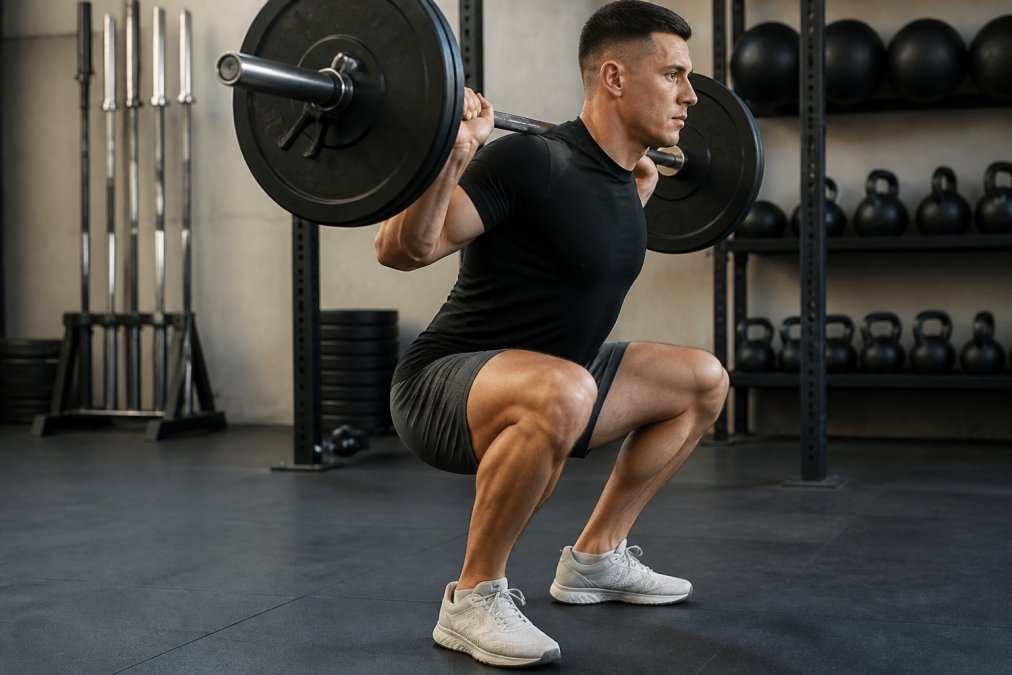
For dynamic movements, squats, lunges, overhead pressing, swimming, nylon's superior stretch recovery means the fabric returns to its original shape faster after each rep. Polyester stretches adequately but requires more time to recover, which can create a subtle dragging sensation during high-repetition work.
The sensory difference is real. FastArry's technical breakdown of activewear fabric properties describes polyamide (nylon) as providing a "buttery, smooth hand feel," whereas polyester is "crisp and slightly textured." That textured feel comes from polyester's tighter fiber structure, which limits elasticity but provides different benefits elsewhere.
Shape retention after washing reveals another gap.
Best Material for Workout Shirts: Comfort and Sensory Profile
The difference between polyester and nylon comes down to how the fabric feels against your skin, and this is where personal preference genuinely matters. Nylon delivers that "buttery, smooth, and cool" hand feel that high-end athletic brands emphasize.
Polyester's crisp, slightly textured feel appeals to athletes who prefer structure and feedback. Some find it supportive; others find it slightly irritating on sensitive skin. For workout shirts specifically, nylon's smoother surface reduces friction points that can cause chafing during long training sessions or endurance work.
Skin sensitivity becomes a practical factor here.
Men’s Logo Crew Sock (multi-pack) →
The Greatness Wins Badge Graphic Tee blends breathability of cotton with moisture-wicking and durability attributes of recycled polyester, creating a versatile fabric for low to medium impact activities. This hybrid approach balances polyester's moisture management with cotton's comfort, making it ideal for athletes who want performance without sacrificing feel.

For high-intensity training where you're sweating heavily and moving constantly, polyester's crisp feel provides clear feedback about fabric performance. For moderate training or athletes prioritizing comfort, nylon's buttery texture creates a more pleasant wearing experience.
How to Care for Synthetic Athletic Gear and Extend Lifespan
How you wash synthetic gear determines whether it lasts one season or three. Both polyester and nylon require proper care, but their maintenance needs differ slightly.
Washing: Cold water (60-80°F) is non-negotiable for both fabrics. Hot water accelerates fiber degradation and reduces elasticity. Use a gentle cycle, aggressive agitation damages synthetic fibers faster than time does. Wash inside-out to reduce pilling and surface abrasion.
Detergent: Avoid fabric softeners entirely. They coat synthetic fibers and reduce moisture-wicking effectiveness. Use a standard athletic detergent without additives. For nylon specifically, gentler detergents extend lifespan because nylon's smoother surface is more prone to chemical damage.
Drying: Air dry whenever possible. Machine drying, especially high heat, is the single biggest cause of synthetic gear degradation. The heat breaks down polymer chains, reducing elasticity and durability. If you must machine dry, use low heat for polyester and extra-low for nylon.
Storage: Fold rather than hang nylon gear, as the weight of wet fabric can stretch the fibers. Polyester handles hanging better due to its tighter structure. Store in a cool, dry place away from direct sunlight, UV exposure degrades both fabrics over time.
Frequency: Wash after every workout. Sweat and bacteria break down synthetic fibers from the inside out. Waiting until the "smell threshold" extends damage significantly.
Cost, Sustainability, and Real-World Performance Trade-offs
Nylon typically carries a higher production cost than polyester, which explains why nylon-focused brands command premium pricing. YXX Fabric's polyester vs nylon knit fabric analysis confirms that raw material costs for nylon are 25-40% higher than polyester, and manufacturing complexity adds another 15-20% to production expenses.
The financial question becomes: does nylon's durability advantage justify the higher upfront cost? For serious athletes training 4+ times weekly, the answer is yes.
For casual athletes training 1-2 times weekly, polyester's lower cost and adequate durability make it the practical choice.
Sustainability presents a more complex picture. Both are petroleum-based synthetics, so neither is environmentally ideal. However, polyester's faster degradation means higher replacement frequency and more total waste over time. Nylon's longevity means fewer garments discarded, which reduces microplastics and textile waste in landfills.
Recycled polyester (used in some Greatness Wins pieces) improves the sustainability equation by reducing virgin petroleum consumption.
Which Fabric Should You Choose for Your Training Style
Your training style should drive the polyester vs nylon workout decision more than any other factor.
Frequently Asked Questions
Is polyester or nylon better for sweat-wicking during intense workouts?
Polyester demonstrates faster drying times and higher water resistance than nylon, making it superior for moisture-wicking in high-sweat activities. Polyester is noted for superior moisture-wicking capabilities compared to nylon. However, nylon holds odor less readily than polyester, which some athletes prefer for extended wear between washes. Your choice depends on whether you prioritize maximum sweat management or odor control.
Which fabric is more durable for high-intensity training?
Nylon exhibits higher abrasion resistance and durability than polyester, making it the better choice for rigorous training where gear contacts rough surfaces or equipment. Nylon's superior tensile strength means it resists pilling and tearing longer. That said, polyester remains widely used in performance apparel because it balances durability with lower production costs. For competitive athletes and serious fitness enthusiasts, nylon-dominant blends offer longer garment lifespan.
Does nylon shrink more than polyester when washed?
Both polyester and nylon are thermoplastic synthetic fibers with minimal shrinkage when cared for properly. Nylon exhibits slightly more stretch when wet but maintains consistent properties between dry and wet states once dried. Polyester maintains more consistent stretch properties regardless of moisture. Proper washing in cold water and air-drying preserves both fabrics' shape retention and prevents thermal damage that causes shrinkage.
What's the real difference in feel between polyester and nylon workout clothes?
Nylon provides a 'buttery' and smooth hand feel, whereas polyester is described as having a crisper, slightly textured feel. For athletes sensitive to fabric texture against skin, nylon's silky quality reduces irritation during extended wear. If you have a history of skin sensitivity to synthetic fibers, nylon's smoother surface may be more comfortable for your training sessions.